Showing posts with label doesnt. Show all posts
Showing posts with label doesnt. Show all posts
What Do You Know Quality Doesnt Automatically Translate Into Savings
Monday, April 28, 2014
 |
| Goin goin gone! |
The fly in the ointment. The monkey in the wrench. The docs raised hand at a hospital board of trustees meeting. Call it what you like, but sometimes our most cherished assumptions and best laid plans have a way of going all akimbo. True to that tradition, curmudgeonly Dartmouth authors Stephen Rauh, Eric Wadsworth, William Weeks and James Weinstein examine the "illusion" of expecting "lower costs" to come out the back end of a health system system after "quality" is put in the front end.
The authors real focus is on hospitals and define "quality" as any intervention that reduces the utilization of health care services (versus other definitions). Despite the narrow view, the Disease Management Care Blog believes the article makes an important and yet obvious point: large and small health care organizations have rigid cost structures that cannot be flexed. As a result, any increase in quality - such as reducing length of stay, admissions, readmissions or surgeries - mostly results in additional dead space capacity, not bottom line savings.
Clinical improvement can reduce costs is in the general category of supplies and medications. Unfortunately, those costs are at the margins. Just because there are fewer readmissions wont mean all those expensive operating rooms. equipment, personnel costs and other administrative overhead will simply go away. They dont. Theyll be idle and cost just as much.
Some economists will argue that hospitals can take beds off line and furlough nurses. Its also been pointed out that multiple health systems can regionally consolidate high-cost low-frequency services.
Unfortunately, the quarter to quarter business cycle facing the typical hospital administrator doesnt really accommodate that kind of wishful thinking. The only way out is to find other revenue by either charging more or providing other services.
Despite many valiant attempts, the DMCB never managed to close another hospital wing.


Exercise Doesnt Have To Be Hard Work
With some creativity, it can be made downright fun.
Cest vrai, nest pas?
Cest vrai, nest pas?
Pioneer ACO Program Results Why Saving Money for CMS Doesnt Mean The Business Model is Viable
Thursday, February 20, 2014
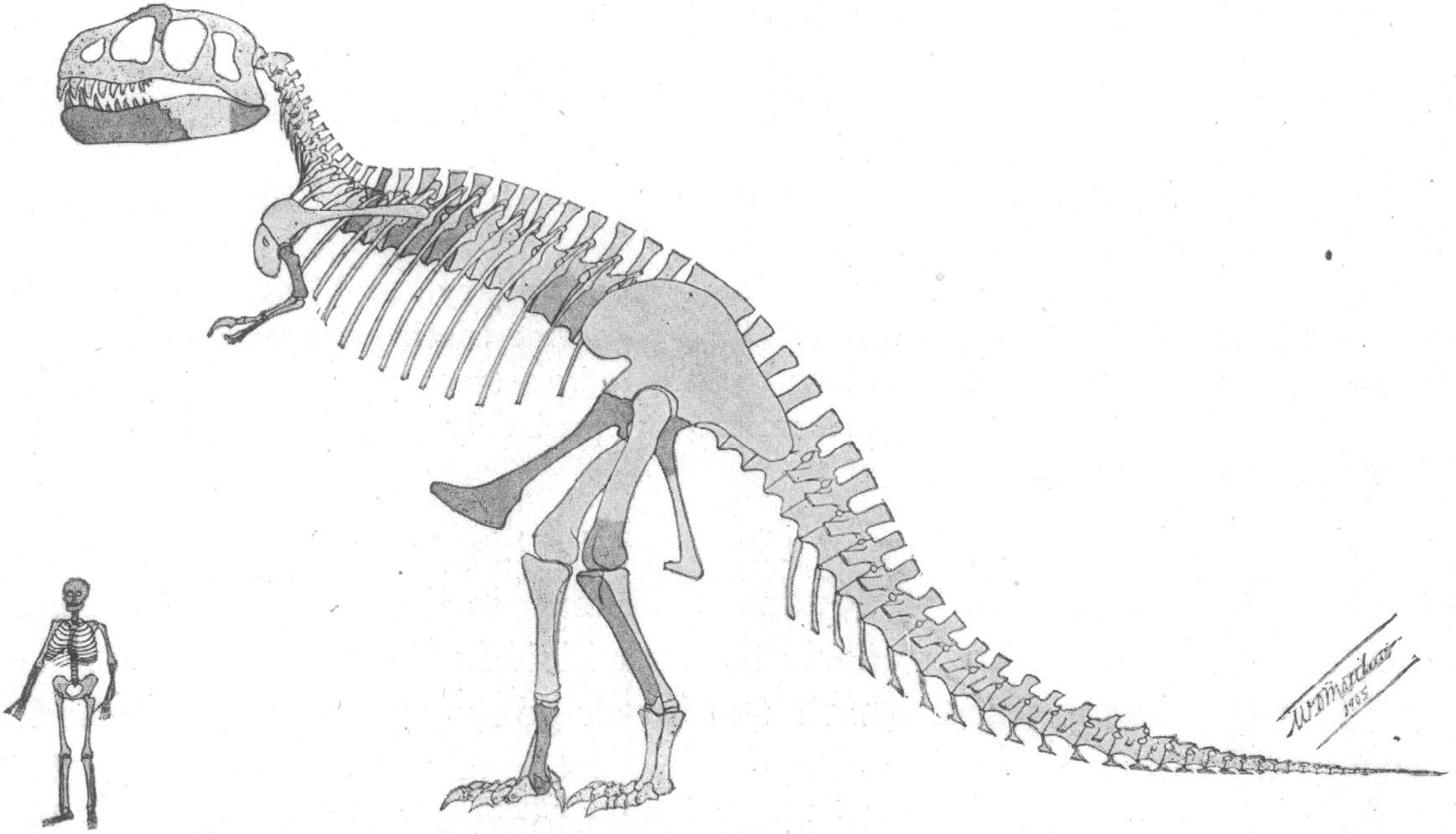 According to South Dakota researchers, the predator status of Tyrannosaurus rex can no longer be questioned. After finding one of its teeth embedded in the healed spine of a Hadrosaurus, paleontologists now believe T rex was a fearsome hunter, not an carrion munching opportunist.
 But, asks the Disease Management Care Blog, how do we really know that that Hadrosaurus wasnt pretending to be dead when the T rex took its bite? Alternatively, the Hadrosaurus could have been sleeping and only looked dead to a slow-witted and lazy T rex.
Dino doubts, says the DMCB, remain.
Such is the level of skepticism that the DMCB is bringing to its reading of the recent CMS press release describing the initial results of the Pioneer ACO program. CMS says "positive" and "promising." The DMCB says "problematic" wonders if, like the T rex dilemma, there isnt an alternative interpretation.
The DMCB explains.
Recall that the Pioneer ACO program is designed to test whether large integrated organizations can be successfully rewarded for reducing health care costs through a program of "shared savings." Under the program, if the savings exceed a minimum threshold, CMS will remit a portion of the upside savings back to the participating organizations.
According to the press release, the health care costs for the 669,000 Medicare beneficiaries cared for by the 32 Pioneer ACO program providers grew only .3% versus .8% for a parallel group of "similar beneficiaries." 13 organizations exceeded the savings threshold, which will lead to Uncle Sam writing checks for $76 million in shared savings.
This front page article in The Wall Street Journal has more detail. It says 18 of the 32 reduced health care costs, which leads the DMCB to conclude that five otherwise "successful" participants did not cross the required savings threshold. Two participants lost money. That, in turn, suggests the remainder, or twelve, broke even.
Details on how each individual institution fared are not readily available. According to WSJ, Bostons Partners Healthcare reduced Medicare claims expense by $14 million. They will be rewarded with a shared savings check of $7 million. Wisconsins Bellin-ThedaCare will get "several million."
Good "win-win" news for the Pioneer organizations, CMS, Uncle Sam and U.S. taxpayers, right? A critical mass (40%) achieved millions in shared savings, which means proof of concept met and that a key part of Obamacare is successful, right?
"Not exactly," says the DMCB.
It figures 100% of the participating organizations had to each invest millions for personnel and other infrastructure to pursue the Medicare savings in the first place. In other words, they were in the red before Pioneer even began. That means that, in addition to the two participating organizations that lost money, the 12 that "broke even" as well as the 5 that did not make threshold also lost millions.
Thats 19 losers or almost 60% of the participating organizations.
In addition, its possible that for some of the 13 "winners" that the shared savings awards wont match their up-front multi-million dollar investment either. Assuming thats true, its possible that as many as two thirds of the Pioneer organizations lost money. No wonder 9 of the participants have signaled a desire to exit the program.
The DMCBs dinosaur analogy may be apt. Given a two out of three likelihood of losing millions in the first year of operations, ACOs may just be too big and complicated to survive in the current health care environment. Nonetheless, the Pioneer program will continue and the DMCB will stay tuned for the Year 2 results.
In the meantime, the DMCB wishes CMS good luck in using these "positive" and "promising" results to expand the program anytime in the near - or distant - future.
Subscribe to:
Posts (Atom)


