Which Diet Works Best
Wednesday, May 21, 2014
The researchers compared the effectiveness of 4 popular diets:
- Atkins (low carbohydrate)
- Ornish (low fat)
- Weight Watchers (calorie restriction)
- Zone (carb/protein/fat balance)
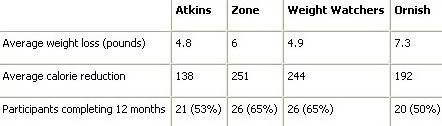
They found all diets produced a modest weight loss, and all improved scores of cardiovascular health (the more weight the subject lost, the lower his cholesterol, C-reactive protein, and insulin levels) - as long as the participant stuck with the diet. The more extreme diets such as Atkins and Ornish had the greatest drop-out rates.
Maria Adams, author of the summary article Ive linked below, included this comparison table:
For a summary of the study:
Atkins, Ornish, Weight Watchers, and Zone Diets: A Comparison
For the study itself (abstract only, subscription required for full article):
Comparison of the Atkins, Ornish, Weight Watchers, and Zone Diets for Weight Loss and Heart Disease Risk Reduction


Which nutritional factors help preserve muscle mass strength and performance in seniors
Thursday, April 24, 2014
Sarcopenia, or the gradual loss of muscle mass, is a common consequence of ageing, and poses a significant risk factor for disability in older adults. As muscle strength plays an important role in the tendency to fall, sarcopenia leads to an increased risk of fractures and other injuries.
The International Osteoporosis Foundation (IOF) Nutrition Working Group has published a new review which identifies nutritional factors that contribute to loss of muscle mass, or conversely, are beneficial to the maintenance of muscle mass. The Group reviewed evidence from worldwide studies on the role of nutrition in sarcopenia, specifically looking at protein, acid–base balance, vitamin D/calcium, and other minor nutrients like B vitamins.
“The most obvious intervention against sarcopenia is exercise in the form of resistance training,” said Professor Jean-Philippe Bonjour, co-author and Professor of Medicine at the Service of Bone Diseases, University of Geneva. “However, adequate nutritional intake and an optimal dietary acid-base balance are also very important elements of any strategy to preserve muscle mass and strength during ageing.”
The review discusses and identifies the following important nutritional factors that have been shown to be beneficial to the maintenance of muscle mass and the treatment and prevention of sarcopenia:
- Protein: Protein intake plays an integral part in muscle health. The authors propose an intake of 1.0–1.2 g/kg of body weight per day as optimal for skeletal muscle and bone health in elderly people without severely impaired renal function.
- Vitamin D: As many studies indicate a role for vitamin D in the development and preservation of muscle mass and function, adequate vitamin D should be ensured through exposure to sunlight and/or supplementation if required. Vitamin D supplementation in seniors, and especially in institutionalized elderly, is recommended for optimal musculoskeletal health.
- Avoiding dietary acid loads: Excess intake of acid-producing nutrients (meat and cereal grains) in combination with low intake of alkalizing fruits and vegetables may have negative effects on musculoskeletal health. Modifying the diet to include more fruits and vegetables is likely to benefit both bones and muscles.
Emerging evidence also suggests that vitamin B12 and/or folic acid play a role in improving muscle function and strength.
As well, the Review discusses non-nutritional interventions such as hormones, and calls for more studies to identify the potential of antioxidants and anti-inflammatory compounds in the prevention of sarcopenia.
Dr. Ambrish Mithal, co-author and Chair and Head of Endocrinology and Diabetes division at Medanta, New Delhi underlined the need for further research in the field. “Strategies to reduce the numbers of falls and fractures within our ageing populations must include measures to prevent sarcopenia. At present, the available evidence suggests that combining resistance training with optimal nutritional status has a synergistic affect in preventing and treating sarcopenia, “ said Mithal.
“We hope that further studies will shed light on other effective ways of preventing and treating this condition.”
Reference:
Impact of nutrition on muscle mass, strength, and performance in older adults. A. Mithal & J.-P. Bonjour & S. Boonen & P. Burckhardt & H. Degens & G. El Hajj Fuleihan & R. Josse & P. Lips & J. Morales Torres & R. Rizzoli & N. Yoshimura & D. A. Wahl & C. Cooper & B. Dawson-Hughes & for the IOF CSA Nutrition Working Group. Osteoporos Int DOI 10.1007/s00198-012-2236-y
http://link.springer.com/article/10.1007/s00198-012-2236-y
Protein or carbohydrate which is the most powerful way to diet
Monday, March 24, 2014
How protein helps in weight loss:
Protein diet not only makes you feel full for a long time. Protein can increase your metabolism and burn calories in the digestion process. Levels of protein consumption depends on a persons weight and exercise intensity.
Your diet should include:
- Lean meats
- Egg plant
- Nuts
- Seeds
- Nuts
- Milk
Negative effects of a high protein diet:
1) Increase the risk of osteoporosis
2) The risk of kidney problems
3) Damage to your internal organs
4) Lack of nutrition
The health benefits of protein:
1) Build muscle, bone and blood cells
2) Reduce deficiency anemia
3) Improving the nervous system
4) Helps to release energy
How carbohydrates help in weight loss:
Carbs help you lose weight by keeping you full, burn calories, you are full of energy and you reduce cholesterol. Carbohydrates can also reduce stress. And maintain your weight loss efforts in the long run.
Your diet should include:
- Bananas
- Oats
- Potatoes
- Barley
- Whole wheat
- Brown rice
- Lentils
No negative effects of carb or low carb:
1) Constipation
2) Fatigue
3) The body is weak
4) Dizziness
Other health benefits of carbohydrate:
1) Carbohydrates boost mood
2) Preventing weight gain
3) Carbohydrates are heart-healthy foods
4) Improve memory
After knowing the positive and negative effects of the two types of diets before, which one do you choose?


