Showing posts with label prevents. Show all posts
Showing posts with label prevents. Show all posts
High Fiber Diet Prevents Prostate Cancer Progression
Monday, May 12, 2014
A high-fiber diet may have the clinical potential to control the progression of prostate cancer in patients diagnosed in early stages of the disease.
The rate of prostate cancer occurrence in Asian cultures is similar to the rate in Western cultures, but in the West, prostate cancer tends to progress, whereas in Asian cultures it does not. Why? A University of Colorado Cancer Center study published in the January 2013 issue of the journal Cancer Prevention Research shows that the answer may be a high-fiber diet.
The study compared mice fed with of inositol hexaphosphate (IP6), a major component of high-fiber diets, to control mice that were not. Then the study used MRI to monitor the progression of prostate cancer in these models.
"The studys results were really rather profound. We saw dramatically reduced tumor volumes, primarily due to the anti-angiogenic effects of IP6," says Komal Raina, PhD, research instructor at the Skaggs School of Pharmacy and Pharmaceutical Sciences, working in the lab of CU Cancer Center investigator and School of Pharmacy faculty member, Rajesh Agarwal, PhD.
Basically, feeding with the active ingredient of a high-fiber diet kept prostate tumors from making the new blood vessels they needed to supply themselves with energy. Without this energy, prostate cancer couldnt grow. Likewise, treatment with IP6 slowed the rate at which prostate cancers metabolized glucose.
Possible mechanisms for the effect of IP6 against metabolism include a reduction in a protein called GLUT-4, which is instrumental in transporting glucose.
"Researchers have long been looking for genetic variations between Asian and Western peoples that could explain the difference in prostate cancer progression rates, but now it seems as if the difference may not be genetic but dietary. Asian cultures get IP6 whereas Western cultures generally do not," Raina says.


Curcumin Prevents Cancer Heart Disease Alzheimer’s Disease and Obesity
Friday, March 21, 2014

Curcumin is one of a small number of super nutrients which has the demonstrated ability to dramatically lower the risk from cancer, heart disease and Alzheimer`s disease while influencing the storage of body fat by altering lipid metabolism. Curcumin is a natural polyphenol which is extracted from curry powder and has powerful antioxidant and anti-inflammatory properties. You can experience a multitude of health benefits by eating the spice in its natural form or by supplementing with a concentrated extract of active curcuminoids.
Curcumin in the Fight against Cancer

Curcumin Prevents Clogged Arteries While Lowering Heart Attack Risk

Curcumin Shown to Prevent Alzheimer’s Disease
Researchers have noted that the incidence of Alzheimer`s disease among the elderly Indian population where curry is regularly eaten with most meals is significantly lower than their western counterparts. Curcumin exhibits strong antioxidant properties and is known to cross the crucial blood-brain barrier where it acts to limit the accumulation of damaging plaque and also reduces the neuronal response to existing plaque tangles. By inhibiting amyloid plaque formation at the synapse where electrical impulses connect different parts of the brain, memory is preserved and symptoms of this devastating disease are minimized or eliminated.
Curcumin Assists Weight Management Goals
Curcumin helps to prevent obesity and assists natural weight loss due to its ability to inhibit the formation of new blood vessels which are required to form new baby fat cells. This polyphenol also influences how the body regulates triglycerides (blood fats) which are then stored as body fat or burned as a source of energy. A study published in The Journal of Nutrition details how curcumin prevents excessive accumulation of triglycerides in the blood and shifts our metabolism away from fat storage. The study authors conclude that curcumin ‘may have a potential benefit in preventing obesity.’
Very few natural nutrients exhibit such a wide array of health benefits as curcumin. Extensive research confirms the powerful antioxidant and anti-inflammatory effects which provide protection against many of today`s most devastating illnesses. Whether you choose to add curry to your diet or supplement with a concentrated form of this amazing spice, you can be assured of lowered disease risk and improved quality of life.
Coenzyme Q10 Prevents and Treats Heart Disease by Attacking Multiple Metabolic Pathways
Wednesday, March 12, 2014
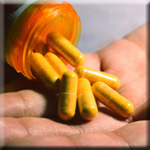
Coenzyme Q 10 (CoQ10) is well known as a critical compound required by the body to facilitate normal breakdown of adenosine triphosphate (ATP) within each cell into energy we need for metabolism and life itself. It should come as no surprise that this vital natural enzyme complex may hold the key to prevention and reversal of many potentially life-threatening forms of cardiovascular disease.
Several research studiesreveal that CoQ10 works at a cellular level to protect delicate DNA and reduce dangerous inflammatory levels that are closely linked to heart disease. Further evidence exists to explain how the coenzyme improves blood flow to the heart muscle and enhances vascular elasticity to prevent arterial stiffening, commonly erred to as ‘hardening of the arteries’. Scientists have also found that CoQ10 lowers unhealthy levels of oxidized LDL cholesterol by modulating gene signals involved with cholesterol metabolism.
Coenzyme Q10 Lowers DNA Stress and Inflammation to Improve Heart Health

Researchers from Spain publishing in the journal Age found that supplementing CoQ10 while consuming a healthy Mediterranean diet lowered markers of DNA damage within cells and reduced systemic inflammation. The net effect of this human study was a dramatic reduction in biological markers associated with cardiovascular disease.
The study was conducted by placing twenty participants, aged 65 or older, on three different diets for four weeks each: a Western diet, a Mediterranean diet, or a Mediterranean diet with 200 mg of Q10. The group taking the Mediterranean diet experiences moderately lowered levels of DNA stress, largely due to the anti-inflammatory effect of a diet high in monounsaturated fats in the form of olive oil.
The group that included CoQ10 had a marked decline in all metabolic markers known to promote DNA damage and a decline in cardiovascular health. The study authors concluded that the Mediterranean diet plus CoQ10 “improves oxidative DNA damage in elderly subjects and reduces processes of cellular oxidation. Our results suggest a starting point for the prevention of oxidative processes associated with aging.”
CoQ10 Increases Arterial Elasticity by Improving Cellular Energy

A Chinese research team published in the journal Atherosclerosis examined the effect of CoQ10 on the delicate endothelial lining of the coronary arteries. Endothelial dysfunction is known to be a progenitor to heart disease and heart attack. The scientists demonstrated that individuals placed on CoQ10 (300 mg per day for 12 weeks) showed marked improvement in arterial stiffness due to increased blood flow and improved cellular energy within their endothelial cells.
Scientific evidence is mounting to support coenzyme Q10 as a powerful tool when used to improve cellular energy levels and fight the advances of cardiovascular disease. Most new research is now evolving around the reduced form of the coenzyme known as ubiquinol. Ubiquinol has been found to be up to eight times more potent than the standard CoQ10 and last much longer in blood circulation. It is quite apparent that most health-minded individuals should supplement with CoQ10 (50 to 300 mg per day depending on cardiovascular health) to improve energy levels and improve vascular circulation to the heart.
Subscribe to:
Posts (Atom)


.jpg)


.jpg)
