Showing posts with label increase. Show all posts
Showing posts with label increase. Show all posts
Red Meat And High Fat Dairy May Increase Heart Disease Risk
Friday, May 16, 2014
 Where do you get your protein? If its from red meat (steak and pork), processed meat (bacon and salami), and high-fat dairy foods, it may be increasing your risk of fatal and non-fatal heart attack.
That was the finding of a recent assessment of the very large Nurses Health Study which followed over 84,000 women for 26 years.1
It found:
- Higher intakes of red meat, red meat excluding processed meat, and high-fat dairy were significantly associated with elevated risk of coronary heart disease (CHD).
- Higher intakes of poultry, fish, and nuts were significantly associated with lower risk.
"These data suggest that high red meat intake increases risk of CHD."The study was unique in that it investigated how substituting one source of protein for another, e.g. nuts, fish, or poultry for red meat, affects heart disease risk. It found, for example, that substituting one serving of nuts for one serving of red meat reduced CHD risk by 30%; substituting a serving of fish for red meat reduced it by 24%.
Although the study was conducted on women, the researchers say men are likely to benefit from the findings as well.
Lead author of the study, Adam Bernstein:
"Our research adds to the growing and convincing body of evidence that red meat intake should be minimized or excluded from the diet in order to maintain cardiovascular health."
1Major Dietary Protein Sources And Risk Of Coronary Heart Disease In Women, Circulation, August 2010
Shifting Protein Sources Away From Red Meats May Reduce Risk Of Heart Disease In Women, Harvard School of Public Health, Press Release, August 2010


Study Explains How Lifestyle Factors and Mindset Increase Dementia Risk
Thursday, May 15, 2014

Loss of cognitive function, most commonly associated with Alzheimer’s disease instills feelings of fear and insecurity more than any other chronic condition, including a cancer diagnosis. Researchers publishing in the journalNeurology, the medical journal of the American Academy of Neurology, found that people who rate their health as poor or fair appear to be significantly more likely to develop dementia later in life. Is there really a mind-link association between how we feel about our overall health and initiation of this dreaded disease?
Researchers point to the fact that many chronic illnesses such as heart disease and dementia develop over the course of 20 or 30 years and our perceptions may actually influence how these conditions progress. A positive spirit and happy outlook on life may just help you avoid a host of deadly diseases, including dementia.
Seniors Effectively Able to Predict Risk of Dementia Later in Life

People may possess a much more powerful diagnostic tool than the plethora of diagnostic tests, dyes and pharmaceuticals used by most allopathic physicians and diagnosticians. Dr. Christophe Tzourio, director of Neuroepidemiology at the University of Bordeaux in France explained“Having people rate their own health may be a simple tool for doctors to determine a persons risk of dementia, especially for people with no symptoms or memory problems”. His research results show that health and disease can be assessed more effectively by an individual from within, as opposed to managing a set of medical results and tests.
A research study was designed with 8,169 people, aged 65 years or older who were followed for a period of seven years. During the study each participant was asked to rate their own health, and 618 people developed dementia. The risk of dementia was 70 percent higher in people who rated their health as poor and 34 percent higher in people who rated their health as fair compared to those who rated their health as good.
Leading an Active Life with Many Friends and Family Members Lowers Dementia Risk

The study also found a higher correlation between ones health assessment and developing dementia for those individuals who did not have any memory problems or other issues with thinking skills. Those with no visible signs of cognitive decline were nearly twice as likely to develop dementia as those who rated their health as good. Researchers found that having a large social network along with plenty of social activities are associated with a decreased risk of dementia.
Dr. Tzourio concluded"… its possible that rating ones health as poor might be associated with behaviors that limit social interaction and in turn accelerate the dementia process." A wealth of scientific research studies have found that lifestyle factors including close bonds with family, friends and social groups are important to lowering dementia risk in the elderly population.
Sweetened Beverages Increase Heart Disease Risk in Men by Twenty Percent
Tuesday, May 13, 2014

Researchers publishing the results of a study in the prestigious American Heart Association journalCirculation have found that men who drank a 12-ounce sugar-sweetened beverage a day had a 20 percent higher risk of heart disease compared to men who didnt drink any sugar-sweetened drinks. This should come as no surprise as sweetened (and calorie-free) beverages have come under scrutiny for contributing to increased risk of potentially fatal conditions such as diabetes, dementia, stroke, liver necrosis (fatty liver), overweight and obesity.
Excess glucose in the bloodstream is easily converted to triglycerides by the liver and promptly stored as fat, typically around the waistline for use during leaner times. This survival mechanism worked very well for our ancestors of several hundred generations past, but times of plenty now exist regularly, several times each day for most.

Sugar-Sweetened Beverages Boost Blood Fats to Significantly Increase Heart Disease Risk
Humans were never metabolically wired to consume the large amount of nutrient-poor calories as we do today, and it is leading to an early grave for millions. The bottom line is simple: eliminate calories from sugar-sweetened beverages and lower your risk of heart disease by one-fifth.
Humans were never metabolically wired to consume the large amount of nutrient-poor calories as we do today, and it is leading to an early grave for millions. The bottom line is simple: eliminate calories from sugar-sweetened beverages and lower your risk of heart disease by one-fifth.
Researchers reviewed the beverage consuming habits of 42,883 men in the Health Professionals Follow-Up Study, and after controlling for risk factors including smoking, physical inactivity, alcohol use and family history of heart disease, they determined that daily consumption of sugar-sweetened beverages resulted in a twenty percent increase in cardiovascular disease. Scientists found that less frequent consumption, on the order of twice weekly to twice monthly did not increase risk.

Eliminate Sugary Drinks in Favor of Water, Green and White Teas
Lead study author, Dr. Frank Hu and his team from the Harvard School of Public Health measured blood markers for cardiovascular disease in the group such as C-reactive protein (CRP), potentially damaging blood fats including triglycerides and oxidized LDL cholesterol as well as good lipids known as high-density lipoproteins (HDL). They found that compared to a group of non-sweetened beverage drinkers, the test participants had significantly elevated levels of triglyceride, CRP and lower HDL levels.
Lead study author, Dr. Frank Hu and his team from the Harvard School of Public Health measured blood markers for cardiovascular disease in the group such as C-reactive protein (CRP), potentially damaging blood fats including triglycerides and oxidized LDL cholesterol as well as good lipids known as high-density lipoproteins (HDL). They found that compared to a group of non-sweetened beverage drinkers, the test participants had significantly elevated levels of triglyceride, CRP and lower HDL levels.
These findings are to be expected with excess consumption of glucose. Excess sugar in the blood, when not required for energy to fuel metabolic processes is rapidly converted to free circulating blood fats and then stored as body fat. High levels of LDL cholesterol become oxidized (making the lipoprotein molecules sticky) where they are easily combined with calcium and other materials in the blood and are incorporated into atherosclerotic plaque. Most health-minded people will eliminate sugar-sweetened beverages entirely from their diet, as well as dramatically reduce all sources of quick-releasing ined carbohydrates to dramatically lower their risk of heart disease.
Low vitamin B12 levels increase the risk of fractures in older men
Monday, April 21, 2014
Older men who have low levels of vitamin B12 have a higher risk of having fractures. These are the findings of researchers at the Sahlgrenska Academy as a part of an international study of a total of 1000 older men.
Osteoporosis is one of the worlds most widespread diseases, and intensive research is under way worldwide to identify its causes and to be able to prevent fractures.
In an extensive study, researchers at the Sahlgrenska Academy at the University of Gothenburg can now show that low levels of vitamin B12 in the blood increases the risk of fractures in older men.
International research project
This study is a part of an international research project initiated by the National Institutes of Health (NIH) in the US and comprises 11,000 men in total. In their part of the study, the Gothenburg researchers studied 1,000 Swedish men, MrOS Sweden, with an average age of 75, and used various methods to analyze the blood concentrations of the B vitamins B12 and folate, which are found in our food naturally.
Higher fracture risk
The results show that the risk of suffering a fracture six years later was higher among men who had low B12 levels at the beginning of the study than men with normal B12 levels. In the quartile with the lowest B12 content, the risk was elevated by approximately 70 percent compared with the others. The risk increase pertained primarily to fractures in the lumbar region, where the risk increase was up to 120 percent.
"The higher risk also remains when we take other risk factors for fractures into consideration, such as age, smoking, BMI, BMD (bone mineral density), previous fractures, physical activity, the D-vitamin content in the blood and calcium intake," says Catharina Lewerin, researcher at the Sahlgrenska Academy.
Does this mean that older men can prevent fractures by eating more vitamin B12?
"It has not been scientifically established, but such studies are under way, including one large Dutch study where older individuals over the age of 65 are treated with both vitamin B12, folic acid and vitamin D to investigate the occurrence of fractures.
"Right now, there is no reason to eat more vitamin B12, but rather treatment shall only be applied in confirmed cases of deficiencies and in some cases to prevent deficiencies. For anyone who wants to strengthen their bones and prevent fractures, physical activity 30 minutes a day and quitting smoking is good self care," says Catharina Lewerin.
New method
In this study, the researchers used a relatively new method called holotranscobalamin, which measures the amount of vitamin that is taken up in the cells, which is considered to be a more sensitive test for B12 deficiency.
The article was published online in Osteoporosis International.
Better hygiene in wealthy nations may increase Alzheimer’s risk
People living in industrialised countries may be more likely to develop Alzheimer’s due to greatly reduced contact with bacteria, viruses and other microorganisms - which can lead to problems with immune development and increased risk of dementia, suggests a new study.
There are important implications for forecasting future global disease burden, especially in developing countries as they increase in sanitation
New research has found a “very significant” relationship between a nation’s wealth and hygiene and the Alzheimer’s “burden” on its population. High-income, highly industrialised countries with large urban areas and better hygiene exhibit much higher rates of Alzheimer’s.
Using ‘age-standardised’ data - which predict Alzheimer’s rates if all countries had the same population birth rate, life expectancy and age structure - the study found strong correlations between national sanitation levels and Alzheimer’s.
This latest study adds further weight to the “hygiene hypothesis” in relation to Alzheimer’s: that sanitised environments in developed nations result in far less exposure to a diverse range of bacteria, viruses and other microorganisms - which might actually cause the immune system to develop poorly, exposing the brain to the inflammation associated with Alzheimer’s disease, say the researchers.
“The ‘hygiene hypothesis’, which suggests a relationship between cleaner environments and a higher risk of certain allergies and autoimmune diseases, is well- established. We believe we can now add Alzheimer’s to this list of diseases,” said Dr Molly Fox, lead author of the study and Gates Cambridge Alumna, who conducted the research at Cambridge’s Biological Anthropology division.
“There are important implications for forecasting future global disease burden, especially in developing countries as they increase in sanitation.”
The researchers tested whether “pathogen prevalence” can explain the levels of variation in Alzheimer’s rates across 192 countries.
After adjusting for differences in population age structures, the study found that countries with higher levels of sanitation had higher rates of Alzheimer’s. For example, countries where all people have access to clean drinking water, such as the UK and France, have 9% higher Alzheimer’s rates than countries where less than half have access, such as Kenya and Cambodia.
Countries that have much lower rates of infectious disease, such as Switzerland and Iceland, have 12% higher rates of Alzheimer’s compared with countries with high rates of infectious disease, such as China and Ghana.
More urbanised countries exhibited higher rates of Alzheimer’s, irrespective of life expectancy. Countries where more than three-quarters of the population are located in urban areas, such as the UK and Australia, exhibit 10% higher rates of Alzheimer’s compared to countries where less than one-tenth of people inhabit urban areas, such as Bangladesh and Nepal.
Differences in levels of sanitation, infectious disease and urbanisation accounted respectively for 33%, 36% and 28% of the discrepancy in Alzheimer’s rates between countries.
Researchers said that, although these trends had “overlapping effects”, they are a good indication of a country’s degree of hygiene which, when combined, account for 42.5% of the “variation” in countries’ Alzheimer’s disease rates - showing that countries with greater levels of hygiene have much higher Alzheimer’s rates regardless of general life expectancy.
Previous research has shown that in the developed world, dementia rates doubled every 5.8 years compared with 6.7 years in low income, developing countries; and that Alzheimer’s prevalence in Latin America, China and India are all lower than in Europe, and, within those regions, lower in rural compared with urban settings - supporting the new study’s findings.
The results of the study are newly published by the journal Evolution, Medicine and Public Health, with these latest results coming hard on the heels of previous research led by Fox on the benefits of breastfeeding for Alzheimer’s prevention.
“Exposure to microorganisms is critical for the regulation of the immune system,” write the researchers, who say that say that - since increasing global urbanisation beginning at the turn of the 19th century - the populations of many of the world’s wealthier nations have increasingly very little exposure to the so-called ‘friendly’ microbes which “stimulate” the immune system - due to “diminishing contact with animals, faeces and soil.”
Aspects of modern life - antibiotics, sanitation, clean drinking water, paved roads and so on - lead to lower rates of exposure to these microorganisms that have been “omnipresent” for the “majority of human history”, they say.
This lack of microbe and bacterial contact can lead to insufficient development of the white blood cells that defend the body against infection, particularly those called T-cells - the foot soldiers of the immune system that attack foreign invaders in the bloodstream.
Deficiency of anti-inflammatory (“regulatory”) T-cells has links to the types of inflammation commonly found in the brain of those suffering with Alzheimer’s disease, and the researchers’ proposal that Alzheimer’s risk is linked to the general hygiene levels of a nation’s population is reinforced by their analysis of global Alzheimer’s rates.
“The increase in adult life expectancy and Alzheimer’s prevalence in developing countries is perhaps one of the greatest challenges of our time. Today, more than 50% of people with Alzheimer’s live in the developing world, and by 2025 it is expected that this figure will rise to more than 70%,” said Fox.
“A better understanding of how environmental sanitation influences Alzheimer’s risk could open up avenues for both lifestyle and pharmaceutical strategies to limit Alzheimer’s prevalence. An awareness of this by-product of increasing wealth and development could encourage the innovation of new strategies to protect vulnerable populations from Alzheimer’s.”
While childhood - when the immune system is developing - is typically considered critical to the ‘hygiene hypothesis’, the researchers say that regulatory T-cell numbers peak at various points in a person’s life - adolescence and middle age for example - and that microorganism exposure across a lifetime may be related to Alzheimer’s risk, citing previous research showing fluctuations in Alzheimer’s risk in migrants.
The team used the disability-adjusted life year (DALY) rates to calculate the incidence of Alzheimer’s across the countries studied. The DALY measurement is the sum of years lost due to premature mortality combined with years spent in disability – the World Health Organisation (WHO) says that one DALY can be thought of as “one lost year of ‘healthy’ life”.
The researchers say this method is a much better measure than death rates as it “omits the effects of differential mortality rates” between developed and developing countries. The study was based on the WHO’s ‘Global Burden of Disease’ report, which presents world dementia data for 2004.
Age-standardised data
The process of age-standardisation presents a “single summary rate that lects the number of events that would have been expected if the populations being compared had had identical age distribution” (WHO 2001)
The age-standardised data is calculated by adjusting the crude data for 5-year age groups by age-weights lecting the age-distribution of the standard population. In the version of the WHO’s Global Burden of Disease report we utilised, the terminal age category has been extended from the previous 85+ to 100+, which allows for better adjustment for differences in the proportion of population in older strata.
The age-adjusted and disability-adjusted life year (DALY) rates are calculated by “adjusting the crude estimates to an artificial population structure, the WHO Standard Population, that closely lects the age and sex structure of most low and middle income countries” (WHO 2013).
The effort to construct a standard population for comparing data across populations with varied age-structures began in the 1840s, and progressed to an international scale in 1960 and was then adopted by the WHO. Statisticians have been researching and improving this process for the past five decades.
The new WHO World Standard was developed in 2000 to best lect projections of world age-structures for the period 2000-2025. This new standard is based on the UN Population Division’s assessments every two years and future projections for every five years of each country’s population age-structure. This standardised procedure is widely accepted across the world, and is the basis for all relevant WHO-sponsored analyses.
- See more at: http://www.cam.ac.uk/research/news/better-hygiene-in-wealthy-nations-may-increase-alzheimers-risk#sthash.TsOoq3KM.dpuf
Beware anemia may increase the risk of brain disease!
Wednesday, April 16, 2014
Beware, anemia may increase the risk of brain disease! - Seniors who experience symptoms of anemia or anemia are known to have higher risk of developing dementia, according to new research. Dementia is a brain disorder that makes sufferers experiencing functional decline and memory.
"We found an increased risk of dementia by 60 percent in the elderly with anemia. Upon calculating other factors such as demographics, other diseases, and so on, the risk still remains high at 40-50 percent," said lead researcher Dr. Kristine Yaffe, of the University of California, as reported by U.S. News.
Given the number of adults and seniors who have anemia, Yaffe suggested that more vigilant about the possibility of dementia in the elderly. Even so, a study conducted on 2,500 women and men aged 70 years showed no evidence that anemia causes dementia.
Yaffe explained that more research needs to be done to determine whether anemia and dementia have a causal relationship. Logically, the red blood cells responsible for carrying oxygen throughout the body. People who are anemic deficiency of red blood cells, so lack of oxygen flow to the brain. This could be related to the emergence of dementia.
Anemia can also be an indication of poor overall health. Cause of anemia is iron deficiency and red blood cells. Diseases such as cancer, renal, or other chronic diseases can cause anemia.
"We found an increased risk of dementia by 60 percent in the elderly with anemia. Upon calculating other factors such as demographics, other diseases, and so on, the risk still remains high at 40-50 percent," said lead researcher Dr. Kristine Yaffe, of the University of California, as reported by U.S. News.
Given the number of adults and seniors who have anemia, Yaffe suggested that more vigilant about the possibility of dementia in the elderly. Even so, a study conducted on 2,500 women and men aged 70 years showed no evidence that anemia causes dementia.
Yaffe explained that more research needs to be done to determine whether anemia and dementia have a causal relationship. Logically, the red blood cells responsible for carrying oxygen throughout the body. People who are anemic deficiency of red blood cells, so lack of oxygen flow to the brain. This could be related to the emergence of dementia.
Anemia can also be an indication of poor overall health. Cause of anemia is iron deficiency and red blood cells. Diseases such as cancer, renal, or other chronic diseases can cause anemia.
Cirrhosis often naturally increase risk of throat cancer
Monday, March 31, 2014
Cirrhosis often naturally increase risk of throat cancer - People who experience frequent heartburn pirosis or likely to have throat cancer risk and higher vocal cords, even if they do not smoke or drink alcohol, according to new research.
Pirosis or heartburn is a burning sensation that often is felt in the abdomen, chest, and can continue to spread down to the neck. Interestingly, some kind of antacid like Prilosec, Nexium, and Prevacid are known to prevent this type of cancer.
"There is some controversy over whether heartburn associated with risk of cancer of the larynx or pharynx. We found that heartburn can indeed increase the risk of throat cancer. There are at least 78 percent of cancer-related increase in people who are experiencing severe heartburn," said lead researcher Scott Langevin of Brown University in Providence, RI
These results were found after their researchers compared 600 patients with cancer of the throat and vocal cords with more than 1,300 people with no history of having cancer. All patients were asked about their heartburn naturally, smoking and alcohol drinking, and family history of cancer.
In addition, because of head and neck cancer is usually caused by HPV (human papillomavirus) researchers tested all participants with the virus antigen.
The result, researchers found that participants who were not heavy smokers and alcohol drinkers, but often experience heartburn have an increased risk of throat cancer by 78 percent, as reported by U.S. News.
Researchers also found that taking antacid, cancer risk can be decreased to 41 percent. Even so researchers do not yet know the performance of antacid to prevent and reduce the risk of throat cancer. They argue that more research should be done regarding the effect of antacid on throat cancer.
Pirosis or heartburn is a burning sensation that often is felt in the abdomen, chest, and can continue to spread down to the neck. Interestingly, some kind of antacid like Prilosec, Nexium, and Prevacid are known to prevent this type of cancer.
"There is some controversy over whether heartburn associated with risk of cancer of the larynx or pharynx. We found that heartburn can indeed increase the risk of throat cancer. There are at least 78 percent of cancer-related increase in people who are experiencing severe heartburn," said lead researcher Scott Langevin of Brown University in Providence, RI
These results were found after their researchers compared 600 patients with cancer of the throat and vocal cords with more than 1,300 people with no history of having cancer. All patients were asked about their heartburn naturally, smoking and alcohol drinking, and family history of cancer.
In addition, because of head and neck cancer is usually caused by HPV (human papillomavirus) researchers tested all participants with the virus antigen.
The result, researchers found that participants who were not heavy smokers and alcohol drinkers, but often experience heartburn have an increased risk of throat cancer by 78 percent, as reported by U.S. News.
Researchers also found that taking antacid, cancer risk can be decreased to 41 percent. Even so researchers do not yet know the performance of antacid to prevent and reduce the risk of throat cancer. They argue that more research should be done regarding the effect of antacid on throat cancer.
Babies are Born with Extreme Weight Increase Risk of Autism
Saturday, March 29, 2014
Babies are Born with Extreme Weight Increase Risk of Autism - Autism in children is often blamed due to improper diet, smoking or consumption of certain drugs performed during pregnancy. But a new study reveals if extreme birth weight may also be associated with an increased risk of autism in children.
After observing the data of 40,000 children in Sweden, researchers found infants with a birth weight greater than 9.9 pounds or less than 5.5 pounds are more likely to develop autism than normal birth weight infants.
Even researchers can ascertain specifically if the baby is born with a weight less than the average risk of autism by 63 percent and infant birth weight above average risk by 60 percent.
However, the link between birth weight with risk of autism is regardless of whether the baby is born prematurely or exceed the normal delivery date or not.
The new study just published in the American Journal of Psychiatry is believed to be the first successful study found a link between birth weight and risk of autism. The study also ensure previous findings stating that low birth weight babies are more likely to develop autism.
"We think that the increased risk is closely related to the abnormal growth of the extremes in the fetus as well as showing the existence of errors during the development of the fetus, especially with placental function her," said lead researcher Kathryn Abel, a professor of the Center for Womens Mental Health and the Institute of Brain, Behavior and Mental Health at the University of Manchester, UK.
"In fact, any factor that may encourage the development of abnormalities and fetal growth also tends to affect the brain development of the baby. Risk was also seen higher in babies who grow poorly and remain in utero until the pregnancy reaches 40 weeks of age. Could so this is because these babies are the longest exposure to unhealthy conditions in the womb, "he continued.
Although this study found a link between birth weight that is too high or too low with the risk of autism, but researchers emphasized the absence of a causal relationship between them.
"For the present we need to research more about the growth of the fetus, placenta how to control it and how they affect the babys brain development. Keys only answer this research is on the condition of the mother and fetus healthy growth," concluded Abel as WebMD reported.
After observing the data of 40,000 children in Sweden, researchers found infants with a birth weight greater than 9.9 pounds or less than 5.5 pounds are more likely to develop autism than normal birth weight infants.
Even researchers can ascertain specifically if the baby is born with a weight less than the average risk of autism by 63 percent and infant birth weight above average risk by 60 percent.
However, the link between birth weight with risk of autism is regardless of whether the baby is born prematurely or exceed the normal delivery date or not.
The new study just published in the American Journal of Psychiatry is believed to be the first successful study found a link between birth weight and risk of autism. The study also ensure previous findings stating that low birth weight babies are more likely to develop autism.
"We think that the increased risk is closely related to the abnormal growth of the extremes in the fetus as well as showing the existence of errors during the development of the fetus, especially with placental function her," said lead researcher Kathryn Abel, a professor of the Center for Womens Mental Health and the Institute of Brain, Behavior and Mental Health at the University of Manchester, UK.
"In fact, any factor that may encourage the development of abnormalities and fetal growth also tends to affect the brain development of the baby. Risk was also seen higher in babies who grow poorly and remain in utero until the pregnancy reaches 40 weeks of age. Could so this is because these babies are the longest exposure to unhealthy conditions in the womb, "he continued.
Although this study found a link between birth weight that is too high or too low with the risk of autism, but researchers emphasized the absence of a causal relationship between them.
"For the present we need to research more about the growth of the fetus, placenta how to control it and how they affect the babys brain development. Keys only answer this research is on the condition of the mother and fetus healthy growth," concluded Abel as WebMD reported.
Reduce weight can increase a womans brain power
Wednesday, March 26, 2014
Reduce weight can increase a womans brain power? - Losing weight is not hany good for your health, but also for brain health and memory. A recent study showed that weight loss can help improve memory power and brain activity in women. This is evident in older women who are overweight.
This result was found by researchers at Umea University in Sweden after the use of MRI to monitor the brain activity of 20 elderly women who are overweight. Scientists found that participants memory skills and brain increased after their diet and lose weight for six months.
Previous research has shown that being overweight can also impair memory and brain power weakens. The more fat that is stored around the hips women, the risk of weakening the power of the brain will be even greater.
"Brain activity is higher after participants lose weight, this suggests that the brain became more active in storing new memories," said lead researcher Andreas Pettersson, as reported by the NY Daily News.
After a diet and lose weight to increase brain activity associated with memory storage. Also reduced brain activity in the part related to memory impairment. This indicates the ability of the brain to store memories is more efficient.
This result was found by researchers at Umea University in Sweden after the use of MRI to monitor the brain activity of 20 elderly women who are overweight. Scientists found that participants memory skills and brain increased after their diet and lose weight for six months.
Previous research has shown that being overweight can also impair memory and brain power weakens. The more fat that is stored around the hips women, the risk of weakening the power of the brain will be even greater.
"Brain activity is higher after participants lose weight, this suggests that the brain became more active in storing new memories," said lead researcher Andreas Pettersson, as reported by the NY Daily News.
After a diet and lose weight to increase brain activity associated with memory storage. Also reduced brain activity in the part related to memory impairment. This indicates the ability of the brain to store memories is more efficient.
Respiratory infections as infants increase the risk of diabetes
Friday, March 21, 2014
Respiratory infections as infants increase the risk of diabetes - Although it seems trivial, but diseases such as mild respiratory infection that occurs when children aged zero to six months may increase a childs risk for developing type 1 diabetes until doubled. If the child is exposed to a respiratory infection at the age of six months to 12 months, the risk will be reduced to 32 percent.
Even so, the researchers stressed that this could be not the same for all children, because this study is only performed on children who have a high risk of diabetes, the child who has had a family history of diabetes.
"In general, the immune system is still in its infancy when the kids were babies. To that end, the immune system is still vulnerable if challenged by the virus that causes the infection," said study author Andreas Beyerlein, from the Institute of Diabetes Research in Munich, as reported by U.S. News.
These results were found after researchers followed 148 children aged under three months. All infants had family members and relatives who have type 1 diabetes. Researchers recorded history of infection and illness experienced by babies what ever suffered by the child until they are three years old.
At the end of the study, scientists found that children exposed to respiratory infection at the age of six months had a risk of developing type 1 diabetes are two times greater than children who did not experience respiratory infections. Beyerlein explained that not only affect the number of infections, but also time and age when exposed to infection.
Furthermore, Beyerlein suggested that parents who have a child at risk of developing type 1 diabetes keep their children from possible respiratory infection in infancy. It is necessary to avoid increasing the risk of children developing diabetes as adults. Researchers will conduct further studies to identify the type of virus that can cause infection and lead to increased risk of diabetes in infants.
Even so, the researchers stressed that this could be not the same for all children, because this study is only performed on children who have a high risk of diabetes, the child who has had a family history of diabetes.
"In general, the immune system is still in its infancy when the kids were babies. To that end, the immune system is still vulnerable if challenged by the virus that causes the infection," said study author Andreas Beyerlein, from the Institute of Diabetes Research in Munich, as reported by U.S. News.
These results were found after researchers followed 148 children aged under three months. All infants had family members and relatives who have type 1 diabetes. Researchers recorded history of infection and illness experienced by babies what ever suffered by the child until they are three years old.
At the end of the study, scientists found that children exposed to respiratory infection at the age of six months had a risk of developing type 1 diabetes are two times greater than children who did not experience respiratory infections. Beyerlein explained that not only affect the number of infections, but also time and age when exposed to infection.
Furthermore, Beyerlein suggested that parents who have a child at risk of developing type 1 diabetes keep their children from possible respiratory infection in infancy. It is necessary to avoid increasing the risk of children developing diabetes as adults. Researchers will conduct further studies to identify the type of virus that can cause infection and lead to increased risk of diabetes in infants.
Watch out fish oils increase the risk of prostate cancer!
Monday, March 17, 2014
Watch out, fish oils increase the risk of prostate cancer! - Everyone knows that fish oil rich in omega-3 good for the brain. Fish oil even believed to reduce the risk of brain diseases such as Alzheimers. But in either benefit that is owned by fish oil, it turns out fish oil can also be dangerous.
Recent research suggests that fish oil rich in omega-3 may increase the risk of prostate cancer. Pira who have high levels of omega-3 at highest risk of up to 71 percent of prostate cancer.
"Fish oil supplements can be harmful to man if taken in high doses," said researcher Theodore Brasky from Ohio State University Medical Center, as reported by NBC News.
Previous research in 2011 also showed that fish oil associated with advanced prostate cancer are dangerous. The research also found that the effects of omega-3 found in fish oil is higher than the fatty acids found in vegetable oils.
Proprietary research Brasky conducted on 934 men with prostate cancer and 1,393 men who did not have cancer. They then grouped based on the level of omega-3 in their blood. Men with levels of omega-3 highest risk 71 percent of prostate cancer. While in general, they have the risk of prostate cancer is 44 percent higher than men with levels of omega-3 the lowest.
Fatty acids found in vegetable oils are known not affect the risk of prostate cancer. Yet researchers still have not discovered how fish oil can cause cancer. Researchers even have taken all the risk factors that influence and found that mercury in fish is not associated with prostate cancer.
By knowing the results of this study seem to men should begin to regulate the consumption of fish and omega-3 supplements. Although omega-3 can reduce the risk of heart disease and diseases of the brain, but if taken in excess can also harm men.
Recent research suggests that fish oil rich in omega-3 may increase the risk of prostate cancer. Pira who have high levels of omega-3 at highest risk of up to 71 percent of prostate cancer.
"Fish oil supplements can be harmful to man if taken in high doses," said researcher Theodore Brasky from Ohio State University Medical Center, as reported by NBC News.
Previous research in 2011 also showed that fish oil associated with advanced prostate cancer are dangerous. The research also found that the effects of omega-3 found in fish oil is higher than the fatty acids found in vegetable oils.
Proprietary research Brasky conducted on 934 men with prostate cancer and 1,393 men who did not have cancer. They then grouped based on the level of omega-3 in their blood. Men with levels of omega-3 highest risk 71 percent of prostate cancer. While in general, they have the risk of prostate cancer is 44 percent higher than men with levels of omega-3 the lowest.
Fatty acids found in vegetable oils are known not affect the risk of prostate cancer. Yet researchers still have not discovered how fish oil can cause cancer. Researchers even have taken all the risk factors that influence and found that mercury in fish is not associated with prostate cancer.
By knowing the results of this study seem to men should begin to regulate the consumption of fish and omega-3 supplements. Although omega-3 can reduce the risk of heart disease and diseases of the brain, but if taken in excess can also harm men.
Increase brain function by doing yoga 20 minutes
Sunday, March 2, 2014
Increase brain function by doing yoga 20 minutes - Yoga exercise not only improve physical fitness, but also can improve brain function and focus. Recent research found that just by doing yoga for 20 minutes, a person can improve his brain function.
It is found scientists at the University of Illinois at Urbana-Champaign after observing 30 people. Measured participants brains using a memory test. As a result, participants who did yoga for 20 minutes are known to be fast and accurate in performing the test compared to those who do jogging or using a treadmill for 20 minutes.
"Yoga is an ancient Indian science and way of life that not only involves physical movement but also keep breathing and meditation," said researcher as reported by the NY Daily News.
By following yoga practice, participants had a better ability to focus their mental, respond to information more quickly, accurately, and be able to learn and remember better than other exercise participants.
The process of breathing makes the mind more calm and prevent bad thoughts to come. In a separate study published last month, researchers also found that doing yoga twice a week can lower blood pressure. In a study led by Dr Debbie Cohen of the University of Pennsylvania was observed 56 men and women for 34 weeks.
It is found scientists at the University of Illinois at Urbana-Champaign after observing 30 people. Measured participants brains using a memory test. As a result, participants who did yoga for 20 minutes are known to be fast and accurate in performing the test compared to those who do jogging or using a treadmill for 20 minutes.
"Yoga is an ancient Indian science and way of life that not only involves physical movement but also keep breathing and meditation," said researcher as reported by the NY Daily News.
By following yoga practice, participants had a better ability to focus their mental, respond to information more quickly, accurately, and be able to learn and remember better than other exercise participants.
The process of breathing makes the mind more calm and prevent bad thoughts to come. In a separate study published last month, researchers also found that doing yoga twice a week can lower blood pressure. In a study led by Dr Debbie Cohen of the University of Pennsylvania was observed 56 men and women for 34 weeks.
Where Did The 2010 Increase In Health Care Costs Come From and Who Is Paying
Friday, February 21, 2014
 Remember the last Health Wonk Review? The Disease Management Care Blog recalls being impressed by the description of the "Health Care Cost Institute," a not-for-profit outfit that was established to store de-identified commercial insurance claims data for research purposes. The participating health insurers are Kaiser, Aetna, UnitedHealthcare and Humana. The database covers 33 million individuals less than age 65 years with employer-sponsored insurance. The DMCB suspects its personal Aetna claims information is in there, somewhere.
The DMCB is more impressed, because the HCCI has just released its first report on 2009 and 2010 health care cost trends. Its full of insights.
To wit:
1) If youve wondered why your 2010 personal health insurance cost so much, its because per capita spending was $4,255. This suggests insurers are not the only problem.
2) Costs in 2010 increased over baseline by 3.3% and was driven by an increase in unit prices (i.e., charges), not by greater utilization or overall mix of services. This suggests providers are charging more for their services.
3) While costs increased, beneficiaries out-of-pocket costs grew at a faster rate. In 2009, they paid 15.6% of their bill, while in 2010, they paid 16.2% - an increase of 3.8%. This suggests that insurers are passing a small but painful amount of the additional 2010 provider charges to the consumer.
The DMCB says bravo to the four insurers for making this information available. This and promised future reports should shed light on health care cost trends.
Image from Wikipedia
Electronic Health Records Not Only Dont Save Money They Increase Health Care Costs
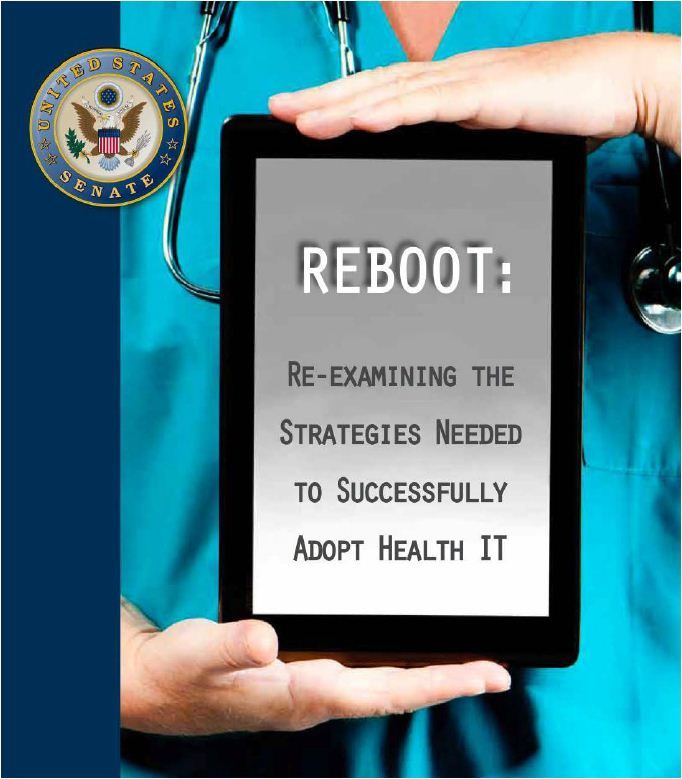 One outcome of the Disease Management Care Blogs authorship of this manuscript that questioned the merits of the electronic health record (EHR) was an enduring belief that these systems didnt save money. The DMCB doubted that it would increase provider efficiency, decrease avoidable complications, reduce duplicative testing or increase quality. Its best educated guess was that the impact on overall health care costs was neutral.
 According to six members of the United States Senate, the DMCB was wrong. They say the EHR may waste money and increase health care costs.
Thats among the conclusions of Senators Thune (R-S.D), Alexander (R-TN), Roberts (R-KAN), Burr (R-NC), Coburn (R-OK) and Enzi (R-WY) in their just-released report "Reboot: Re-examining the Strategies Needed to Successfully Adopt Health IT."
They point to the phenomenon of "code creep," which can result from using EHRs to document more extensive patient histories and physical examinations that, in turn, are used to justify an "upcoded" and theore richer bill with a higher payment. In addition, the Senators point to research that suggests code creep can be linked to an increased ordering of clinical testing and services. Last but not least, they point out that once an incorrect diagnosis enters the EHR, it is practically impossible to delete it, leading subsequent providers to mistakenly believe it is still active.
And to add insult to injury, Reboot describes the response of a "CMS official" who was asked about the above concerns. The answer was that it would take years for the Agency to better understand the phenomenon.
The DMCBs take?
Closer examination of the Senators report shows that much of the cost concerns are based on lay media reporting instead of any peer reviewed studies. That being said, there may be merit to the idea that EHRs can game billing systems. It warrants further research.
Is partisanship playing a role? The DMCB cant deny its a factor, but the same underlying motivation may be underlying CMSs unwillingness to do anything to diminish the Democrats health orm "branding."
Last but not least, the Agencys guess that it would take "years" to examine the concern is overly optimistic. There are outside analytic/research outfits that can do a faster, better and cheaper job of coming up with an answer.
The Senators and the U.S. taxpaying public deserve to know if this is true.
Increase energy with a nap
Tuesday, February 11, 2014
Increase energy with a nap - Many people who experience insomnia afraid to take a nap. In addition, the lack of time off, and afraid of being seen as lazy, make a lot of people tend to avoid naps.
Though napping provide many health benefits. Even a nap can help employees to improve their performance while working. This is because the siesta is known to improve concentration, sharpness of mind, and can increase energy.
But not just any nap can provide many benefits. Here are some things to consider so that you can nap beneficial and healthy, as reported by You Beauty.
1. Napping for 20 minutes is better than a nap too long. Due to nap too long can make you fall asleep in the deepest levels of consciousness and cause nervousness when awakened. Naps that are too long can also interfere with your naps at night. Short nap can help improve the sharpness of thought and resh the body.
2. Make sure the bedding is comfortable, quiet, dark, and cool. If you are at home, go to sleep better in bed. If you are outside the house , find another place where you can get stretched out and comfortable sleeping position. Avoid bright sunlight and the sound is too loud.
3. Napping made before two oclock will not disturb your nights sleep, so the earlier the better done, for example starting grandiose 12 noon until half two in the afternoon. If you have trouble sleeping at night, you should avoid sleeping during the day.
Indeed correct nap can boost your energy and resh the body. But if you are too often feel sleepy during the day, even after a nap, try to see a doctor. It could be that you have an illness that causes prolonged sleepiness during the day, such as stress or depression.
Though napping provide many health benefits. Even a nap can help employees to improve their performance while working. This is because the siesta is known to improve concentration, sharpness of mind, and can increase energy.
But not just any nap can provide many benefits. Here are some things to consider so that you can nap beneficial and healthy, as reported by You Beauty.
1. Napping for 20 minutes is better than a nap too long. Due to nap too long can make you fall asleep in the deepest levels of consciousness and cause nervousness when awakened. Naps that are too long can also interfere with your naps at night. Short nap can help improve the sharpness of thought and resh the body.
2. Make sure the bedding is comfortable, quiet, dark, and cool. If you are at home, go to sleep better in bed. If you are outside the house , find another place where you can get stretched out and comfortable sleeping position. Avoid bright sunlight and the sound is too loud.
3. Napping made before two oclock will not disturb your nights sleep, so the earlier the better done, for example starting grandiose 12 noon until half two in the afternoon. If you have trouble sleeping at night, you should avoid sleeping during the day.
Indeed correct nap can boost your energy and resh the body. But if you are too often feel sleepy during the day, even after a nap, try to see a doctor. It could be that you have an illness that causes prolonged sleepiness during the day, such as stress or depression.
Diet increase the risk of diabetes
Friday, February 7, 2014
Diet increase the risk of diabetes - Diabetes can be caused by an unhealthy lifestyle, one of which is poor diet. Check out more about the diet can increase the risk of diabetes as reported by Mag for Women following.
Skipping breakfast
Breakfast is the meal schedule that should not be missed. Because skipping breakfast can make blood sugar rise dramatically and encourage someone to snacking. As a result, the risk of diabetes increases.
Eating sugary foods
Different types of sweet foods, such as cakes, candy, bread, milk, or whatever, is delicious and tempting meals. However, if the consumption of sweet foods is not limited to, the risk of diabetes is set to rise.
Eating junk food
Besides sweets, junk food consumption is also associated with increased risk of diabetes. Because excess fat and oils interfere with the function of the body in maintaining health.
Indiscriminate snacking
Snacking is actually essential to prevent excessive eating habits. But the unhealthy snacks can make you gain weight. Obesity was eventually trigger type 2 diabetes.
Irregular eating
The ideal meal schedule is three times a day along with two snacks in between meals. But if the irregular eating schedule, especially unhealthy food consumed, the risk of diabetes will increase.
That variety of diet can increase risk of diabetes. Should reduce the unhealthy habits in order to maintain overall health.
Skipping breakfast
Breakfast is the meal schedule that should not be missed. Because skipping breakfast can make blood sugar rise dramatically and encourage someone to snacking. As a result, the risk of diabetes increases.
Eating sugary foods
Different types of sweet foods, such as cakes, candy, bread, milk, or whatever, is delicious and tempting meals. However, if the consumption of sweet foods is not limited to, the risk of diabetes is set to rise.
Eating junk food
Besides sweets, junk food consumption is also associated with increased risk of diabetes. Because excess fat and oils interfere with the function of the body in maintaining health.
Indiscriminate snacking
Snacking is actually essential to prevent excessive eating habits. But the unhealthy snacks can make you gain weight. Obesity was eventually trigger type 2 diabetes.
Irregular eating
The ideal meal schedule is three times a day along with two snacks in between meals. But if the irregular eating schedule, especially unhealthy food consumed, the risk of diabetes will increase.
That variety of diet can increase risk of diabetes. Should reduce the unhealthy habits in order to maintain overall health.
Energy drinks may increase blood pressure disturb heart rhythm
Energy drinks may increase blood pressure and disturb your heart’s natural rhythm, according to research presented at the American Heart Association’s Epidemiology and Prevention/Nutrition, Physical Activity and Metabolism 2013 Scientific Sessions.
Researchers analyzed data from seven previously published observational and interventional studies to determine how consuming energy drinks might impact heart health.
In the first part of the pooled analysis, the researchers examined the QT interval of 93 people who had just consumed one to three cans of energy drinks. They found that the QT interval was
Energy drinks may increase blood pressure and disturb your heart’s natural rhythm, according to research presented at the American Heart Association’s Epidemiology and Prevention/Nutrition, Physical Activity and Metabolism 2013 Scientific Sessions.
Researchers analyzed data from seven previously published observational and interventional studies to determine how consuming energy drinks might impact heart health.
In the first part of the pooled analysis, the researchers examined the QT interval of 93 people who had just consumed one to three cans of energy drinks. They found that the QT interval was 10 milliseconds longer for those who had consumed the energy drinks. The QT interval describes a segment of the heart’s rhythm on an electrocardiogram; when prolonged, it can cause serious irregular heartbeats or sudden cardiac death.
“Doctors are generally concerned if patients experience an additional 30 milliseconds in their QT interval from baseline,” said Sachin A. Shah, Pharm.D., lead author and assistant professor at University of the Pacific in Stockton, Calif.
“QT prolongation is associated with life-threatening arrhythmias. The finding that energy drinks could prolong the QT, in light of the reports of sudden cardiac death, warrants further investigation.” said Ian Riddock, M.D., a co-author and director of preventive cardiology at the David Grant Medical Center, Travis Air Force Base, Calif.
Researchers also found that the systolic blood pressure, the top number in a blood pressure reading, increased an average of 3.5 points in a pool of 132 participants.
“The correlation between energy drinks and increased systolic blood pressure is convincing and concerning, and more studies are needed to assess the impact on the heart rhythm.” Shah said. “Patients with high blood pressures or long QT syndrome should use caution and judgment before consuming an energy drink.
“Since energy drinks also contain caffeine, people who do not normally drink much caffeine might have an exaggerated increase in blood pressure.”
The pooled studies included healthy, young patients 18-45 years old. “People with health concerns or those who are older might have more heart-related side effects from energy drinks”, said Shah.
10 milliseconds longer for those who had consumed the energy drinks. The QT interval describes a segment of the heart’s rhythm on an electrocardiogram; when prolonged, it can cause serious irregular heartbeats or sudden cardiac death.
“Doctors are generally concerned if patients experience an additional 30 milliseconds in their QT interval from baseline,” said Sachin A. Shah, Pharm.D., lead author and assistant professor at University of the Pacific in Stockton, Calif.
“QT prolongation is associated with life-threatening arrhythmias. The finding that energy drinks could prolong the QT, in light of the reports of sudden cardiac death, warrants further investigation.” said Ian Riddock, M.D., a co-author and director of preventive cardiology at the David Grant Medical Center, Travis Air Force Base, Calif.
Researchers also found that the systolic blood pressure, the top number in a blood pressure reading, increased an average of 3.5 points in a pool of 132 participants.
“The correlation between energy drinks and increased systolic blood pressure is convincing and concerning, and more studies are needed to assess the impact on the heart rhythm.” Shah said. “Patients with high blood pressures or long QT syndrome should use caution and judgment before consuming an energy drink.
“Since energy drinks also contain caffeine, people who do not normally drink much caffeine might have an exaggerated increase in blood pressure.”
The pooled studies included healthy, young patients 18-45 years old. “People with health concerns or those who are older might have more heart-related side effects from energy drinks”, said Shah.
Resveratrol and Vitamin D Team Together to Increase Metabolism and Prevent Obesity
Monday, January 27, 2014

Resveratrol has been on the nutritional radar of researchers because of its proven ability to mimic some of the life-extending characteristics provided by calorie restriction as seen in animals and humans alike. Scientists publishing in the journalMolecular Nutrition and Food Researchdraw a solid link between resveratrol, vitamin D and other phytonutrients as agents that may lend a helping hand in the life-threatening battle against overweight and obesity.
Researchers document the newly discovered effect of the nature-derived nutrient on lipid metabolism, and demonstrate that supplementation along with the sunshine vitamin and quercetin synergistically decreases the formation of new fat cells in the body. This finding is significant because it may provide a critical metabolic aid to children and adults that suffer the health-damaging effects of obesity every day. Further evidence exists to hail the trio in the genesis of osteoblasts in bone marrow that may offer a new therapy for osteoporosis that affects the mobility of millions of aging adults.
Resveratrol and Vitamin D Combine to Regulate Genes that Control Body Weight

Scientists studying metabolismin aging adults have found that stem cells differentiate in favor of adipocytes (fat cells) and to the exclusion of osteoblasts (cells necessary for the formation of new bone). This means that as we age, our body has evolved to store fat as an aid to our survival. As metabolism slows, we continue to eat the same number of calories that helps to fill the newly acquired adipocytes. While building and maintaining bone structure may sound like a good idea to us, it is not pre-programmed into our genetic matrix.
Development of new fat cells has evolved as a protective mechanism, although the vast majority of older adults really don`t need this genetic advantage. Researchers found that supplemented resveratrol, vitamin D and quercetin work together to regulate our genes and down regulate the production of fat cells while boosting the production of osteoblasts. Naturally it is important to practice caloric restriction as we age. Many aging adults will be able to utilize this phytonutrient trio to prevent excess weight gain and the debilitating effects of osteoporosis.
Natural Nutrients Help Weight Management Efforts Along with Healthy Diet

In addition to the well documented anti-cancer and longevity benefits previously ascribed to supplemented resveratrol, health-minded individuals will want to include resveratrol and other phytonutrients as an aid in the fight against abdominal fat accumulation. Researchers concluded“It should be noted that combining resveratrol with other phytochemicals may provide an extraordinary potential for preventing obesity and osteoporosis. These phytochemical synergies may make possible novel safe, potent and efficacious therapies.” Be sure to include resveratrol (25 to 50 mg per day) in your dietary arsenal to assist weight loss, boost metabolism and prevent bone loss.
Corn and safflower oil may actually increase risk of heart disease
Tuesday, January 14, 2014
Some vegetable oils that claim to be healthy may actually increase the risk of heart disease, and Health Canada should reconsider cholesterol-lowering claims on food labelling, states an analysis in CMAJ (Canadian Medical Association Journal).
Replacing saturated animal fats with polyunsaturated vegetable oils has become common practice because they can reduce serum cholesterol levels and help prevent heart disease. In 2009, Health Canadas Food Directorate, after reviewing published evidence, approved a request from the food industry to apply a heart disease risk reduction claim on vegetable oils and foods containing these oils. The label suggests "a reduced risk of heart disease by lowering blood cholesterol levels."
"Careful evaluation of recent evidence, however, suggests that allowing a health claim for vegetable oils rich in omega-6 linoleic acid but relatively poor in omega-3 α-linolenic acid may not be warranted," write Drs. Richard Bazinet, Department of Nutritional Sciences, University of Toronto and Michael Chu, Lawson Health Research Institute and Division of Cardiac Surgery, Western University, London, Ontario.
Corn and safflower oil, which are rich in omega-6 linoleic acid but contain almost no omega-3 α-linolenic acid, are not associated with beneficial effects on heart health according to recent evidence. The authors cite a study published earlier this year in February 2013 "… in which the intervention group replaced saturated fat with sources of safflower oil or safflower oil margarine (rich in omega-6 linoleic acid but low in omega-3 α-linoleic acid). They found that the intervention group had serum cholesterol levels that were significantly decreased (by about 8%-13%) relative to baseline and the control group, which is consistent with the health claim." However, rates of death from all causes of cardiovascular disease and coronary artery disease significantly increased in the treatment group.
Violence as a small increase womens risk of thyroid disease
Monday, January 13, 2014
Violence as a small increase womens risk of thyroid disease - Violence perpetrated on children not only a bruised scar lost in a matter of weeks, but also other issues that will be there until they are adults.
A study revealed that women who experienced physical abuse as children have an increased risk of thyroid disease more than women who did not experience physical abuse as a child.
"We found a significant association with thyroid disease in women who have experienced violence in childhood," said lead researcher Esme Fuller Thomson, professor of the University of Toronto;s Faculty of Social Work, as reported by U.S. News .
Thomson explained that first they thought it must be related to stress, smoking, drinking alcohol, and other factors related to violence as a child. But in fact, after accounting for all factors, the researchers found that the risk is still quite large, namely 40 percent in women who have experienced violence as a child.
These results were found after researchers analyzed data from 13,000 adults in Canada. More than 1,000 women are known to experience physical violence before the age of 18 years and about 900 women said they had thyroid disease.
Loriena Yancura, assistant researcher from the University of Hawaii explained that the possibility of it is influenced by the trauma experienced by women due to physical abuse as a child. Trauma then change the way their bodies respond to stress to adults and are associated with thyroid.
A study revealed that women who experienced physical abuse as children have an increased risk of thyroid disease more than women who did not experience physical abuse as a child.
"We found a significant association with thyroid disease in women who have experienced violence in childhood," said lead researcher Esme Fuller Thomson, professor of the University of Toronto;s Faculty of Social Work, as reported by U.S. News .
Thomson explained that first they thought it must be related to stress, smoking, drinking alcohol, and other factors related to violence as a child. But in fact, after accounting for all factors, the researchers found that the risk is still quite large, namely 40 percent in women who have experienced violence as a child.
These results were found after researchers analyzed data from 13,000 adults in Canada. More than 1,000 women are known to experience physical violence before the age of 18 years and about 900 women said they had thyroid disease.
Loriena Yancura, assistant researcher from the University of Hawaii explained that the possibility of it is influenced by the trauma experienced by women due to physical abuse as a child. Trauma then change the way their bodies respond to stress to adults and are associated with thyroid.
Subscribe to:
Posts (Atom)


