Showing posts with label coenzyme. Show all posts
Showing posts with label coenzyme. Show all posts
Coenzyme Q10 Improves Heart Failure Mortality
Friday, April 11, 2014
Coenzyme Q10 decreases all cause mortality by half, according to the results of a multicentre randomised double blind trial presented at Heart Failure 2013 congress. It is the first drug to improve heart failure mortality in over a decade and should be added to standard treatment, according to lead author Professor Svend Aage Mortensen (Copenhagen, Denmark).
Heart Failure 2013 is being held from 25-28 May in Lisbon, Portugal. It is the main annual meeting of the Heart Failure Association of the European Society of Cardiology.
Coenzyme Q10 (CoQ10) occurs naturally in the body and is essential to survival. CoQ10 works as an electron carrier in the mitochondria, the powerhouse of the cells, to produce energy and is also a powerful antioxidant. It is the only antioxidant that humans synthesise in the body.
CoQ10 levels are decreased in the heart muscle of patients with heart failure, with the deficiency becoming more pronounced as heart failure severity worsens. Statins are used to treat many patients with heart failure because they block the synthesis of cholesterol, but these drugs also block the synthesis of CoQ10, which further decreases levels in the body.
Double blind controlled trials have shown that CoQ10 improves symptoms, functional capacity and quality of life in patients with heart failure with no side effects. But until now, no trials have been statistically powered to address effects on survival.
The Q-SYMBIO study (2) randomised 420 patients with severe heart failure (New York Heart Association (NYHA) Class III or IV) to CoQ10 or placebo and followed them for 2 years. The primary endpoint was time to first major adverse cardiovascular event (MACE) which included unplanned hospitalisation due to worsening of heart failure, cardiovascular death, urgent cardiac transplantation and mechanical circulatory support. Participating centres were in Denmark, Sweden, Austria, Slovakia, Poland, Hungary, India, Malaysia and Australia.
CoQ10 halved the risk of MACE, with 29 (14%) patients in the CoQ10 group reaching the primary endpoint compared to 55 (25%) patients in the placebo group (hazard ratio=2; p=0.003). CoQ10 also halved the risk of dying from all causes, which occurred in 18 (9%) patients in the CoQ10 group compared to 36 (17%) patients in the placebo group (hazard ratio=2.1; p=0.01).
CoQ10 treated patients had significantly lower cardiovascular mortality (p=0,02) and lower occurrence of hospitalisations for heart failure (p=0.05). There were fewer adverse events in the CoQ10 group compared to the placebo group (p=0.073).
Professor Mortensen said: "CoQ10 is the first medication to improve survival in chronic heart failure since ACE inhibitors and beta blockers more than a decade ago and should be added to standard heart failure therapy."
He added: "Other heart failure medications block rather than enhance cellular processes and may have side effects. Supplementation with CoQ10, which is a natural and safe substance, corrects a deficiency in the body and blocks the vicious metabolic cycle in chronic heart failure called the energy starved heart."
CoQ10 is present in food, including red meat, plants and fish, but levels are insufficient to impact on heart failure. CoQ10 is also sold over the counter as a food supplement but Professor Mortensen said: "Food supplements can influence the effect of other medications including anticoagulants and patients should seek advice from their doctor before taking them."
Patients with ischaemic heart disease who use statins could also benefit from CoQ10 supplementation. Professor Mortensen said: "We have no controlled trials demonstrating that statin therapy plus CoQ10 improves mortality more than statins alone. But statins reduce CoQ10, and circulating CoQ10 prevents the oxidation of LDL effectively, so I think ischaemic patients should supplement statin therapy with CoQ10."


Coenzyme Q10 Improves Heart Health and Assists Weight Loss Efforts
Tuesday, March 18, 2014
(Article first published as CoQ10 Energy Boosting Nutrient Improves Heart Health and Weight Loss Efforts on Technorati.)
 Coenzyme Q10 is an amazing chemical cofactor which is required by every cell in the body to produce the energy we need to live. It`s been shown to increase the level of energy to all muscles and is especially important to cardiac function as it increases energy production at an optimal rate.
 The primary unit of energy used by the mitochondria of our cells is known as ATP and Coenzyme Q10 is the only chemical facilitator which can be used by the body to make this critical fuel. A shortage of this coenzyme means our muscles don`t function efficiently and the aging process is accelerated. Coenzyme Q10 is also a powerful antioxidant which has been shown to influence arterial elasticity.
 Coenzyme Q10 provides needed energy to improve the effectiveness of exercise as it increases oxygen utilization and fat metabolism. By improving the efficiency of how raw energy components are converted into ATP, coenzyme Q10 stimulates metabolic rate and controls how quickly fat is released from our white adipose tissue. Researchers have found that combining Coenzyme Q10 with regular aerobic exercise significantly increases fat release compared with just exercise alone.
Coenzyme Q10 provides the necessary energy to fuel our immune system as it mounts an attack against invading pathogens, and improves the release of fat from storage by improving oxygen utilization. Our production of CoQ10 decreases as we age so it`s necessary to supplement with the correct form of this enzyme to achieve the important health benefits
Boost Energy and Improve Heart Health
The results of a study published in the journal Nutrition and Metabolism show that combining Coenzyme Q10 with other powerful antioxidants including Vitamins C, E and selenium significantly improved an array of cardiovascular risk factors including arterial function, blood pressure, blood sugar and protective HDL cholesterol. Billions of dollars are spent annually on pharmaceuticals which are largely ineffective at improving cardio biomarkers and have the potential to wreak havoc throughout the body.
Provides Critical Energy for Strong Immune System Function
Our immune system requires considerable energy to combat potentially lethal pathogens and rogue cancer cells. Coenzyme Q10 has been found to help boost our immune system when an invader is detected. The coenzyme works at the cellular level by providing critical support for our natural killer cells which are the first line of defense in detecting and removing viral and bacterial invaders.
Coenzyme Q10 has also been shown to lower levels of damaging systemic inflammation by down regulating the secretion of chemicals (NF-kappaB) which lower our immune response. Researchers have shown that increasing blood levels of the coenzyme can raise antibody response by 57% which improves the time it takes for our immune system to respond to an invader.
Burn More Fat and Assist Weight Loss Efforts
The importance of Coenzyme Q10 to human health has been confirmed by a large number of scientifically validated studies. Benefits include improved cardiovascular and immune system health from the nutrients ability to lower inflammation, increase antioxidant status and assist metabolic function. Most adults need to supplement with 100 mg each day to improve health and dramatically lower disease risk.
Coenzyme Q10 Prevents and Treats Heart Disease by Attacking Multiple Metabolic Pathways
Wednesday, March 12, 2014
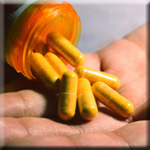
Coenzyme Q 10 (CoQ10) is well known as a critical compound required by the body to facilitate normal breakdown of adenosine triphosphate (ATP) within each cell into energy we need for metabolism and life itself. It should come as no surprise that this vital natural enzyme complex may hold the key to prevention and reversal of many potentially life-threatening forms of cardiovascular disease.
Several research studiesreveal that CoQ10 works at a cellular level to protect delicate DNA and reduce dangerous inflammatory levels that are closely linked to heart disease. Further evidence exists to explain how the coenzyme improves blood flow to the heart muscle and enhances vascular elasticity to prevent arterial stiffening, commonly erred to as ‘hardening of the arteries’. Scientists have also found that CoQ10 lowers unhealthy levels of oxidized LDL cholesterol by modulating gene signals involved with cholesterol metabolism.
Coenzyme Q10 Lowers DNA Stress and Inflammation to Improve Heart Health

Researchers from Spain publishing in the journal Age found that supplementing CoQ10 while consuming a healthy Mediterranean diet lowered markers of DNA damage within cells and reduced systemic inflammation. The net effect of this human study was a dramatic reduction in biological markers associated with cardiovascular disease.
The study was conducted by placing twenty participants, aged 65 or older, on three different diets for four weeks each: a Western diet, a Mediterranean diet, or a Mediterranean diet with 200 mg of Q10. The group taking the Mediterranean diet experiences moderately lowered levels of DNA stress, largely due to the anti-inflammatory effect of a diet high in monounsaturated fats in the form of olive oil.
The group that included CoQ10 had a marked decline in all metabolic markers known to promote DNA damage and a decline in cardiovascular health. The study authors concluded that the Mediterranean diet plus CoQ10 “improves oxidative DNA damage in elderly subjects and reduces processes of cellular oxidation. Our results suggest a starting point for the prevention of oxidative processes associated with aging.”
CoQ10 Increases Arterial Elasticity by Improving Cellular Energy

A Chinese research team published in the journal Atherosclerosis examined the effect of CoQ10 on the delicate endothelial lining of the coronary arteries. Endothelial dysfunction is known to be a progenitor to heart disease and heart attack. The scientists demonstrated that individuals placed on CoQ10 (300 mg per day for 12 weeks) showed marked improvement in arterial stiffness due to increased blood flow and improved cellular energy within their endothelial cells.
Scientific evidence is mounting to support coenzyme Q10 as a powerful tool when used to improve cellular energy levels and fight the advances of cardiovascular disease. Most new research is now evolving around the reduced form of the coenzyme known as ubiquinol. Ubiquinol has been found to be up to eight times more potent than the standard CoQ10 and last much longer in blood circulation. It is quite apparent that most health-minded individuals should supplement with CoQ10 (50 to 300 mg per day depending on cardiovascular health) to improve energy levels and improve vascular circulation to the heart.
Subscribe to:
Posts (Atom)


