Showing posts with label oil. Show all posts
Showing posts with label oil. Show all posts
Whole walnuts and their extracted oil improve cardiovascular disease risk
Sunday, May 18, 2014
Consumption of whole walnuts or their extracted oil can reduce cardiovascular risk through a mechanism other than simply lowering cholesterol, according to a team of Penn State, Tufts University and University of Pennsylvania researchers.
"We already know that eating walnuts in a heart-healthy diet can lower blood cholesterol levels," said Penny Kris-Etherton, Distinguished Professor of Nutrition, Penn State. "But, until now, we did not know what component of the walnut was providing this benefit. Now we understand additional ways in which whole walnuts and their oil components can improve heart health."
In a randomized-controlled trial, the researchers gave 15 participants with elevated blood cholesterol one of four treatments -- either 85 grams of whole walnuts, 6 grams of skin, 34 grams of defatted nutmeat, or 51 grams of oil. The team evaluated biochemical and physiological responses in the participants before the treatments were administered and again 30 minutes, one hour, two hours, four hours and six hours after administering the treatments. The researchers repeated this process for each of the remaining three treatments.
Results -- which will appear in the June 1 issue of the Journal of Nutrition and are now online -- showed that a one-time consumption of the oil component in walnuts favorably affected vascular health. In addition, consumption of whole walnuts helped HDL -- good cholesterol -- perform more effectively in transporting and removing excess cholesterol from the body.
"Our study showed that the oil found in walnuts can maintain blood vessel function after a meal, which is very important given that blood vessel integrity is often compromised in individuals with cardiovascular disease," said Claire Berryman, graduate student in nutritional sciences, Penn State. "The walnut oil was particularly good at preserving the function of endothelial cells, which play an important role in cardiovascular health."
According to the researchers, walnuts contain alpha-linolenic acid, gamma-tocopherol and phytosterols, which may explain the positive effects of the walnut oil treatment.
"Implications of this finding could mean improved dietary strategies to fight heart disease," said Berryman. "The science around HDL functionality is very new, so to see improvements in this outcome with the consumption of whole walnuts is promising and worth investigating further."
Further studies are needed to determine the mechanisms that account for cardiovascular disease risk reduction with walnut consumption, according to Kris-Etherton.
"Our study indicates that simple dietary changes, such as incorporating walnuts and/or their oil in a heart healthy diet, may reduce the risk of heart disease," she said.


Fish oil may help the heart beat mental stress
Tuesday, May 6, 2014
The omega 3 fatty acids in fish oil have long been thought to protect against cardiovascular disease—so much so that the American Heart Association currently recommends eating at least two servings of fish a week, particularly fatty varieties rich in omega 3s. However, the mechanism behind this protective effect still remains a mystery.
In a new study, scientists led by Jason R. Carter of Michigan Technological University shed light on this phenomenon by providing evidence that fish oil might specifically counteract the detrimental effects of mental stress on the heart. Their findings show that volunteers who took fish oil supplements for several weeks had a blunted response to mental stress in several measurements of cardiovascular health, including heart rate and muscle sympathetic nerve activity (MSNA), part of the "fight or flight" response, compared to volunteers who took olive oil instead. The results may explain why taking fish oil could be beneficial to the heart and might eventually help doctors prevent heart disease in select populations.
The article is entitled "Fish Oil and Neurovascular Reactivity to Mental Stress in Humans." It appears in the May edition of the American Journal of Physiology – Regulatory, Integrative, and Comparative Physiology, published by the American Physiological Society. It is available online at http://bit.ly/10j0CSS
Methodology
Carter and his colleagues worked with 67 adult volunteers. At the beginning of the study, each volunteer underwent a battery of tests to assess cardiovascular function, including heart rate, blood pressure, MSNA, and blood flow through the forearm and calf. These tests were performed first when the volunteers were at rest, and then again while they were performing a mental arithmetic test while the investigator encouraged them to hurry, a situation designed to induce acute mental stress. The study subjects were then nearly equally assigned to take either 9 grams of fish oil per day or 9 grams of olive oil, a placebo that hasnt been shown to have the same beneficial cardiovascular effects as fish oil. None of the volunteers were aware of which supplement they were taking. After 8 weeks of this intervention, the study subjects underwent the same tests again.
Results
The researchers found that test results didnt change between the two groups of study subjects when they were at rest. However, results for the volunteers who took fish oil and those who received the placebo differed significantly for some of the tests during the mental stress. Those in the fish oil group showed blunted heart rate reactivity while they were stressed compared to those who took olive oil. Similarly, the total MSNA reactivity to mental stress was also blunted in the fish oil group.
Importance of the Findings
These results show that fish oil could have a protective effect on cardiovascular function during mental stress, a finding that adds a piece to the puzzle on why taking fish oil helps the heart stay healthy, the authors suggest. Future studies might focus on the effects of taking fish oil for longer time periods and examining this effect on older populations or people with cardiovascular disease.
"Overall," the study authors say, "the data support and extend the growing evidence that fish oil may have positive health benefits regarding neural cardiovascular control in humans and suggest important physiological interactions between fish oil and psychological stress that may contribute to disease etiology."
Evolutionary Importance of Fish Oil
Wednesday, April 30, 2014
For those who understand that who we are today is the environmental evolution over many thousands of years and generations, it is not difficult to understand that our bodies have adapted to depend on the biologic components which were in ready supply during our march through time. As our bodies evolved from ape through to homo-sapien, we have remained a viable species because of our ability to utilize the vitamins, minerals and fatty acids which were part of our diets and environment.
We spent much time in warm climates wearing little clothing... our skin produced massive quantities of Vitamin D which all of our cells adapted for survival. Early man ate fish and free-roaming grass fed animals, both of which were high in the Omega-3 fatty acids EPA and DHA. Prior to the mass breeding of cattle, the beef supply provided a significant source of the Omega-3 fats. Today, the herds are fed corn and other fattening agents which provide poor sources of the essential fats to the animals and thus to our diets. Also, meat was mostly eaten without cooking which preserved the full potency of these nutrients.
Specifically our brain requires a high percentage of Omega-3 fat for the construction of the cellular membrane (specifically the DHA component). Omega fats are shuttled in the body to be used for cellular reconstruction processes when consumed, and only burned for energy as a last resort. When our diet does not include sufficient Omega-3 fats (as is the case with the vast majority consuming the typical Western diet), other types of fats must be used. When this happens, the integrity of the cellular membranes are not solid, and the membrane does not exhibit the proper characteristics. Oxygen and nutrients do not enter and exit the cell in an efficient manner, and a variety of disease processes are initiated. It has been known for decades that when a cell is forced to burn glucose instead of oxygen because of this deficiency, a cancer cell can form within a matter of hours. Additionally, the Omega-3 fats reduce the inflammation raging in most people, a factor blamed in many diseases of modern society and most recently implicated as a major contributing factor to cardiovascular disease.
Today only cold water fish remain as a good source of Omega-3 fats, although much has been written about the contamination from mercury and other environmental wastes which affect many aquatic species. Most people are wise to supplement with fish oil, making certain to ensure that it has been molecularly distilled for removal of any contaminants. How much fish oil is the correct amount? The answer depends on the individual and the risk for cardiovascular disease.
It is critical to read the label of the fish oil you select, making sure that the amount of the two key Omega-3 fats are displayed. Current recommendations for healthy adults with no cardiovascular risks are for a combined total of 1 - 1.5 grams of EPA/DHA per day. For those with known disease or a high risk level, 2 - 2.5 combined grams per day. Very recent information is showing that like Vitamin D, it may be necessary to have the blood levels of Omega-3 fats in the blood tested to determine optimal levels. We will discuss this more as pertinent information becomes available. As always, you should abide by the wisdom of your natural health care provider for appropriate supplement dosing and for blood testing.
Steamed Zero Oil Potato Samosas
Tuesday, April 29, 2014
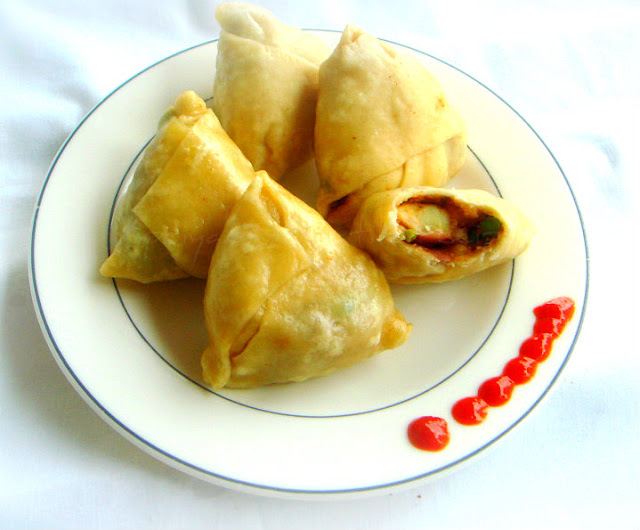
After some guilt free zero oil potato chips,my next recipe for this weeks theme of zero oil cooking goes obviously for the most famous Indian snack the popular deep fried samosas. Since i have already prepared samosas as baked version and shallow fry version, i seriously wanted to give a try to the steamed ones. If you guys love the famous momos, the Tibetan steamed dumplings, this steamed samosas is for you.
Even the filling in this samosas dont have a single drop of oil and these steamed version samosas will be a big hit if you give a try to them. Initially even i wasnt very much sure of the final result and went for small quantity of dough and stuffing,finally they turned out simply awesome and these steamed samosas is our recent favourite snacks, serve it simply with a hot chilly sauce or ketchup am sure you guys will definitely fallen in love with this steamed zero oil potato samosas. Check out the other bloggers running this 23rd edition of blogging marathon here.Sending to 60days of Christmas hosted by Priya and Divya.
1cup All purpose flour
Even the filling in this samosas dont have a single drop of oil and these steamed version samosas will be a big hit if you give a try to them. Initially even i wasnt very much sure of the final result and went for small quantity of dough and stuffing,finally they turned out simply awesome and these steamed samosas is our recent favourite snacks, serve it simply with a hot chilly sauce or ketchup am sure you guys will definitely fallen in love with this steamed zero oil potato samosas. Check out the other bloggers running this 23rd edition of blogging marathon here.Sending to 60days of Christmas hosted by Priya and Divya.
1cup All purpose flour
1/4tsp Baking powder
Salt
Sieve the flour,baking powder together and knead with enough water as a smooth and soft dough, cover the dough with a damp cloth for half an hour and keep aside.
For filling:
2nos Potatoes (cooked & mashed slightly)
1no Green chilly (chopped)
1/2tsp Garam masala powder
1/4tsp Chaat masala
Chopped coriander leaves
Salt
Take the mashed potatoes,chopped green chilly,garam masala powder, chaat masala,salt and chopped coriander leaves in a bowl, mix well.
Make tiny balls from the dough, dust with flour and roll them as circles, cut in the middle of the circles, make two demi circles, just fold the sides to make a cone.
Now gently put some already potato mixture inside the cone, press the sides tightly until they gets sticks or use water to stick the edges,continue the process until the masala and dough get finished.
Steam cook them for 10-15minutes in an idly cooker and enjoy warm with hot sauces or ketchup.

For filling:
2nos Potatoes (cooked & mashed slightly)
1no Green chilly (chopped)
1/2tsp Garam masala powder
1/4tsp Chaat masala
Chopped coriander leaves
Salt
Take the mashed potatoes,chopped green chilly,garam masala powder, chaat masala,salt and chopped coriander leaves in a bowl, mix well.
Make tiny balls from the dough, dust with flour and roll them as circles, cut in the middle of the circles, make two demi circles, just fold the sides to make a cone.
Now gently put some already potato mixture inside the cone, press the sides tightly until they gets sticks or use water to stick the edges,continue the process until the masala and dough get finished.
Steam cook them for 10-15minutes in an idly cooker and enjoy warm with hot sauces or ketchup.
Omega 3 Fats from Fish Oil Reduces Signs and Symptoms of Osteoarthritis
Sunday, April 27, 2014

Humans have been consuming omega-3 fats from natural fish, nut and seed sources for countless generations. Our core genetic structure depends on a regular supply of the long chain omega-3 fats EPA and DHA to form cell wall structures and perform millions of metabolic functions that we normally associate with vibrant health.
Imbalance of omega-3 to omega-6 fats cause a surge in inflammatory cytokines that can lead to the painful and debilitating condition known as osteoarthritis. New research published in the journalOsteoarthritis and Cartilage has shown for the first time that omega-3 fats supplied by fish oil could "substantially and significantly"reduce the signs and symptoms of osteoarthritis as we age.
Omega-3 Fat Supplementation Slashes Osteoarthritis Disease Progression in Half

Researchers from the University of Bristol in England tested the effect of omega-3 fats on a breed of guinea pigs that are genetically predisposed to develop arthritis. Guinea pigs were chosen for this study as they develop osteoarthritis in a similar manner to humans. Anecdotal reports over the years provide support for the beneficial effect of fish consumption on joint health. Dr. John Tarlton from the Matrix Biology Research Group and his team set out to confirm the impact of omega-3 fatty acids, either sourced from fish oil or flax oil, to prevent or slow down the progression of osteoarthritis.
The team fed one group of guinea pigs a diet including full-spectrum omega-3 fats (EPA and DHA) and compared the results to a second control group of non-supplemented animals. Typical degradation of collagen in cartilage and the loss of molecules that give it shock-absorbing properties were both reduced in the omega-3 supplemented group. Researchers noted that omega-3 fats reduced disease by 50 per cent compared to the control group.
Omega-3 Fats Found More Effective Treating Arthritis than Dangerous Medications

Upon examination of the results, Dr. Tarlton explained“there was strong evidence that omega-3 influences the biochemistry of the disease, and theore not only helps prevent disease, but also slows its progression, potentially controlling established osteoarthritis.” This is a critical finding, as most people suffering from arthritis are prescribed a plethora of ineffective pain medications that dramatically increase the risk of developing cardiovascular disease or suffering a heart attack.
At the present time there is no known cure or effective treatment from those experiencing the debilitating effects of osteoarthritis, and omega fat imbalance from a poor diet causes excessive joint inflammation and needless suffering. Researchers performing this study concluded“Most diets in the developed world are lacking in omega-3, with modern diets having up to 30 times too much omega-6 and too little omega-3. Taking omega-3 will help redress this imbalance and may positively contribute to a range of other health problems such as heart disease.” Most health-minded individuals will want to supplement with a molecularly distilled form of fish oil (minimum 1200 mg EPA/DHA content) each day to combat inflammation and osteoarthritis.
Type of cooking oil and usefulness for health
Friday, April 18, 2014
Type of cooking oil and usefulness for health - With a wide range of existing oil, make you have the option of using oil. Oil has influence in health, as widely used as the main ingredient to cook. Here are different types of oils and their benefits reported by Times of India.
Peanut oil
This oil can be used in cooking such as frying or grilling. This oil is healthy because it can lower bad cholesterol. Peanut oil is also a source of vitamin E. This vitamin is known to act as anti-oxidants to protect the skin from acne or scars.
Canola oil
This oil is ideal for use at high temperatures such as sautéing, frying and grilling. Canola oil has a good content of Omega 3, 6 and 9 fatty acids which help in maintaining good cholesterol levels.
With just 7% saturated fat, canola cooking oil into one of the existing healthy. Coupled with a neutral taste and light texture, it is ideal to use for cooking because it does not overpower the taste or flavor ingredients.
Sunflower oil
This oil has polyunsaturated fat content is healthy. Because mild flavor, sunflower oil does not overpower the flavor of other ingredients. The presence of Omega-6 and vitamin E act as anti-oxidants, and lowering cholesterol.
Mustard oil
Distinctive flavor of this oil brings a unique flavor to the dish. The content of this oil is used as a stimulant to aid digestion and circulation. Because antibacterial properties, this oil can help protect the skin.
Olive oil
Monounsaturated fatty acids in olive oil such as Omega-3 provides anti-inflammatory properties. Vitamins, minerals and proteins that exist in this show that olive oil can be used for application on hair and skin care. Olive oil also helps in absorption of calcium along with lowering bad cholesterol.
Of oil on top, which you use most often?
Another Benefit of Olive Oil
Thursday, April 10, 2014
 We know olive oil is good for the heart. Its monounsaturated fats have a reputation for lowering LDL (bad cholesterol) and raising HDL (good cholesterol).
Now, researchers have found another benefit of olive oil - the ability to reduce pain and inflammation, much like non-steroidal anti-inflammatory drugs (NSAIDs) such as Advil® or Motrin® can.
This time the benefit is not due to olive oils monounsaturated fats, but to a newly discovered chemical the researchers named oleocanthal. It was found occurring naturally in the extra-virgin type of olive oil.
For a summary of the researchers findings:
Olive Oil Contains Natural Anti-inflammatory Agent
The article appears in the September 1 issue of the journal Nature (editors summary only, subscription required for full article.):
Phytochemistry: Ibuprofen-like Activity in Extra-virgin Olive Oil
How extra virgin olive oil protects against Alzheimers disease
Sunday, April 6, 2014
The mystery of exactly how consumption of extra virgin olive oil helps reduce the risk of Alzheimers disease (AD) may lie in one component of olive oil that helps shuttle the abnormal AD proteins out of the brain, scientists are reporting in a new study. It appears in the journal ACS Chemical Neuroscience.
Amal Kaddoumi and colleagues note that AD affects about 30 million people worldwide, but the prevalence is lower in Mediterranean countries. Scientists once attributed it to the high concentration of healthful monounsaturated fats in olive oil — consumed in large amounts in the Mediterranean diet. Newer research suggested that the actual protective agent might be a substance called oleocanthal, which has effects that protect nerve cells from the kind of damage that occurs in AD. Kaddoumis team sought evidence on whether oleocanthal helps decrease the accumulation of beta-amyloid (Aβ) in the brain, believed to be the culprit in AD.
They describe tracking the effects of oleocanthal in the brains and cultured brain cells of laboratory mice used as stand-ins for humans in such research. In both instances, oleocanthal showed a consistent pattern in which it boosted production of two proteins and key enzymes believed to be critical in removing Aβ from the brain. "Extra-virgin olive oil-derived oleocanthal associated with the consumption of Mediterranean diet has the potential to reduce the risk of AD or related neurodegenerative dementias," the report concludes.
Olive Oil and Nuts Lower Heart Disease Risk Better Than Pharmaceuticals
Friday, April 4, 2014

More vindication for a natural Mediterranean-style diet including plenty of extra virgin olive oil (EVOO) and nuts was released in an advanced study published by the prestigious journalAtherosclerosis. Early results from a Spanish study with more than 7500 participants’ demonstrates that high quantities of dietary EVOO and a variety of different species of nuts is more effective in managing and preventing a heart event than traditional drug therapy.
Many physicians place their patients on the standard prescription of beta blockers and ACE inhibitors in a desperate effort to prevent advancing heart disease, even though repeated studies prove these drugs are detrimental to long-term health. Include copious amounts of EVOO and nuts in your diet to dramatically lower heart disease risk and avoid the need for risk drugs.
Study Provides Proof of Natural Diet over Drugs in the Fight against Heart Disease

To conduct the study, researchers placed the participants into one of three groups following either a Mediterranean style diet receiving 15 liters of EVOO over a 90 day period, a nutgroup consuming 30 grams per day of walnuts, almonds and hazelnuts or a standard low-fat diet. Among those participants over the age of 55, the scientists found that carotid artery thickness was significantly reduced in the EVOO and nut groups for individuals with already thickened arterial walls.
Researchers commented, “A modification in the entire diet pattern managed to achieve in just one year, results that pharmaceutical drugs did not – even after two years of treatment.” Lead study author, Dr. Miguel Angel Martinez-Gonzalez was impressed that a diet concentrated on natural food sources high in beneficial fats improved cardiovascular risk outcomes more than Pharma options. The study also found that the traditional low-fat (high carbohydrate) diet frequently prescribed by physicians and dieticians today has no health benefits and allows for heart disease to progress unabated.
Monounsaturated Fats From EVOO and Nuts Improve Vascular Elasticity

Most alternative health practitioners understand that a dramatic reduction of wheat-based carbohydrates coupled with increased monounsaturated fats and Omega-3 sources can provide for vascular elasticity to lower risk of heart disease and stroke. No drug can make the same claim, despite billions of dollars spent to market and promote unnecessary pharmaceutical options to millions of unsuspecting patients.
Dr. Martinez-Gonzalez concluded “We thus observed… a significant improvement and regression of lesions having taken place in those cases that had followed a Mediterranean diet enriched with virgin olive oil or nuts.” After just 90 days of EVOO or nut consumption, lipoprotein ratios improved enough to deliver significant improvement in heart disease risk for both men and women following the diet. To lower your risk of heart disease, adopt a Mediterranean-style eating pattern and be certain to include a healthy dose of EVOO (unheated) and unprocessed nuts (not roasted, cooked or heated).
Zero Oil Baked Potato Chips
Hardly peoples say no to potato chips, if you want to give a try to zero oil,guilt free potato chips this is for you. Yep even am not sure about making these chips until i choosed the theme zero oil cooking for this weeks blogging marathon. So for the next two days ill be posting dishes with zero oil cooking.When i choosed zero oil cooking as theme, i know ill be making potato chips but not through microwave oven as i have already tried them and obviously i wanted them as baked ones. Until i saw the final result of these crispy and guilt free potato chips i wasnt sure of this baked version.
For my surprise they turned out simply awesome, if you are searching for pect chips as like deep fried ones, sorry they dont tasted as though , but i wasnt disappointed of this zero oil baked potato chips. Once a while,ill be making these chips as i loved them munching. Do check Champa, Srivalli, Sumana Deepak,Veena,Jayasri and Preeti Deo wat they baked for the fifth day of bake-a-thon. Also check out the other bloggers running this 23rd edition of blogging marathon here.

2nos Potatoes (medium sized)
Salt
Dry parsley leaves
Peel and slice the potatoes as thin chips with a mandolin.
Preheat the oven to 175F, line a baking sheet and arrange a single layer of sliced potatoes, sprinkle the salt and herb as per need, bake for an hour until the chips turns super crispy..
Enjoy with a cup of tea..
For my surprise they turned out simply awesome, if you are searching for pect chips as like deep fried ones, sorry they dont tasted as though , but i wasnt disappointed of this zero oil baked potato chips. Once a while,ill be making these chips as i loved them munching. Do check Champa, Srivalli, Sumana Deepak,Veena,Jayasri and Preeti Deo wat they baked for the fifth day of bake-a-thon. Also check out the other bloggers running this 23rd edition of blogging marathon here.
2nos Potatoes (medium sized)
Salt
Dry parsley leaves
Peel and slice the potatoes as thin chips with a mandolin.
Preheat the oven to 175F, line a baking sheet and arrange a single layer of sliced potatoes, sprinkle the salt and herb as per need, bake for an hour until the chips turns super crispy..
Enjoy with a cup of tea..
Butter Worse For Arteries Than Olive Oil
Tuesday, April 1, 2014
 Meals high in saturated fat (SAFA), as opposed to monounsaturated fat (MUFA), may impair artery function. That was the finding of a small study published in the December issue of Diabetes Care:
Differential Effects Of Two Different Isoenergetic Meals One Rich In Saturated And One Rich In Monounsaturated Fat On Endothelial Function In Subjects With Type 2 Diabetes Mellitus, Diabetes Care, December 2008
After 33 participants with type 2 diabetes consumed either a meal high in saturated fat (butter), or high in monounsaturated fat (olive oil), (meals had the same number of calories) their artery function was assessed.
Flow-mediated dilation (FMD):
- Declined by 16.7% after the saturated-fat-rich meal
- Increased by 5.2% after the monounsaturated-fat-rich meal
The authors concluded:
"Consumption of an SAFA-rich meal is harmful for the endothelium, while a MUFA-rich meal does not impair endothelial function in subjects with type 2 diabetes."
New Study Replacing Animal Fat with Vegetable Oil Death
Saturday, March 29, 2014
 Ahhh it was a good day today when I read this article... "Study raises questions about dietary fats and heart disease guidance". Heres the scoop... researchers from the United States and Australia have recovered missing data from an old study from the 1970s. The study, known as the Sydney Diet Heart Study, was a randomized controlled trial in which the participants were told to replace the saturated fats in their diets with polyunsaturated fats from vegetable oil. The 458 subjects were all men between ages 30-59 who had recently had a coronary event, defined as either a heart attack or angina (1).
Why was this data missing? Who knows. I cant find a good answer. But had these results been available in the mid 1970s as they should have been, it may have changed the course of the dietary guidelines on fat intake.
Okay so we had two groups, both groups are coming off of either a heart attack or angina. Let me break it down right quick...
Group 1: Control group
- Given no dietary advice at all
- Reduce dietary saturated fat (animal fats) to under 10% of calories
- Reduce dietary cholesterol to less than 300 mg/day
- Increase polyunsaturated fats (from safflower oil) to 15% of calories
The participants diets were reported through a daily food diary, and they reported to the lab for testing 2-3x per year for several years. Here are the results for all-cause death, cardiovascular disease, and coronary heart disease...

Here you can see the cumulative death rate over the course of 5 years of follow-up. The data is essentially the same for all-cause, cardiovascular, and heart disease deaths. Its also statistically significant and very, very clear. Those in the intervention group, who reduced their saturated fat and cholesterol intake while increasing their polyunsaturated fat intake, fared worse. In other words, the people eating more saturated fat and cholesterol lived longer, and they had a lower rate of heart disease.
This shouldnt come as a huge surprise if youre a reader of this here blog. You know saturated fat is wrongly accused... and that vegetable oils are the devil. Just further evidence here. But theres something else thats interesting about this study: the cholesterol levels. The data is only available for 1 year of follow up, and I had to make this graph myself for your viewing pleasure. Check it out...

Sorry about the colors... theyre actually the opposite of the graphs above and I hadnt realized it til now! But the point is that the intervention group in red, the group eating more vegetable oils, lowered their total cholesterol nearly 40 points!! They ended up at 243.9 mg/dl by the end of the first year. The control group? Well they lowered theirs a measly 15 points to 266.5 mg/dl. Both began at the same level. (There were no significant differences between groups in triglycerides, body mass index, or systolic or diastolic blood pressure at baseline or during follow-up.)
So based on this, you would assume that the intervention group would be better off, right? But they werent. They died far more often of heart disease than the control group did, and with lower cholesterol! Lesson #1: Arbitrarily lowering your cholesterol by any means necessary does not and will not lower your risk of heart disease!!! Cholesterol is just a semi-accurate risk factor... it is not the cause. Theore I dont necessarily give two shits if your diet lowers your total cholesterol.
But the worst part of all this? Replacing saturated animal fats with unsaturated vegetable fats has been a cornerstone of mainstream dietary advice for the past 40 years. I could cite any number of different sources here, like...
- The 2010 Dietary Guidelines: "Americans should replace solid fats with oils." pg. 40 (2)
- The American Heart Association: "Replacement of saturated fat and trans fat with monounsaturated fat and polyunsaturated fat might even help lower LDL cholesterol when eaten as part of a healthy diet." (3)
- The My Plate fats and oils info sheet I was forced to teach to teenagers last semester in my community rotation: "Replacing saturated fats with unsaturated fats lowers your cholesterol and reduces your risk for heart disease."
I, for one, have had enough of this shit. Its time this changes, and maybe this is the study to put it over the edge. Saturated fat isnt killing us. Vegetable oil is. Eat real food. Peace Im out.
Gingelly Oil Chicken Roast
Thursday, March 27, 2014
Gingelly oil gives a wonderful flavour to any dish they are added, usually ill make tamarind based tangy gravies with gingelly oil. I still remember most of the foods prepared at my grandmas place will always have gingelly oil in it. Especially the chicken roast, this droolworthy,flavourful chicken roast goes for a simple cooking process and this dish goes wonderful as side dish with hot piping rasam rice.
If you are planning to make some chicken roast,give a try to this dish and am sure this chicken roast will definitely will become your family favourite.If you are a vegetarian, you can make this same roast very well with potatoes,cauliflowers or with paneer.

If you are planning to make some chicken roast,give a try to this dish and am sure this chicken roast will definitely will become your family favourite.If you are a vegetarian, you can make this same roast very well with potatoes,cauliflowers or with paneer.
1/2kg Chicken (cut as medium sizes)
3nos Onions (chopped)
1/2cup Tomato puree
1/2cup Tomato puree
1tsp Ginger garlic paste
1tsp Chilly powder
1tbsp Coriander powder
1/2cup Yogurt
Salt
Few curry leaves
1tsp Fennel seeds
3nos Dry red chillies
1/2cup Gingelly Oil
Coriander leaves (chopped)
Marinate the chicken with chilly powder,salt, yogurt and keep aside for half an hour.
In a kadai, heat the gingelly oil, fry the fennel seeds and dry red chillies, add now the chopped onions,ginger garlic paste and cook until the onions turns transculent.
Now add the marinated chicken,tomato puree,coriander powder and cook them for few minutes.
Cook everything in simmer.
Sprinkle some water and cook everything for few minutes until the chicken roast turns dry.
Finally add the chopped coriander leaves and put off the stove.
Serve as side dish.
Olive Oil Fraud
Friday, March 21, 2014
Hi,
It seems that olive oil fraud has been around since day 0001 but it only came to my attention today in an e-mail from a guy who wants to sell me real extra virgin olive oil. I get so many e-mails from websites that are trying to sell me something that I dont often pay attention to them anymore, but this one caught my eye. I did not want to read the advertising for his expensive product so I searched out the source of information in an article that he erred to which was written in 2007 in The New Yorker magazine. (Here is a link if you are interested: http://www.newyorker.com/reporting/2007/08/13/070813fa_fact_mueller )
After reading about all the corruption and mislabeling I am about to go off of extra virgin olive oil. There is no guarantee that what I am buying at my local grocery store, whether it be Kroger or Whole Foods, is even olive oil. It could be anything from soy bean oil to hazelnut oil. I only started using extra virgin olive oil (EVOO) because it was supposed to be so healthy for my body -- if I cannot be sure that what I am buying is actually EVOO, then why bother?
I can use extra virgin coconut oil (EVCO) instead. I tried using it in the salad dressing that I make myself and it actually tasted better than the EVOO from the plastic bottle under my counter. Plastic Bottle. That should be a dead give away that what is inside could be anything and the longer it sits (even if it actually is EVOO) the more rancid it gets. I dont need it. Out she goes.
The only problem I foresee with using EVCO for salad dressing is that in the winter time it tends to harden while sitting on the counter in my kitchen. It needs to be above about 75 degrees in order for it to be liquid form which works well in the pourable salad dressing. Ive been considering placing my bottle of dressing near the pilot light on my gas stove to keep it at a liquid temperature but I have no idea what that will do to my dressing. Perhaps I should put it in a different shaped container so I can spoon it out. I really dont know and will have to wait for winter time to experiment with that.
In the mean time, it is summer and it works fine as a good replacement. So there you have it. My personal workaround for the corruption in the olive oil industry.
You know what this reminds me of? The Mormon church which I grew up in. They actually tell their people not to trust the Bible because parts of it have been changed over the years. They only read the King James Version (at least when I was a member thats what they did) and they believed that parts of it were corrupt. To me, even at the time, that meant that since I had no way of knowing which parts were supposedly corrupt and which parts were accurate I could trust none of it. What a mess.
Im glad I found out the truth and became a Christian who can read and trust all of the Bible from cover to cover. I have found the evidence that I needed to ease and clear my mind concerning the Bible. The Dead Sea Scrolls give strong evidence that the Books in the Bible we are reading now are nearly identical to the ones stored away for three thousand years and hidden in a cave. There are other proofs that Ive read about too, so I dont worry about it anymore. I know the Bible is the word of God, and that is what I stand on. It is so much more "clean" to trust what I have investigated and found to be authentic. It actually eases my mind and assuages my soul.
My best source of information about the authenticity of the Bible came from a book written by Simon Greenleaf -- here is a link to Amazon.com where you can look inside http://www.amazon.com/The-Testimony-Evangelists-Examined-Evidence/dp/0825427479.
Its only about eight dollars so it wont break the bank. But I must warn you, it is probably not for the casual reader. It is quite interesting to me and very well written in my opinion, but some people dont like technical nor precise reading matter. I like it, expressly for that reason. When I was done looking through his eyes, I no longer had questions about whether the New Testament was authentic or whether I could trust the words of the Apostles which were written there.
Back to the typical fodder of this blog: I went to see my doctor on Thursday but ended up not seeing her at all. I ended up simply walking out of the office and not one person even noticed it or said a thing to me. Not even a friendly "Goodbye." Ill be choosing a new primary care physician from my insurance list, soon. It was an experience that I probably wont forget.
Before I went I knew that my only current health problem that needed to be addressed was my high blood pressure. When I measured it on the morning of the appointment it was about twenty points higher on the upper number than usual so I already knew it was going to be sky high in the office. Of course dreading that, makes it worse, but I did not want to miss the appointment, so I went. As I waited for them to call me, I tried to do deep breathing and relaxation to lower it. It is hard for me to relax in the doctors office but I did my best.
When the perky little girl came and got me and lead me back to the room to wait for the nurse practitioner (I had never really seen the doctor there.) I tried to continue to relax myself, but she wanted to chit chat so I was polite and cheerful. She walked me into the room, sat me down, tore the paper off of the examination table and pulled the blood pressure machine over to me. It all happened so fast I had no chance to breath and the number she got was pretty outrageous. She cheerfully said she would measure it again later and left the room. I got no chance to try to get anything under control and simply sat and waited to see my NP.
As I waited I got out my journal which I always take with me and was reading some things to relax me and the door opened up and another young nurse came in. She too rushed about and wanted to take my BP by hand this time. I know that the cuffs that they have dont work on my upper arm which is really oversized. They not only wont measure me, it is often extremely painful for me to undergo their trying to get it to work over and over, again, so I asked that she take it on my forearm instead of my upper arm. She said she did not know how to do that, so I was stuck. I rolled up my sleeve and asked for an arm support knowing that if they leave my arm in the air and I have to hold it up, that raises my blood pressure, too.
She pulled out the doctors stool and sat down so I could rest my arm on her knee and quickly put the cuff on my arm and started to pump. As she pumped the pain just got worse and worse until I said that I could not take any more pressure and she immediately stopped pumping and let it go. This begins to ease the pain but it does not stop until they take the cuff off. So she let it down and said she got the lower number but did not get the upper one and started to pump it up again. Of course my arm was already in pain and she started pumping it up again harder and harder. At a certain point, I could not take the pain any more and saw that she was oblivious to my torture so I simply reached over with my other hand and undid the cuff as I explained that it was simply way too painful for me.
She actually jumped up off of the stool, leaving it in front of me, and ran out of the room, leaving the door open. The next thing I heard was her talking about me to someone in the hallway as if I had committed a crime. She seemed very shocked. I suppose she never ran into someone before who believes that they are in charge of their own body and not the nurse or the doctor. Well, when I heard her talking about me, I realized that I needed to get out of there before they wanted to torture me some more -- but I really wanted to talk to the NP, so when I made the decision to leave, I did it slowly. I caully put my gloves and glasses on and got out my keys and waited. I sat there a few moments waiting but no one came in to talk to me.
I slowly stood up, fully expecting to see my NP coming into the room, but when I got to the door way and looked out, all I could see was the shocked nurse still talking to some other nurse farther down the corridor. So I got my walking stick and started to move slowly down the hall, fully expecting someone to approach me. No one even noticed me. I walked past the check out desk which was empty and pushed the green button to open the door and walked out. I did it all slowly in case someone wanted to say anything to me but no one came after me, and I just left. I then knew I would need to find another doctor.
Im not asking for agreement that I did the right thing. Perhaps it was the wrong thing. As Ive been thinking about it, Ive come up with reasons to justify finding another doctor. For one thing, I really have never once even seen the doctor there, I dont even know what he looks like. Id rather go to a doctor that I can see and talk to.
Their BP equipment is faulty and even from the comments of the nurses using it, it seems that they have a hard time using it. Ive also never liked having to carry my urine specimen in an open container -- my previous doctor had cups with caps that prevented spillage or contamination. And when they take blood from me, it is in the middle of the nurses station rather than in a private place.
Those things may not seem like much, but I had been putting up with all that because I liked my NP, but I really dont like being treated like I am "cattle." I really do think that, all things together, I will just find another doctor.
And about the HBP. I know how to lower my BP. It is with walking. So I shall manage it with walking. The only time in my entire life that I had normal blood pressure was after I had started walking a long time ago. I also saw how my BP came down when I did a stress test a few years ago so I know that walking will make the difference. It makes me wonder why my water arerobics has done nothing for the problem. I had been hoping it would, but my BP seems to be staying particularly high, so I will start the walking thing and see if that still helps.
In the mean time, I want to find a doctor with his eye on his patients and not on his bottom line or the elegance of his office. I really did not like the "factory" format they had so maybe I can find a more personal doctor. Id really like to go back to my old one, but she does not take medicare, so Ill keep looking.
BTW I was surprised to see a weight loss this morning. Im below 318 today. Still losing weight. Thank you Lord Jesus!!
Be back soon,
Marcia
Green Tea and Fish Oil Promote Health and Assist Weight Loss
Monday, March 17, 2014

Include green tea and DHA in your nutritional arsenal to prevent a wide array of potentially lethal illnesses and reach your ideal weight loss goal.
Harness the Power of Green Tea Against Cancer

Green Tea Boosts Metabolism
The results of a study published in the European Journal of Clinical Nutrition provide evidence that EGCG increases fat oxidation by 33% through accelerated metabolism. Green tea has also been shown to inhibit fat cell formation and improve excretion of fat from abdominal adipose tissue. This study found that fat was burned at a higher rate for 2 hours after eating and deceased rapidly after that point. The study authors recommend drinking green tea or supplementing with EGCG prior to eating for maximum benefit.
The researchers also noted that higher intake of green tea or EGCG does not necessarily translate into increased levels of fat oxidation. Fresh brew your own green tea or use low dose EGCG supplements (300 mg or less) to receive the full fat metabolism effect.
DHA Provides Support for the Heart and Brain

DHA is the perred fat used in brain cell neurons as well as most other cells in the body. Its unique properties allow for oxygen and nutrients to easily pass through the cell wall. When this vital fat is deficient, other fats must be used which create a stiffer cell membrane leading to cellular death and disease.
DHA Prevents Fat Accumulation
DHA works by influencing genes which control blood sugar, insulin secretion and fat accumulation. This Omega-3 fat targets the bioactive white adipose cells and affects how triglycerides in the blood are either burned for fuel or allowed to be stored as fat. The results of a study published in the International Journal of Obesity demonstrate the addition of DHA and Omega-3 fats increased weight loss in a group of overweight men by 28% compared to those who didn`t supplement.
It’s no surprise that natural nutrients and supplements act to promote health and assist weight loss. Green tea and DHA fats are prime examples of an intricate mechanism evolved over generations which our body uses to support our health. Incorporate these powerful nutrients into your lifestyle for improved quality of life and longevity.
Depression Slows Weight Loss Efforts Fish Oil Can Help
Tuesday, March 11, 2014
(Article first published as Avoid Depression for Successful Weight Loss, Omega-3 Fats Can Help on Technorati.)
 Clinical depression rates are rising in America almost as quickly as the number of overweight and obese individuals. It makes sense that people who may be depressed are less likely to be concerned over weight issues as they become less involved with physical health issues and their external environment.
 The study involved 203 obese women for a period of 12 months who had been diagnosed with clinical depression. All participants were placed on a reduced calorie diet and broken into 2 groups. Both groups were monitored for caloric intake with food questionnaires and physical activity. Half of the participants were also treated for their depression and their progress was marked using a traditional symptom checklist.
 A good alternative to the traditional pharmaceutical therapy for depression is omega-3 fats from fish and fish oils. The human brain is composed largely of long chain Omega-3 fats and when deficient, neurons malfunction and clinical depression manifests. Researchers from the University of Illinois combined the results from 15 independent studies and confirmed that Omega-3 fats are effective at improving mood and may potentially eliminate the need for many people to take antidepressant drugs. Researchers found that the Omega-3 component EPA exerts the most benefit in alleviating the symptoms of depression.
While researchers are unable to say whether depression leads to excess weight or if the extra pounds contribute as an underlying cause of depression, those individuals who fall into the obese classification (BMI above 30) are 50 to 150% more likely to suffer from depression than normal weight individuals. Clearly there is a close relationship between the physical and psychological manifestations that contribute to excess weight and clinical depression.
Depression Closely Linked to Body Weight
Depression is a devastating condition that can have a detrimental effect on many aspects of a person’s life. Depressed people are more likely to eat a poor diet of processed junk foods and become less physically active. The results of a study conducted at the University of Washington and reported in the journal General Hospital Psychology demonstrates that treating obese individuals for depression can have a significant impact on their weight loss efforts.
Study Confirms That Treating Depression Leads to Weight Loss
Women who demonstrated the most marked improvement of their depression symptoms were able to lose the most weight. Researchers found that 38% of the women who experienced improved mood lost 5% of their body weight, compared with only 21% in the non-treated group. The study found that depression is closely linked to decreased physical activity, and most of the weight loss was due to an increased level of exercise.
The study authors could not determine if improving depression symptoms led to greater physical activity or vice versa, but concluded, "among women with co-occurring obesity and depression, short-term improvement in depression is associated with weight loss." They suggest that depression screening should become a normal part of any permanent weight loss program.
Omega-3 Fats Used to Treat Depression
Mood disorders and clinical depression affect nearly 21 million American adults and ranks as the fourth leading cause of morbidity and death. Undoubtedly overweight and obesity are confounding factors that dramatically increase the risk of disease and untimely demise. Research confirms that improving symptoms of depression with traditional therapy and using fish oil supplementation may be the key to relief from clinical depression and successful weight loss.
Low fat fish oil diet protects men with prostate cancer
Saturday, March 8, 2014
Men with prostate cancer who ate a low-fat diet and took fish oil supplements had lower levels of pro-inflammatory substances in their blood and a lower cell cycle progression score, a measure used to predict cancer recurrence, than men who ate a typical Western diet, UCLA researchers found.
The findings are important because lowering the cell cycle progression (CCP) score may help prevent prostate cancers from becoming more aggressive, said study lead author William Aronson, a clinical professor of urology at UCLA and chief of urologic oncology at the West Los Angeles Veterans Affairs Medical Center.
"We found that CCP scores were significantly lower in the prostate cancer in men who consumed the low-fat fish oil diet as compare to men who followed a higher fat Western diet," Aronson said. "We also found that men on the low-fat fish oil diet had reduced blood levels of pro-inflammatory substances that have been associated with cancer."
This study appears in the early online edition of Cancer Prevention Research, a peer-reviewed journal of the American Association for Cancer Research.
This study is a follow-up to a 2011 study by Aronson and his team that found a low-fat diet with fish oil supplements eaten for four to six weeks prior to prostate removal slowed the growth of cancer cells in human prostate cancer tissue compared to a traditional, high-fat Western diet.
That short-term study also found that the men on the low-fat fish oil diet were able to change the composition of their cell membranes in both the healthy cells and the cancer cells in the prostate. They had increased levels of omega-3 fatty acids from fish oil and decreased levels of the more pro-inflammatory omega-6 fatty acids from corn oil in the cell membranes, which may directly affect the biology of the cells, Aronson said.
"These studies are showing that, in men with prostate cancer, you really are what you eat," Aronson said. "The studies suggest that by altering the diet, we may favorably affect the biology of prostate cancer."
The men in the previous study were placed into one of two groups, the low-fat fish oil diet or the Western diet. The Western diet consisted of 40 percent of calories from fat, generally equivalent to what many Americans consume today. The fat sources also were typical of the American diet and included high levels of omega-6 fatty acids from corn oil and low levels of fish oil that provide omega-3 fatty acids.
The low-fat diet consisted of 15 percent of calories from fat. Additionally, the men on this diet took five grams of fish oil per day in five capsules, three with breakfast and two with dinner, to provide omega-3 fatty acids. Omega-3 fatty acids have been found to reduce inflammation, and may be protective for other malignancies.
For this study, Aronson wanted to look at the potential biological mechanisms at work in the low-fat fish oil diet that may be providing protection against cancer growth and spread. They measured levels of the pro-inflammatory substances in the blood and examined the prostate cancer tissue to determine the CCP score.
"This is of great interest, as the CCP score in prostate cancer is known to be associated with more aggressive disease and can help predict which patients will recur and potentially die from their cancer," Aronson said.
Further, Aronson and his team analyzed one pro-inflammatory substance called leukotriene B4 (LTB4) and found that men with lower blood levels of LTB4 after the diet also had lower CCP scores.
"Given this finding, we went on to explore how the LTB4 might potentially affect prostate cancer cells and discovered a completely novel finding that one of the receptors for LTB4 is found on the surface of prostate cancer cells," Aronson said.
Further studies are planned to determine the importance of this novel receptor in prostate cancer progression, Aronson said.
Based on the results of his research, Aronson has been funded to start a prospective, randomized trial at UCLA next year studying 100 men who have elected to join the active surveillance program, which monitors slow-growing prostate cancer using imaging and biopsy instead of treating the disease. Study volunteers will receive a prostate biopsy at the beginning of the trial and again at one year. The men will be randomized into a group that eats their usual diet or to a low-fat fish oil diet group. Aronson will measure markers in the prostate biopsy tissue to check for cell growth and CCP score.
Prostate cancer is a leading cause of death among men in the United States. Its estimated that more than 230,000 American men will be diagnosed with prostate cancer this year alone, with more than 29,000 dying from their disease.
Daily Olive Oil Consumption Cuts Stroke Risk by Forty Percent
Friday, March 7, 2014

Scientists suggest that olive oil taken as part of a healthy diet can lower the life-altering risks associated with a stroke by 41% in the elderly. Based on this body of work, researchers “suggest that a new set of dietary recommendations should be issued to prevent stroke in people 65 and older."
Extra Virgin, Cold Pressed Olive Oil Consumed Daily Dramatically Lowers Stroke Risk

Participants were followed for a period of five years and 148 strokes occurred during that time span. After considering dietary, lifestyle and medical history researchers found that those with the highest intake of extra virgin olive oil were 41% less likely to suffer a stroke compared with those with the lowest consumption of the monounsaturated oil. In a secondary arm of this study where plasma fatty acid measurements were available, individuals with the highest oleic acid (olive oil fraction) were found to experience a 73% lower risk of stroke.
Olive Oil Found to Improve Blood Lipid Profile, Lowers Blood Pressure

The study author from the University of Bordeaux in France, Dr. Cécilia Samieri commented “Stroke is so common in older people and olive oil would be an inexpensive and easy way to help prevent it.” The study did not specify the amount of olive oil used by those in the `intense` group that experienced the highest degree of protection from stroke. Nutritionists recommend that most people should add 1 to 2 tablespoons of extra virgin olive oil five days a week to reap the powerful health benefits of this monounsaturated oil.
Fish oil supplements lower the risk of type 2 diabetes
Wednesday, February 26, 2014
Fish oil supplements lower the risk of type 2 diabetes - Fish oil supplements are known to lower the risk of type-2 diabetes, U.S. researchers expression. This is because fish oil supplements increase the amount of hormone that can lower the risk of diabetes.
"Several animal studies indicate that fish oil improves circulation adiponectin. Currently the same effect in humans is still not known with certainty. Given the existing evidence from several experiments, we found that fish oil supplements may increase adiponectin in human blood," said Jason Wu lead researcher of the Harvard School of Public Health, as reported by the Third Age (23/05).
This result is known after conducting experiments on 682 subjects by fish oil, 641 participants were given a placebo, and olive oil, and sunflower seed oil.
In participants who consumed fish oil, adiponectin levels increased to 0.37 micrograms per millimeter. These results also indicate that the effects of fish oil supplements can be different for each person. Effect of fish oil could be stronger in some and weaker in others.
"Although the level of adiponectin in the bloodstream increases and can lower the risk of type 2 diabetes and coronary heart disease, but whether the effect of fish oil on glucose metabolism and the development of type 2 diabetes remains unclear," said Wu.
Even so, Wu research shows that taking fish oil supplements can increase the amount of adiponectin in the bloodstream which reduces the risk of type-2 diabetes.
Fish oil moderate drinking could help protect from dementia
Friday, February 21, 2014
A Loyola University Chicago Stritch School of Medicine study suggests that omega-3 fish oil might help protect against alcohol-related dementia.
Previous studies have shown that long-term alcohol abuse increases the risk of dementia. The Loyola study found that in the brain cells of rats exposed to high levels of alcohol, a fish oil compound protected against inflammation and cell death.
The study by Michael A. Collins, PhD, and colleagues was reported Sept. 8 at the 14th Congress of the European Society for Biomedical Research on Alcoholism in Warsaw.
An earlier analysis by Collins and Loyola colleague Edward J. Neafsey, PhD, which pooled the results of 143 studies, found that moderate social drinking may reduce the risk of dementia and cognitive impairment. (Moderate drinking is defined as a maximum of two drinks per day for men and 1 drink per day for women.)
It appears that small amounts of alcohol might, in effect, make brain cells more fit. Alcohol in moderate amounts stresses cells and thus toughens them up to cope with major stresses down the road that could cause dementia. But too much alcohol overwhelms the cells, leading to inflammation and cell death.
In the new study, Collins and colleagues exposed cultures of adult rat brain cells to amounts of alcohol equivalent to more than four times the legal limit for driving. These cell cultures were compared with cultures of brain cells exposed to the same high levels of alcohol, plus a compound found in fish oil called omega-3 docosahexaenoic acid (DHA).
Researchers found there was about 90 percent less neuroinflammation and neuronal death in the brain cells exposed to DHA and alcohol than in the cells exposed to alcohol alone.
Further studies are needed to confirm whether fish oil protects against alcohol-related dementia. "Fish oil has the potential of helping preserve brain integrity in abusers," Collins said. "At the very least, it wouldnt hurt them."
But Collins added that best way for an alcohol abuser to protect the brain is, if possible, to quit drinking or cut back to moderate amounts. "We dont want people to think its okay to take a few fish oil capsules and then continue to go on abusing alcohol."
Subscribe to:
Posts (Atom)


