Showing posts with label vegetables. Show all posts
Showing posts with label vegetables. Show all posts
Yellow and orange pigmented vegetables decrease hip fracture risk
Saturday, May 10, 2014
Speaking at the IOF Regionals Asia-Pacific Osteoporosis Meeting, researchers from the National University of Singapore and the Singapore Ministry of Health, announced a study which links carotenoids to decreased hip fracture risk in elderly, lean Chinese men. Elderly who are lean (BMI <20 kg/m2) are at higher risk of hip fracture compared to those with higher BMI.
In the study, the researchers examined the association between dietary antioxidant carotenoids and hip fracture risk across a range of BMI in elderly Chinese men and women using data from the Singapore Chinese Health Study. This population-based, cohort prospective study recruited 63,257 men and women aged 45 years between 1993. In this group, a total of 1,630 incident hip fractures up to December 2010 were identified via record linkage with the nationwide hospital discharge database.
Importantly, the study found that low BMI is a stronger risk factor for hip fracture risk among elderly men compared to women.
Also, in men, hip fracture risk decreased with increasing intakes of total vegetables and of total carotenoids, particularly β-carotene. The protective effect was higher in lean men than in men with higher BMI. In contrast, the intake of vegetables or carotenoids had no association with hip fracture risk in women, regardless of levels of BMI.
Cartenoids, which are found many fruits and vegetables (and especially in yellow and orange pigmented vegetables) are converted to vitamin A in the body. The researchers conclude that clinical trials are needed to demonstrate the efficacy of carotenoid supplementation on reduction of hip fracture risk in elderly men. The findings may have important public health implications on hip fracture prevention, particularly among Asians.


15 fruits and vegetables that are free of non organic pesticides
Friday, April 25, 2014
15 fruits and vegetables that are free of non-organic pesticides - Fruits and vegetables should be the most healthful foods. However, due to pesticide contamination, fruits and vegetables that regardless of their nature be harmful if consumed in excess.
Indeed there are fruits and vegetables organic products that are free of pesticides. However, the price is certainly more expensive than regular products. Following this, the Medical Daily distribute fruit and vegetables are a little non-organic pesticides. Listen more.
1. Sweet corn
2. Onions
3. Pineapple
4. Avocado
5. Cabbage
6. Peas
7. Papaya
8. Mmango
9. Asparagus
10. Eggplant
11. Kiwi
12. Krapefruit
13. Melon
14. Cassava
15. Mushrooms
Fruits and vegetables are free of pesticides it can only be found in organic products. But at least the fruits and vegetables that have been mentioned above are only slightly affected by pesticide contamination.
Even so, you should be wary with fruits and vegetables that actually exposed to a lot of pesticides. The vegetables and fruits include apples, celery, strawberries, peaches, spinach, grapes, peppers, potatoes, blueberries, cabbage, and kale.
Indeed there are fruits and vegetables organic products that are free of pesticides. However, the price is certainly more expensive than regular products. Following this, the Medical Daily distribute fruit and vegetables are a little non-organic pesticides. Listen more.
1. Sweet corn
2. Onions
3. Pineapple
4. Avocado
5. Cabbage
6. Peas
7. Papaya
8. Mmango
9. Asparagus
10. Eggplant
11. Kiwi
12. Krapefruit
13. Melon
14. Cassava
15. Mushrooms
Fruits and vegetables are free of pesticides it can only be found in organic products. But at least the fruits and vegetables that have been mentioned above are only slightly affected by pesticide contamination.
Even so, you should be wary with fruits and vegetables that actually exposed to a lot of pesticides. The vegetables and fruits include apples, celery, strawberries, peaches, spinach, grapes, peppers, potatoes, blueberries, cabbage, and kale.
Green Kitchen Fresh Garbanzo Beans and the Excitement of New Vegetables
Green Kitchen is a bi-weekly column about nutritious, inexpensive, and ethical food and cooking. Its penned by the lovely Jaime Green.
Dont get me wrong – a good chunk of my love for the greenmarket is love of, and belief in the goodness of, local eating. I like meeting my farmers, I like minimizing my foods road trips, I like the dirt on my kale that comes from nearby. (Okay, I did not love the cocooned caterpillar that came along with that local kale and its local dirt this weekend, but thats my own problems with squeamishness. In theory, I loved that caterpillar.)
But I also fell in love with the farmers market because, during our early courtship, everything was so new. Kale, collard greens, kohlrabi, lambsquarter, Brussels sprouts still on the stalk – my first couple of greenmarket years, I took home something new and strange almost every weekend. I hit the internet and hit the books, and almost every time I added a new and delicious veggie to my repertoire.
I still love the greenmarket, lo these many years later, but things have become a little... predictable. A few extra bucks in my wallet this summer are opening a few new doors – berries, grapes (that actually taste like something!), and endless varieties of stone fruits – but the veggies are all familiar territory. As each veggie comes back into season, sure, theres a weekend or two of excitement, but true vegetal strangers are few and far between.
So I hope youll allow me a digression from the agricultural bounty of the greater New York area (love you, Pennsylvania peppers!), as I allowed myself when I met an international temptation too strange and exciting to ignore.
Fresh garbanzo beans.
The bin of fuzzy green pods was nestled between portabellos and quail eggs in the Whole Foods produce aisle, and I could not resist. At $4/lb I thought my few experimental handfuls would cost me a buck or so. These beans are so light, though, that my bag rang up at a mere twenty-nine cents. Score one for the beans.
I hit the internet, and hit the kitchen, and here is what I learned:
- Fresh garbanzo beans can be eaten raw. Popped out of the pods they look just like their canned and dried cousins, just green. They have a fresh, not particularly strong taste, like starchier edamame.
- The internet will tell you that they should be steamed in salt water in their pods. This works, but the pods are so roomy that they become little saline capsules, which then burst in your mouth or in your hands. The beans are still tasty, but they get lost in the saltwater, and it doesnt really work. So, fresh garbanzos edamame-style: technically works, but not so awesome.
- If you use the same method, though, but shell the beans first, well bingo, there you go. A quick boil in salted water gives you bright, salty, tasty little beans.
Next time – if I even see them again, because their appearance was sudden and they may vanish as quickly and with as little fanfare - I may try some sort of pan-frying, with cumin and other chickpea-friendly spices. I bet the green flavors of the fresh beans would play nicely with that. But for now, for my new friend the fresh garbanzo, simple and quick is the way to go.
~~~
If you enjoy this, you might also enjoy:
- Pasta with Zucchini and Chickpeas
- Steamed Asparagus
- Sweet Potato and Chickpea Puree
Fresh Garbanzo Beans
Serves 2

1/2 lb fresh garbanzo beans (about 1 cup shelled)
1 T (or so) salt
1) Shell the garbanzo beans. They usually pop out easily, but scissors can be helpful.
2) In a sauce pan or small soup pan, bring a couple of inches of salted water to a boil.
3) Add the garbanzos. Boil, covered, for about a minute.
4) Drain, and eat warm or cooled.
Approximate Calories, Fat, Fiber, Protein, and Cost Per Serving
134.5 calories, 2.1g fat, 6.3g fiber, 7.3g protein, $0.26
Calculations
1 cup fresh garbanzo beans: 269 calories, 4.2g fat, 12.5g fiber, 14.5g protein, $0.50
1 T salt: 0 calories, 0g fat, 0g fiber, 0g protein, $0.02
TOTAL: 269 calories, 4.2g fat, 12.5g fiber, 14.5g protein, $0.52
PER SERVING (TOTAL/4): 134.5 calories, 2.1g fat, 6.3g fiber, 7.3g protein, $0.26
Mixed Vegetables Angel Hair Pasta Upma
Friday, April 11, 2014
Here we starts our 24th edition of blogging marathon today, thanks to Srivalli for making this monthly event very interesting with so many beautiful themes. Everytime ill go to her space to chose my themes for the next blogging marathon, she never forget to surprise me with her beautiful themes, dunno where she get those incredible themes. Seriously she rocks, Srivalli just admire you the way you chose the themes.

Coming to this weeks blogging marathon, my theme for the first week is cooking with different veggies, Srivalli have suggest three combinations of different three veggies,my choice went immediately to cabbage,carrot and green peas. So my two next recipes will definitely have this three veggies as main ingredients. Today am posting this upma with those veggies and angel hair pasta, this pasta is quite cheap here and i usually make kheer with them just to replace the vermicelli. Usually none will notice the difference between the vermicelli and this pasta in kheer,thats why i tried this upma. We had a super filling breakfast, this upma tastes simply fabulous when served along with spicy coconut chutney.Check out the bloggers running this 24th edition of blogging marathon here.Sending to Siris Celebrating First Anniversary.
1/2packet Angel hair pasta
1no Onion (big & sliced)
3nos Green chillies (slit opened)
1/2cup Carrot (chopped)
1cup Cabbage (shredded)
1/2cup Greenpeas (frozen)
1/4tsp Turmeric powder
1tsp Mustard seeds+urad dal
1tsp Channadal
1/4tsp Asafoetida powder
Few curry leaves
1/2tsp Ginger (grated)
Oil
Salt
Cook the pasta as per the package instructions,take care not to overcook.
Heat enough oil, let splutters mustard seeds,urad dal and add the asafoetida powder,curry leaves and grated ginger, fry for few minutes.
Add immediately the onions,slit opened green chillies and cook until the onions turns transculent.
Add now the carrots,greenpeas,turmeric powder and cook for few minutes, finally add the cabbage,salt and cook again until the veggies shrinks a bit.
Cook everything in simmer with lid closed,until the veggies gets well cooked.
Finally add the already cooked angel hair pasta to the vegetable mixture and toss everything gently until the pasta gets well mixed.
Serve hot with coconut chutney.

A Temporary Arrivederci and Your Top 5 Favorite Vegetables
Monday, April 7, 2014
Sweet readers!
It’s me, Kris. Hi!
This Sunday, I’m marrying this guy I like, hurricane permitting. And for a few weeks after that, we’re gonna drive around Italy, searching for duomos and large plates of spaghetti. (And wine. Always wine.)
During that time, and Leigh (of Veggie Might fame) will be running CHG. The schedule will stay the same. There’ll just be a slightly different voice behind it – namely, a vegetarian one with cute hair and much better cooking skills.
I really enjoy keeping this blog, and will miss our discussions while Im away. In the meantime, hope y’all have wonderful Septembers, and Ill speak to you soon!
P.S. Oh, yeah! The results of last week’s Ask the Internet are as follows:
36 votes: Tomatoes
26 votes: Onions
19 votes: Leafy greens (Kale, lettuce, collards, etc.)
17 votes: Bell peppers
16 votes: Asparagus, Broccoli
15 votes: Corn, Peas (all kinds), Sweet Potatoes
12 votes: Spinach
11 votes: Carrots, Garlic, Potatoes
10 votes: Mushrooms
9 votes: Cucumbers
8 votes: Brussels sprouts
7 votes: Avocado
6 votes: Zucchini
5 votes: Beets, Eggplant
4 votes: Artichokes, Cauliflower, Green Beans, Winter Squash (Butternut, Kabocha, etc.)
3 votes: Garlic and onions (whole Allium family), Hot peppers, Parsnips
2 votes: Cabbage, Leeks, Lima Beans, Pumpkin
1 vote: Broccoli Rabe, Celery, Edamame, Fennel, Lentils, Okra, Red Cabbage, Romanesco Broccoli, Yellow Squash
Tomatoes, for the win.
It’s me, Kris. Hi!
This Sunday, I’m marrying this guy I like, hurricane permitting. And for a few weeks after that, we’re gonna drive around Italy, searching for duomos and large plates of spaghetti. (And wine. Always wine.)
During that time, and Leigh (of Veggie Might fame) will be running CHG. The schedule will stay the same. There’ll just be a slightly different voice behind it – namely, a vegetarian one with cute hair and much better cooking skills.
I really enjoy keeping this blog, and will miss our discussions while Im away. In the meantime, hope y’all have wonderful Septembers, and Ill speak to you soon!
P.S. Oh, yeah! The results of last week’s Ask the Internet are as follows:
36 votes: Tomatoes
26 votes: Onions
19 votes: Leafy greens (Kale, lettuce, collards, etc.)
17 votes: Bell peppers
16 votes: Asparagus, Broccoli
15 votes: Corn, Peas (all kinds), Sweet Potatoes
12 votes: Spinach
11 votes: Carrots, Garlic, Potatoes
10 votes: Mushrooms
9 votes: Cucumbers
8 votes: Brussels sprouts
7 votes: Avocado
6 votes: Zucchini
5 votes: Beets, Eggplant
4 votes: Artichokes, Cauliflower, Green Beans, Winter Squash (Butternut, Kabocha, etc.)
3 votes: Garlic and onions (whole Allium family), Hot peppers, Parsnips
2 votes: Cabbage, Leeks, Lima Beans, Pumpkin
1 vote: Broccoli Rabe, Celery, Edamame, Fennel, Lentils, Okra, Red Cabbage, Romanesco Broccoli, Yellow Squash
Tomatoes, for the win.
Veggie Might Love Your Vegetables — Smokey Mustard Greens
Sunday, April 6, 2014
Penned by the effervescent Leigh, Veggie Might is a weekly Thursday column about the wide world of Vegetarianism.
I don’t feel like I’m eating vegetables if I’m not eating leafy greens. Though corn will always be number one in my heart, greens are my favorite everyday vegetable. Depending on the variety, you’ll find vitamins A, C, E, and K, along with iron, calcium, magnesium, manganese, and folate in significant quantities per serving of leafy green. (If you’re concerned about calcium, forget the yogurt and make yourself a batch of collard greens.)
When it comes to the leafies, I’m not picky, though if you pin me down I’ll choose Swiss chard for its brightly colored stems and delicate flavor. The half-Southerner in me loves collards and turnip greens too; and I’ll always delight in a dish with kale or an arugula salad.
 I was craving the hearty bite of kale when I picked up a bunch mustard greens last week at the market. The lighter green and less hefty leaves were stashed under the “kale” label. A few glances around the produce section indicated the store was out of kale and trying to trick me with mustard greens; so I went with it.
 I sautéed my unintended take in my usual olive oil, onion, garlic way. The resulting side dish was far from a disaster, but it came out more bitter (bitterer) than I recall mustard greens being. They weren’t dandelion greens, people.
A few days later, I remembered Lidia Bastianich’s method for taking the edge off broccoli rabe, which is to let the veg simmer in water for a few minutes after a quick sauté. What if I applied this technique to mustard greens?
A miracle. With a smidge of smoked paprika (or liquid smoke) for that Southern flavor, mustard greens have never tasted better. CB and I had them with our Middle Eastern tapas plate and I’ve had them again with lunch for a few days. They just keep getting better.
This little adventure has inspired me to learn new (and proper?) ways of cooking vegetables, especially greens. I filled up my library hold list with vegetable-specific cookbooks this week in anticipation, so, look out for more straight-up veg from me in the coming months. And, if you have any tips for cooking greens, give me a shout in the comments. I’m always looking for new excuses to buy kale.
~~~~
If this recipe floats your boat, paddle on over to:
- Collard Greens and Black-eyed Peas
- Sweet Potato and Swiss Chard Soup
- Kale and Root Vegetable Salad
Smokey Mustard Greens
Serves 4
Inspired by Lidia Bastianich’s Broccoli Rabe with Oil and Garlic

16 ounces mustard greens (about 8 cups), washed, woody stems removed, and torn
2 teaspoon olive oil
1 small onion
6 cloves garlic
1/8 to 1/4 cup water
1 teaspoons smoked paprika
1 teaspoons salt
1 tablespoon black pepper
1) In a large heavy bottomed skillet, like cast iron, sauté onion in oil for two minutes until soft. Add garlic, paprika, salt, and pepper. Stir and cook for one more minute.
2) Add mustard greens by the handful, stirring until they are coated with spices and begin to wilt.
3) Once all greens have been added to the pan, add water, cover, and simmer for about five minutes. Remove cover and cook one or two more minutes.
4) Serve alongside any entree, but don’t be surprised if the greens are the star of the meal.
Approximate Calories, Fat, Fiber, Protein, and Price per Serving
60 calories, 2.3g fat, 4g fiber, 4g protein, $.48
Calculations
16 ounces mustard greens: 112 calories, 0g fat, 16g fiber, 16g protein, $1.49
2 teaspoons olive oil: 79.2 calories, 9.24g fat, 0g fiber, 0g protein, $0.05
1 small onion: 20 calories, 0.1g fat, 0g fiber, 0g protein, $0.25
6 cloves garlic: 24 calories, 0g fat, 0g fiber, 0g protein, $0.07
1 teaspoons smoked paprika: negligible calories, fat, fiber, protein, $.02
1 teaspoons salt: negligible calories, fat, fiber, protein, $.02
1 tablespoon black pepper: negligible calories, fat, fiber, protein, $.02
TOTALS: 235 calories, 9.25g fat, 16g fiber, 16g protein, $1.92
PER SERVING (TOTALS/4): 60 calories, 2.3g fat, 4g fiber, 4g protein, $.48
How to Buy the USDA Recommended 4 5 Cups of Fruits and Vegetables for 2 50 Per Day
Thursday, March 27, 2014
As part of its 2010 dietary guidelines released on January 31, the USDA recommended that the average American eat approximately 4.5 cups of produce per day. Broken down a bit more, that’s 2.5 cups of vegetables, and 2 cups of fruit. In a study released days later by the USDA’s Economic Research Service, researchers concluded all 4.5 cups could be purchased for between $2 and $2.50 per day.
 Reactions on one major food blog ranged from supportive (“[I] like that they are promoting the fact that eating healthy doesnt have to expensive.”) to skeptical (“Where the hell are they shopping?”) to outright critical (“God, the USDA is full of such bull****”).
While I think the ERS researchers are correct with their $2.50 number (more on that in a minute), some of the skepticism is merited, for three big reasons:
My answer to each question is a resounding, “Heck yeah, but you have to do some legwork, first.” To that end, here are some suggestions to keep costs down, and nutrition way, way up.
 Buy in season and on sale. These two occurrences frequently coincide, since supermarkets have to move surpluses of in-season fruits and vegetables before they rot. So, pay attention to produce calendars, hunt for bargains at farmer’s markets, and look out for circular sales in larger grocery stores. To wit: I recently scored a 5-lb. bag of gigantic navel oranges (13 in all) for $4.97 at my local Foodtown. That’s $0.38 per orange, which comes out to more than 1 cup of fruit.
Buy whole. Not cut up, drenched in cheese, or (sorry) pulped into juice. Whole fruits and vegetables are almost always cheaper and higher in nutrients than those that have been doctored. The perfect example? The humble carrot. A pound of whole carrots at my old supermarket was $0.89. ($0.66 on sale.) A pound of baby carrots, which are actually regular-sized carrots run through a peeling/whacking machine, cost $1.50. Prep them anyway you like once you’re home, but buy ‘em big before then.
Buy generic, or with coupons if you can nail a better price. While this might not apply to fresh fruits and vegetables, generic frozen and canned produce is generally a big bargain. In studies, many shoppers cant tell the difference between house and name brands, and frequently, the foods are cut and packaged in the same buildings. HOWEVER: if you have dynamite coupons, or can pair coupons with sales, name brands could be the bigger bargain. Do the math and see where you end up.
 Buy fresh or frozen first, then canned. Then juice, I guess. While the USDA claims there’s no consistent price advantage of one over the other, I find A) (tomatoes excepted) fresh and frozen produce tastes better than canned, B) fresh and frozen produce is often sold/frozen at the height of growing season, giving it a bigger nutritional impact, and C) canned mushrooms are the devil. (Seriously. You can tell a good pizza joint by whether or not their mushrooms are fresh.) As for dried fruits, try purchasing them in a bulk food store or ethnic market, since theyre ludicrously expensive in many big chains. If juice is a necessity (you have children, for example), buying 100% fruit juice is best, and even then, not if you have to sacrifice other means of packing in the produce.
Find a happy medium between big nutrition and big savings. Though tasty and inexpensive, potatoes are somewhat lacking in the nutrient department. On the flip side, berries are powerhouses of vitamins and minerals, but often prohibitively pricey. Don’t forgo either extreme entirely (since a world without blueberries isn’t a world worth living in), but concentrate most of your cash on the guys in the middle. Cruciferae, leafy greens, root vegetables, citrus fruits, stone fruits, and melons are among the many options, and compromise is the name of the game.
Buy from the secret bin. Shoppers will often shy away from lightly bruised fruit, slightly limp broccoli, or salad close to its sell-by date. Their loss becomes your gain, since supermarkets will sell these products at a steep discount. Hidden at the back of many grocery stores is that shelf, which can be summed up thusly: Looks Iffy, Tastes Fine. Go to it. Learn it. Love it. (Of course, dont buy rotted produce from it. Thats silly.)
 Buy from multiple markets if you can swing it. Supermarkets within the same general area will frequently offer competing deals to lure customers in the door. In my old neighborhood ("Back in St. Olaf…"), one store would offer a 3/$5 deal on berries, while the place down the street promoted stone fruit for $0.99/lb. Purchasing from both promised variety, as well as big savings. Even if theres not a second market near you, the occasional trip to Trader Joes or CostCo. (which rarely have sales, but keep their prices consistently reasonable), can mean more produce at a lesser cost.
Before you finish up this article with a, “Harrumph! I knew all this already, and I still can’t afford 4.5 cups of produce on $2.50 per day,” check out the edible cup equivalents in the ERS study. These numbers, averaged across the nation, probably figure more importantly than retail price per pound, since they don’t include inedible parts of produce (corn husks, plum pits, etc.). Here are some examples - mean costs per cup, according to their 2/11 study:
So, 4.5 cups - a cup each of kale, sweet potatoes, navel orange, and pears, plus a half-cup of tomatoes – can be purchased for a grand total of $2.16. As mentioned, these prices have probably gone up since 2008, but A) please note we still saved $0.34, and B) some caul shopping should net you much better deals.
Honestly, everything I just wrote/everything you need to know can be found in two documents, both of which merit further study:
~~~
If this article interested you, you might also enjoy:
Reactions on one major food blog ranged from supportive (“[I] like that they are promoting the fact that eating healthy doesnt have to expensive.”) to skeptical (“Where the hell are they shopping?”) to outright critical (“God, the USDA is full of such bull****”).While I think the ERS researchers are correct with their $2.50 number (more on that in a minute), some of the skepticism is merited, for three big reasons:
- They used food prices from 2008. A certain economic meltdown makes those numbers highly suspect today.
- Among the vegetables counted towards the $2.50 total are white potatoes and corn, starchy foods not exactly known for their vitamins and minerals. Also included is iceberg lettuce, which has the rough nutritional value of licking a rock.
- Juice is counted as produce, though the USDA itself admits, “Although 100% fruit juice can be part of a healthful diet, it lacks dietary fiber and when consumed in excess can contribute extra calories.”
My answer to each question is a resounding, “Heck yeah, but you have to do some legwork, first.” To that end, here are some suggestions to keep costs down, and nutrition way, way up.
Buy in season and on sale. These two occurrences frequently coincide, since supermarkets have to move surpluses of in-season fruits and vegetables before they rot. So, pay attention to produce calendars, hunt for bargains at farmer’s markets, and look out for circular sales in larger grocery stores. To wit: I recently scored a 5-lb. bag of gigantic navel oranges (13 in all) for $4.97 at my local Foodtown. That’s $0.38 per orange, which comes out to more than 1 cup of fruit.Buy whole. Not cut up, drenched in cheese, or (sorry) pulped into juice. Whole fruits and vegetables are almost always cheaper and higher in nutrients than those that have been doctored. The perfect example? The humble carrot. A pound of whole carrots at my old supermarket was $0.89. ($0.66 on sale.) A pound of baby carrots, which are actually regular-sized carrots run through a peeling/whacking machine, cost $1.50. Prep them anyway you like once you’re home, but buy ‘em big before then.
Buy generic, or with coupons if you can nail a better price. While this might not apply to fresh fruits and vegetables, generic frozen and canned produce is generally a big bargain. In studies, many shoppers cant tell the difference between house and name brands, and frequently, the foods are cut and packaged in the same buildings. HOWEVER: if you have dynamite coupons, or can pair coupons with sales, name brands could be the bigger bargain. Do the math and see where you end up.
Buy fresh or frozen first, then canned. Then juice, I guess. While the USDA claims there’s no consistent price advantage of one over the other, I find A) (tomatoes excepted) fresh and frozen produce tastes better than canned, B) fresh and frozen produce is often sold/frozen at the height of growing season, giving it a bigger nutritional impact, and C) canned mushrooms are the devil. (Seriously. You can tell a good pizza joint by whether or not their mushrooms are fresh.) As for dried fruits, try purchasing them in a bulk food store or ethnic market, since theyre ludicrously expensive in many big chains. If juice is a necessity (you have children, for example), buying 100% fruit juice is best, and even then, not if you have to sacrifice other means of packing in the produce.Find a happy medium between big nutrition and big savings. Though tasty and inexpensive, potatoes are somewhat lacking in the nutrient department. On the flip side, berries are powerhouses of vitamins and minerals, but often prohibitively pricey. Don’t forgo either extreme entirely (since a world without blueberries isn’t a world worth living in), but concentrate most of your cash on the guys in the middle. Cruciferae, leafy greens, root vegetables, citrus fruits, stone fruits, and melons are among the many options, and compromise is the name of the game.
Buy from the secret bin. Shoppers will often shy away from lightly bruised fruit, slightly limp broccoli, or salad close to its sell-by date. Their loss becomes your gain, since supermarkets will sell these products at a steep discount. Hidden at the back of many grocery stores is that shelf, which can be summed up thusly: Looks Iffy, Tastes Fine. Go to it. Learn it. Love it. (Of course, dont buy rotted produce from it. Thats silly.)
Before you finish up this article with a, “Harrumph! I knew all this already, and I still can’t afford 4.5 cups of produce on $2.50 per day,” check out the edible cup equivalents in the ERS study. These numbers, averaged across the nation, probably figure more importantly than retail price per pound, since they don’t include inedible parts of produce (corn husks, plum pits, etc.). Here are some examples - mean costs per cup, according to their 2/11 study:
Carrots - $0.25
Navel oranges - $0.34
Pears – $0.42
Sweet potatoes - $0.43
Kale - $0.60
Broccoli - $0.63
Tomatoes - $0.75
So, 4.5 cups - a cup each of kale, sweet potatoes, navel orange, and pears, plus a half-cup of tomatoes – can be purchased for a grand total of $2.16. As mentioned, these prices have probably gone up since 2008, but A) please note we still saved $0.34, and B) some caul shopping should net you much better deals.
Honestly, everything I just wrote/everything you need to know can be found in two documents, both of which merit further study:
- The USDA’s Dietary Guidelines for Americans, 2010
- How Much Do Fruits and Vegetables Cost?
~~~
If this article interested you, you might also enjoy:
- 10 Cheap Ways to Simplify Food Shopping
- The 10 Cheapest, Healthiest Foods Money Can Buy
- 10 Foods You Should Always Splurge On
How to Blanch and Shock Vegetables
Wednesday, March 12, 2014

Easy steps for perfectly blanched veggies.
Blanching and shocking allows you to partially cook vegetables and cool them quickly so they retain their crunch. Use blanched vegetables in salads, pasta dishes, and as appetizers with dips.

1. Blanching and shocking can be used to cook almost any vegetable. We have chosen to use green beans to illustrate the method. The green beans have been washed, and the ends have been cut off.

2. Prepare a pot of salted, boiling water and an ice bath (a bowl full of ice and water). The salt will permeate the outer walls of the vegetable being blanched and enhance the flavors. If you would rather not use salt, plain boiling water will suffice.

3. Place your vegetables a few at a time into the boiling water, being caul not to crowd them. Keep the water at a consistent boil. Test the vegetables for doneness after a minute or so; green beans should be crisp, yet cooked. To test larger vegetables like broccoli, insert a small sharp knife into the thick part of the stem. If the broccoli clings to the knife, it needs more time. If the knife slides in and out easily, the broccoli is ready to be shocked.

4. Once you have established that the vegetables are cooked, quickly remove them from the boiling water and plunge them into the ice bath (this act is called "shocking"). Immersing the vegetables in ice water will halt the cooking process completely.

5. Keep the vegetables in the ice water long enough for them to cool completely, then drain them well. If you remove the vegetables from the ice bath before they finish cooling, they will continue to cook from the inside out resulting in a mushy finished product.
You can try out your new skills with this delicious vegetarian menu, featuring flavors from around the globe.
Green Leafy Vegetables May Cut Diabetes Risk
Saturday, March 8, 2014
 A recent meta-analysis of 6 prospective cohort studies, which included more than 223,000 people, found that:1
"Increasing daily intake of green leafy vegetables could significantly reduce the risk of type 2 diabetes."The reduction in risk was modest, just 14% for consuming a little over a serving a day. And the benefit was seen specifically with green leafies, not with vegetables on the whole, with fruit, or with fruit and vegetables combined.
Green leafy vegetables in these studies included spinach, kale, lettuce, and other greens. Had the definition of "green leafy vegetables" been broad enough to include other members of the cabbage and lettuce families, and green herbs such as parsley, dill, and fennel, there might have been a more pronounced benefit, suggest the authors.
Possible mechanisms for the benefit include omega-3 fatty acids, magnesium, and numerous antioxidant compounds all of which are found in green vegetables and all of which have been linked to a lower risk of diabetes or insulin resistance on their own.
1 Fruit And Vegetable Intake And Incidence Of Type 2 Diabetes Mellitus: Systematic Review And Meta-Analysis, British Medical Journal, August 2010
Ask the Internet Top 5 Vegetables
Wednesday, February 26, 2014
Sweet readers, this one was born of a backyard barbecue conversation. It got unexpectedly (and excitedly) in-depth, and it could help to determine future content of the blog (especially recipes).
Q: What are your top five favorite vegetables, and why?
A: Seems like an easy question, right? But my list took awhile. Eventually I came up with:
And with that, I throw it to you. I wonder what will win? We can even post the results on Friday.
Want to ask the interweb a question? Post one in the comment section, or write to Cheaphealthygood@gmail.com. Then, tune in next Tuesday for an answer/several answers from the good people of the World Wide Net.
Q: What are your top five favorite vegetables, and why?
A: Seems like an easy question, right? But my list took awhile. Eventually I came up with:
- Sweet potatoes. The candy of the earth.
- Red bell peppers. So versatile, so delicious.
- Tomatoes. In any form, any time.
- Swiss Chard/Kale. Who knew leafy greens could be so tasty?
- Onions. Is there food that exists without them?
And with that, I throw it to you. I wonder what will win? We can even post the results on Friday.
Want to ask the interweb a question? Post one in the comment section, or write to Cheaphealthygood@gmail.com. Then, tune in next Tuesday for an answer/several answers from the good people of the World Wide Net.
More fruits and vegetables lower risk of breast cancer
Tuesday, February 25, 2014
Women with higher circulating carotenoid levels are at a reduced risk of breast cancer according to a study published December 6, 2012 in the Journal of the National Cancer Institute.
Carotenoids, which are micronutrients found in fruits and vegetables, have been found to have anticarcinogenic properties. Previous experimental studies have shown that carotenoids inhibit the tumor progression and reduce proliferation of estrogen receptor–positive (ER+) and estrogen receptor–negative (ER-) breast cancers. Despite the inverse association between carotenoids and breast cancer in prior studies, the specific carotenoid has differed across multiple studies.
In order to determine the associations that specific carotenoids have with breast cancer, A. Heather Eliassen, Channing Division of Network Medicine, Department of Medicine, Brigham & Womens Hospital and Harvard Medical School, and colleagues, conducted a pooled analysis of eight cohort studies, which gathered over 80% of the worlds published prospective data on plasma or serum carotenoids and breast cancer. The analysis included 3,055 case subjects and 3,956 matched control subjects. Participant carotenoid levels were recalibrated to a common standard to explain laboratory differences as well as to examine the differences across populations.
The researchers found that in over 3,000 case subjects, there were statistically significantly inverse associations between circulating levels of individual and total carotenoids and breast cancer risk, with a stronger finding in ER- breast cancers. "The inverse associations we observed among ER− tumors highlight carotenoids as one of the first modifiable risk factors for this poor prognosis tumor type," the authors write, adding that while some evidence has shown that carotenoids inhibit the growth of ER+ breast cancers as well, its possible that its effect is hidden by hormone related associations which overpower other risk factors. Still, the researchers feel that, "A diet high in carotenoid-rich fruits and vegetables offers many health benefits, including a possible reduced risk of breast cancer."
Saturday Throwback Cheap Healthy Asparagus 81 Recipes for the Springiest of Spring Vegetables
Thursday, February 20, 2014
Every Saturday, we post a piece from the CHG archives. This one comes from April 2010.
Despite the snow that fell in Syracuse yesterday, spring is pretty much upon us. And along with the warming sun and astronomical pollen count comes that earliest of vegetable bloomers, asparagus.
I don’t know about you guys, but during April and May, I buy as much asparagus as humanly possible. (Perhaps an exaggeration, but you catch my drift.) Whats more, I’m always looking for different ways to prepare it. Because I loves me some roasted shoots, but after awhile, you know – variety, spice of life – all that jazz.
This may be coming a week or two early in some areas, but this compilation of 81 asparagus recipes should keep you in the culinary clear until next year. FYI, the criteria for each chosen dish were as follows:
BREAKFAST
CHG: Asparagus, Mushroom and Parmesan Frittata: Basements and Breakfast
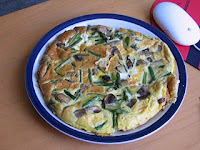 CHG: Roasted Asparagus with Poached Egg & Parmesan
Food Network: Asparagus, Canadian Bacon, and Cheese Frittata
Use egg whites for a lighter dish.
Kalyn’s Kitchen: Asparagus and Tomato Frittata with Havarti and Dill
Sub in a few egg whites and reduce the cheese for a lighter dish.
Kalyn’s Kitchen: Breakfast Casserole with Asparagus, Mushrooms, and Cheese
Sub in a few egg whites for a lighter dish.
Real Simple: Asparagus and Soft Eggs on Toast
Use four eggs and 1/3rd of the olive oil for a lighter meal
Real Simple: Asparagus Spinach Pancakes
Halve the oil (at least) and use a nonstick skillet.
MAINS – CARNIVORE
Eating Well: Chili-Rubbed Tilapia with Asparagus and Lemon
Eating Well: Wok-Seared Chicken Tenders with Asparagus and Pistachios
Everyday Food: Chicken and Asparagus Rolls
Everyday Food: Sauteed Chicken with Asparagus and Mushrooms
RecipeZaar: Thai Rice Noodles with Chicken and Asparagus
Simply Recipes: Flank Steak Stir Fry with Asparagus and Red Peppers
MAINS – VEGETARIAN
101 Cookbooks: Asparagus Stir-Fry
101 Cookbooks: In a Hurry Green Curry
All Recipes: Asparagus and Goat Cheese Quesadillas
All Recipes: Fresh Asparagus Risotto
Cooking Light: Chili-Glazed Tofu over Asparagus and Rice
Cooking Light: Lemon Risotto with Asparagus
Everyday Food: Grilled Pizzas with Asparagus and Sun-Dried Tomatoes
Use low-fat ricotta.
Everyday Food: Polenta Wedges with Asparagus and Mushrooms
FatFree Vegan Kitchen: Polenta with Lemony Asparagus and Chickpeas
RecipeZaar: Baked Asparagus Spinach Risotto
PASTA
CHG: Whole Wheat Pasta with Asparagus and Turkey Sausage
Cooking Light: Linguine with Asparagus, Parmesan, and Bacon
Cooking Light: Straw and Hay Alfredo with Roasted Asparagus
 Eating Well: Creamy Asparagus Pasta
Everyday Food: Asparagus, Snap Pea, and Avocado Pasta
Everyday Food: Spaghetti with Shaved Asparagus
Real Simple: Pasta Salad with Asparagus and Lemon
SALADS - GRAINS
101 Cookbooks: Spring Tabbouleh
Reduce walnuts for a lighter dish.
101 Cookbooks: Ten-Minute Tasty Asparagus and Brown Rice
Add the dressing only as needed for a lighter dish.
All Recipes: Asparagus Cashew Rice Pilaf
All Recipes: Asparagus, Feta, and Couscous Salad
RecipeZaar: Asparagus Pilaf Rice
SALADS - VEGGIE
101 Cookbooks: Asparagus Salad
CHG: Chlorophyll and Awesomeness Salad
Epicurious: Asparagus and Mushroom Salad with Shaved Parmesan
Epicurious: Asparagus Salad with Sweet Balsamic Vinegar
Epicurious: Roasted Asparagus Salad with Tangerine Dressing
Kalyn’s Kitchen: Salad with Asparagus, Cherry Tomatoes, Kalamata Olives, and Feta
Ooo … this looks good.
RecipeZaar: Strawberry Asparagus Salad
SIDES
CHG: Roasted Asparagus with Balsamic Browned Butter
CHG: Roasted Asparagus and Chickpeas
CHG: Steamed Asparagus
All Recipes: Asian Asparagus Salad with Pecans
All Recipes: Asparagus with Parmesan Crust
All Recipes: Baked Asparagus with Balsamic Butter Sauce
All Recipes: Cold Asparagus with Prosciutto and Lemon
All Recipes: Grilled Soy Sesame Asparagus

All Recipes: Orange Glazed Asparagus
All Recipes: Sauteed Garlic Asparagus
Cooking Light: Steamed Asparagus with Lemon-Garlic Gremolata
Cooking Light: Asparagus and Sun-Dried Tomato Vinaigrette
Cooking Light: Mustard-Sauced Asparagus with Chopped Egg
Cooking Light: Spicy Roasted Potatoes and Asparagus
Eating Well: Asparagus with Curry Butter
Epicurious: Asparagus, Peas, and Basil
Epicurious: Proscuitto-Wrapped Asparagus with Mint Dressing
Everyday Food: Broccoli, Asparagus, and Snap Peas in Parchment
Everyday Food: Sauteed Scallions, Mushrooms, and Asparagus
FatFree Vegan Kitchen: Wasabi Roasted Asparagus
Food Network/Emeril: Garlic Roasted Asparagus
Kalyn’s Kitchen: Slow-Roasted Asparagus
Real Simple: Honey Lime Asparagus with Goat Cheese
Real Simple: Pan Roasted New Potatoes with Asparagus
RecipeZaar: Feta Asparagus
RecipeZaar: Foil Baked Asparagus
RecipeZaar: Guilt-Free Guacamole (Asparagus)
RecipeZaar: Ginger Sesame Asparagus
RecipeZaar: Roasted Asparagus with Sage and Lemon Butter
RecipeZaar: Sauteed Asparagus with Red Peppers and Olives
RecipeZaar: Sugared Asparagus
RecipeZaar: Apricot-Glazed Roasted Asparagus
RecipeZaar: Asparagus with Thyme
RecipeZaar: Asparagus Provencal
Stephen Cooks: Grilled Asparagus a la Sutherland
SOUPS
All Recipes: Fresh Asparagus Soup
RecipeZaar: Asparagus Orzo Soup
Simply Recipes: Creamy Asparagus Soup
Reduce some of the cream for a lighter soup.
Yum Sugar: Easy Cream-less Asparagus Soup
And that’s it. Any good recipes you know about, sweet readers? Add ‘em in the comments
~~~
If you like this article, you might also find the following pretty useful:
Despite the snow that fell in Syracuse yesterday, spring is pretty much upon us. And along with the warming sun and astronomical pollen count comes that earliest of vegetable bloomers, asparagus.
I don’t know about you guys, but during April and May, I buy as much asparagus as humanly possible. (Perhaps an exaggeration, but you catch my drift.) Whats more, I’m always looking for different ways to prepare it. Because I loves me some roasted shoots, but after awhile, you know – variety, spice of life – all that jazz.
This may be coming a week or two early in some areas, but this compilation of 81 asparagus recipes should keep you in the culinary clear until next year. FYI, the criteria for each chosen dish were as follows:
- It had to include inexpensive, easy-to-find ingredients.
- It had to be healthy according to how we usually do it on this blog. Meaning: mostly made up of whole food ingredients, lower in fat and calories, high in vitamins in minerals, etc.
- If it came from an aggregate recipe site (Cooking Light, All Recipes, etc.), it had to have had a high approval rating from reviewers. If it came from a food blog, I just trust it. We’re trustworthy people, see.
- No Cream of Anything soup or mayonnaise. Because I hate them.
BREAKFAST
CHG: Asparagus, Mushroom and Parmesan Frittata: Basements and Breakfast
CHG: Roasted Asparagus with Poached Egg & ParmesanFood Network: Asparagus, Canadian Bacon, and Cheese Frittata
Use egg whites for a lighter dish.
Kalyn’s Kitchen: Asparagus and Tomato Frittata with Havarti and Dill
Sub in a few egg whites and reduce the cheese for a lighter dish.
Kalyn’s Kitchen: Breakfast Casserole with Asparagus, Mushrooms, and Cheese
Sub in a few egg whites for a lighter dish.
Real Simple: Asparagus and Soft Eggs on Toast
Use four eggs and 1/3rd of the olive oil for a lighter meal
Real Simple: Asparagus Spinach Pancakes
Halve the oil (at least) and use a nonstick skillet.
MAINS – CARNIVORE
Eating Well: Chili-Rubbed Tilapia with Asparagus and Lemon
Eating Well: Wok-Seared Chicken Tenders with Asparagus and Pistachios
Everyday Food: Chicken and Asparagus Rolls
Everyday Food: Sauteed Chicken with Asparagus and Mushrooms
RecipeZaar: Thai Rice Noodles with Chicken and Asparagus
Simply Recipes: Flank Steak Stir Fry with Asparagus and Red Peppers
MAINS – VEGETARIAN
101 Cookbooks: Asparagus Stir-Fry
101 Cookbooks: In a Hurry Green Curry
All Recipes: Asparagus and Goat Cheese Quesadillas
All Recipes: Fresh Asparagus Risotto
Cooking Light: Chili-Glazed Tofu over Asparagus and Rice
Cooking Light: Lemon Risotto with Asparagus
Everyday Food: Grilled Pizzas with Asparagus and Sun-Dried Tomatoes
Use low-fat ricotta.
Everyday Food: Polenta Wedges with Asparagus and Mushrooms
FatFree Vegan Kitchen: Polenta with Lemony Asparagus and Chickpeas
RecipeZaar: Baked Asparagus Spinach Risotto
PASTA
CHG: Whole Wheat Pasta with Asparagus and Turkey Sausage
Cooking Light: Linguine with Asparagus, Parmesan, and Bacon
Cooking Light: Straw and Hay Alfredo with Roasted Asparagus
Eating Well: Creamy Asparagus PastaEveryday Food: Asparagus, Snap Pea, and Avocado Pasta
Everyday Food: Spaghetti with Shaved Asparagus
Real Simple: Pasta Salad with Asparagus and Lemon
SALADS - GRAINS
101 Cookbooks: Spring Tabbouleh
Reduce walnuts for a lighter dish.
101 Cookbooks: Ten-Minute Tasty Asparagus and Brown Rice
Add the dressing only as needed for a lighter dish.
All Recipes: Asparagus Cashew Rice Pilaf
All Recipes: Asparagus, Feta, and Couscous Salad
RecipeZaar: Asparagus Pilaf Rice
SALADS - VEGGIE
101 Cookbooks: Asparagus Salad
CHG: Chlorophyll and Awesomeness Salad
Epicurious: Asparagus and Mushroom Salad with Shaved Parmesan
Epicurious: Asparagus Salad with Sweet Balsamic Vinegar
Epicurious: Roasted Asparagus Salad with Tangerine Dressing
Kalyn’s Kitchen: Salad with Asparagus, Cherry Tomatoes, Kalamata Olives, and Feta
Ooo … this looks good.
RecipeZaar: Strawberry Asparagus Salad
SIDES
CHG: Roasted Asparagus with Balsamic Browned Butter
CHG: Roasted Asparagus and Chickpeas
CHG: Steamed Asparagus
All Recipes: Asian Asparagus Salad with Pecans
All Recipes: Asparagus with Parmesan Crust
All Recipes: Baked Asparagus with Balsamic Butter Sauce
All Recipes: Cold Asparagus with Prosciutto and Lemon
All Recipes: Grilled Soy Sesame Asparagus
All Recipes: Orange Glazed Asparagus
All Recipes: Sauteed Garlic Asparagus
Cooking Light: Steamed Asparagus with Lemon-Garlic Gremolata
Cooking Light: Asparagus and Sun-Dried Tomato Vinaigrette
Cooking Light: Mustard-Sauced Asparagus with Chopped Egg
Cooking Light: Spicy Roasted Potatoes and Asparagus
Eating Well: Asparagus with Curry Butter
Epicurious: Asparagus, Peas, and Basil
Epicurious: Proscuitto-Wrapped Asparagus with Mint Dressing
Everyday Food: Broccoli, Asparagus, and Snap Peas in Parchment
Everyday Food: Sauteed Scallions, Mushrooms, and Asparagus
FatFree Vegan Kitchen: Wasabi Roasted Asparagus
Food Network/Emeril: Garlic Roasted Asparagus
Kalyn’s Kitchen: Slow-Roasted Asparagus
Real Simple: Honey Lime Asparagus with Goat Cheese
Real Simple: Pan Roasted New Potatoes with Asparagus
RecipeZaar: Feta Asparagus
RecipeZaar: Foil Baked Asparagus
RecipeZaar: Guilt-Free Guacamole (Asparagus)
RecipeZaar: Ginger Sesame Asparagus
RecipeZaar: Roasted Asparagus with Sage and Lemon Butter
RecipeZaar: Sauteed Asparagus with Red Peppers and Olives
RecipeZaar: Sugared Asparagus
RecipeZaar: Apricot-Glazed Roasted Asparagus
RecipeZaar: Asparagus with Thyme
RecipeZaar: Asparagus Provencal
Stephen Cooks: Grilled Asparagus a la Sutherland
SOUPS
All Recipes: Fresh Asparagus Soup
RecipeZaar: Asparagus Orzo Soup
Simply Recipes: Creamy Asparagus Soup
Reduce some of the cream for a lighter soup.
Yum Sugar: Easy Cream-less Asparagus Soup
And that’s it. Any good recipes you know about, sweet readers? Add ‘em in the comments
~~~
If you like this article, you might also find the following pretty useful:
- 156 Cheap, Healthy Recipes for Ten Common Leftover Herbs
- Cheap, Healthy Leafy Greens: 246 Recipes for Cabbage, Kale, Spinach, Swiss Chard, and Beyond
- Cheap, Healthy Salad Dressing: 102 Light Recipes
6 How to insert vegetables in the diet
Tuesday, February 11, 2014
6 How to insert vegetables in the diet - Vegetables should be consumed each day in order to maintain health. But most of us would not have time reasoned, bored, and so he left the vegetables in the diet. So try to see how to insert vegetables in the diet as reported by the Huffington Post following.
Made cakes
Try giving green vegetables, such as spinach, the muffin. Taste of blueberry muffins or chocolate will not make you taste the spinach though there are vegetables in it. Another cake like brownies can be a bit of vegetables.
Eggs
When frying eggs or process them into omelets, do not forget to mix it with the kale. Kale can be chopped thin and enjoyed with a fried egg in the morning. Absolutely delicious breakfast full of nutrition.
Noodles or pasta
Love to eat pasta or noodles? Add fresh basil or other vegetables such as spinach in it. Vegetables can also be mixed in a lasagna. Besides being delicious, the food becomes more nutritious.
Smoothies
Smoothies are drinks made from fruits or vegetables mixed with sweet condensed milk or yogurt as well as other additional blended until smooth. Smoothies can be enjoyed as a snack or breakfast menu in the morning.
Pizza
Making pizza at home is another healthy believed to enjoy vegetables. Because green vegetables can be inserted along with fresh cheese over the pizza dough.
Soup
You can also make the soup as a compulsory weekly menu at home. So a variety of vegetables mixed together as the soup can be enjoyed by all family members.
Thats how to insert a variety of vegetables in the diet. Good luck!
Made cakes
Try giving green vegetables, such as spinach, the muffin. Taste of blueberry muffins or chocolate will not make you taste the spinach though there are vegetables in it. Another cake like brownies can be a bit of vegetables.
Eggs
When frying eggs or process them into omelets, do not forget to mix it with the kale. Kale can be chopped thin and enjoyed with a fried egg in the morning. Absolutely delicious breakfast full of nutrition.
Noodles or pasta
Love to eat pasta or noodles? Add fresh basil or other vegetables such as spinach in it. Vegetables can also be mixed in a lasagna. Besides being delicious, the food becomes more nutritious.
Smoothies
Smoothies are drinks made from fruits or vegetables mixed with sweet condensed milk or yogurt as well as other additional blended until smooth. Smoothies can be enjoyed as a snack or breakfast menu in the morning.
Pizza
Making pizza at home is another healthy believed to enjoy vegetables. Because green vegetables can be inserted along with fresh cheese over the pizza dough.
Soup
You can also make the soup as a compulsory weekly menu at home. So a variety of vegetables mixed together as the soup can be enjoyed by all family members.
Thats how to insert a variety of vegetables in the diet. Good luck!
Purple Fruits and Vegetables Prevent Brain Aging and Alzheimers Disease
Monday, February 3, 2014
(Article first published as The Color Purple Helps Prevent Brain Aging and Dementia on Technorati.)
 The world of natural science is rapidly painting a clear picture that helps us better understand the underlying mechanism behind devastating diseases including Alzheimer’s, Parkinson’s and Multiple Sclerosis and conditions that lead to preventable brain aging. Researchers are revealing that these illnesses develop as a result of poor dietary and lifestyle choices and can be prevented by adopting a raw, organic diet including plenty of purple colored fruits and vegetables.
 In order to protect yourself from these damaging iron particles it’s necessary to ensure a healthy intake of binding nutrients known as iron chelators. Purple fruits and vegetables are a particularly potent source of compounds that bind tightly with iron to neutralize their effect on the brain. Blueberries, acai berries and green tea have been cited as excellent foods that help protect the brain.
 A significant pathway that leads to declining brain health occurs when the normal cellular housekeeping cycle is disrupted in a process known as autophagy. Researchers from the USDA`s Human Nutrition Research Center on Aging have found that berry extracts can enhance the process in aging adults in part due to their powerful antioxidant properties.
Study Implicates Unbound Iron with Declining Brain Health
Excess iron in the blood is associated with an increased risk for heart disease and heart attack and new research now highlights the metal with a decline in brain health. The result of a study published in the journal Archives of Toxicology shows that the brain is particularly sensitive to unbound iron that crosses the blood-brain barrier to cause free radical damage as well as toxins known as hydroxyl radicals.
Purple Berries and Green Tea are Excellent Iron Chelators
This study underscores the importance of avoiding red meat as a source of unbound iron in the diet. Most of the iron in red meat is unbound and freely released into the blood where it can wreak havoc throughout the body. Conversely, vegetarian sources of iron such as leafy greens and spinach are tightly bound with fiber and do not elevate iron levels. The study author noted that the antioxidant effect of vitamin C is negated with high levels of unbound iron and is dramatically improved with a diet high in vegetables and fruits.
Acai Berry Extract Shown to Improve Brain Housekeeping
Anthocyanins in the skins of the berry protect against the pro-inflammatory agents including COX-2 and TNF-alpha. The researchers conclude ‘these results suggest that acai may contribute to ‘health span’ in aging, as it is able to combat some of the inflammatory and oxidative mediators of aging at the cellular level’. Acai berries can be consumed in their natural form, as a concentrated drink or as a supplemented extract.
The purple compounds found in the skins of many fruits and vegetables are important to brain health as they are able to cross the critical blood-brain barrier. Extensive research demonstrates that these chemical structures help to reduce brain inflammation and bind with iron to protect sensitive brain cells. Be certain to include a variety of purple foods to naturally protect your brain and lower your risk from devastating diseases that threaten your ability to walk, learn, think and make new memories.
Potatoes vegetables are healthy cheap
Monday, January 27, 2014
Potatoes, vegetables are healthy cheap - Speaking of vegetables, potato is actually one of the most nutritional vegetables with good, according to research published in the journal PLoS ONE.
Dr. Adam Drewnowski, Director of Nutritional Sciences Program at the University of Washington to be exact conduct in-depth research on 98 different types of vegetables with his team. The vegetables include five sub-groups, such as dark green, orange or red, mealy, beans, and other vegetables.
Dr. Drewnowski and then using the data profiling method nutrition and food prices to achieve affordability index of purchasing power. As a result, green leafy vegetables does have the highest nutrition scores, but starchy vegetables (potatoes one) and beans is equally healthy and more accessible.
According to the researchers, the potato is one of the best sources of potassium (as nuts). Potatoes are also rich in fiber, vitamin C, and magnesium. All the nutrients that can be obtained by buying the cheap vegetables.
"People are always reminded to eat healthy. However they complain about the price of vegetables are expensive. Fact, potatoes are no less healthy at the same time easy to reach," said Dr. Drewnowski, as quoted from Red Orbit.
Previously, a study was never mentioned that potato consumption is associated with increased levels of potassium in the body.
Potassium itself is one of the nutrients that can help the body control blood pressure. As you know, high blood pressure is closely linked to risk of heart disease and stroke.
Dr. Adam Drewnowski, Director of Nutritional Sciences Program at the University of Washington to be exact conduct in-depth research on 98 different types of vegetables with his team. The vegetables include five sub-groups, such as dark green, orange or red, mealy, beans, and other vegetables.
Dr. Drewnowski and then using the data profiling method nutrition and food prices to achieve affordability index of purchasing power. As a result, green leafy vegetables does have the highest nutrition scores, but starchy vegetables (potatoes one) and beans is equally healthy and more accessible.
According to the researchers, the potato is one of the best sources of potassium (as nuts). Potatoes are also rich in fiber, vitamin C, and magnesium. All the nutrients that can be obtained by buying the cheap vegetables.
"People are always reminded to eat healthy. However they complain about the price of vegetables are expensive. Fact, potatoes are no less healthy at the same time easy to reach," said Dr. Drewnowski, as quoted from Red Orbit.
Previously, a study was never mentioned that potato consumption is associated with increased levels of potassium in the body.
Potassium itself is one of the nutrients that can help the body control blood pressure. As you know, high blood pressure is closely linked to risk of heart disease and stroke.
Subscribe to:
Posts (Atom)

