Showing posts with label works. Show all posts
Showing posts with label works. Show all posts
Which Diet Works Best
Wednesday, May 21, 2014
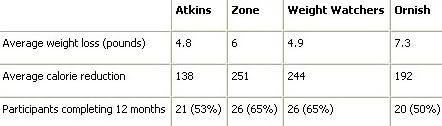
Thats a popular question around here. Rather than try to argue the merits of one diet over another, Ill point you to a study that appeared in a January 2005 issue of the Journal of the American Medical Association.
The researchers compared the effectiveness of 4 popular diets:
They found all diets produced a modest weight loss, and all improved scores of cardiovascular health (the more weight the subject lost, the lower his cholesterol, C-reactive protein, and insulin levels) - as long as the participant stuck with the diet. The more extreme diets such as Atkins and Ornish had the greatest drop-out rates.
Maria Adams, author of the summary article Ive linked below, included this comparison table:
________
For a summary of the study:
Atkins, Ornish, Weight Watchers, and Zone Diets: A Comparison
For the study itself (abstract only, subscription required for full article):
Comparison of the Atkins, Ornish, Weight Watchers, and Zone Diets for Weight Loss and Heart Disease Risk Reduction
The researchers compared the effectiveness of 4 popular diets:
- Atkins (low carbohydrate)
- Ornish (low fat)
- Weight Watchers (calorie restriction)
- Zone (carb/protein/fat balance)
They found all diets produced a modest weight loss, and all improved scores of cardiovascular health (the more weight the subject lost, the lower his cholesterol, C-reactive protein, and insulin levels) - as long as the participant stuck with the diet. The more extreme diets such as Atkins and Ornish had the greatest drop-out rates.
Maria Adams, author of the summary article Ive linked below, included this comparison table:
For a summary of the study:
Atkins, Ornish, Weight Watchers, and Zone Diets: A Comparison
For the study itself (abstract only, subscription required for full article):
Comparison of the Atkins, Ornish, Weight Watchers, and Zone Diets for Weight Loss and Heart Disease Risk Reduction


How The System Of Human Body works
Saturday, April 26, 2014
Have you ever wondered about how the human body works? Many of us are born, live, and grow old, without even knowing how our body works and we never ever really try to know. Our body is an amazing creation. Knowing about our body, and how it works, can help you maintain a strong, healthy body and live a better life.
The human body is like a fully automatic complex machine, with many little parts that work by themselves or with other parts to perform specific functions. Sometimes, it seems like our body has a mind of its own and it embarrasses you. So it’s important to know your body so you can recognize what is normal body behavior and what is not. If there is a problem with how your body works, by recognizing that there is a problem, you can take steps to fix it or get help.
Your body is comprised of tiny microscopic cells. Your body is made up of trillions of them. That is more than 1,000,000,000,000 cells! Cells are so small you cannot see them without a microscope. Cells are very important as they produce energy required for daily activities, or hold the coded instructions for everything from the color of your hair to whether you have freckles or not. Cells differentiate from each other to perform different, important tasks within the body. For example, some cells might become brain cells while others make bone, and red blood cells carry oxygen throughout the body, while white blood cells fight infection.
When a group of cells work together to perform a specific function, they are called tissue. There are four types of tissue within the body. The first, epithelial tissue protects the body and the organs by forming a protective outer layer. The skin, which is an example of epithelial tissue, is the first line of defense against infections.
Nerve tissue carries messages from the brain to the rest of your body by sending electrical impulses. The electrical impulses tell the muscles when to contract and affect everything from the beating of your heart to the wiggling of your toes.
Muscle tissue functions in movement because the muscle cells contract, shorten and relax. Muscle cells know when to contract or shorten because they receive electrical signals from nerve tissue.
Finally, connective tissue holds the body together, provides support, insulation, and protection. Bones, tendons, and ligaments are all examples of connective tissue.
When two or more types of tissues work together to perform any specific task it is called an organ. An organ system is formed when two or more organs work together to perform a larger task. The mouth, throat, stomach, large and small intestines, liver, pancreas, and gallbladder all work together, as the digestive system, to process the food we eat so that our cells can absorb the nutrients and convert it into energy.
Like this, there are many systems in the body, such as the skeletal, muscular, circulatory, nervous, digestive, immune, respiratory, urinary, and reproductive systems and they all interact with each other every second of our lives. Without these systems, humans would not be able to grow, maintain life, and reproduce.
Every machine requires fuel to work efficiently, your body being a fully automatic machine runs entirely on minerals and water. As an incredibly powerful solvent in your body, the hydrogen molecules in pure water provide nutrients in the form of energy to your cells and remove discarded, used energy. Without regular replacement of the water in your body, the cells will die, and so will your body. Likewise, without replacing essential trace minerals systematically in the correct, water soluble, ionic form, the cells will malfunction, become weak and fatally diseased.
Calcium, magnesium, phosphorus, potassium, and sodium are the five essential or major minerals for your body. Other important trace elements consist of chromium, copper, iodine, iron, manganese, and zinc. Additionally, selenium plays a key role in the maintenance of good health. Other trace elements like sulphur, nickel, cobalt, fluorine, oxygen, carbon, hydrogen, and nitrogen also have a part to play in your wellbeing. The human body depends upon 84 of the known 106 elements to maintain optimum health, many more than are now recognized.
Your body can do amazing things if it has the proper fuelo materials. For example, your body can grow, repair and heal itself if you provide it with essential nutrition and proper physical exercise. Vitamins are a major component of essential nutrition. Your body requires certain vitamins to function correctly. Without them, your body simply does not work properly.
Essential Vitamins
Essential vitamins are those that your body needs to get from foods because it is not able to make them on its own. There are 13 vitamins that are considered essential for proper body function. These include the B-vitamins and vitamins A, C, D, E and K. The B vitamins are thiamine, riboflavin, niacin, pantothenic acid, biotin, vitamin B6, vitamin B12 and folate. Each of the essential vitamins is used by your body for different processes and help with different systems, including your immune system, nervous system, and cardiovascular system.
Sources
Vitamins are best absorbed by the body when they come from whole and natural food sources. Vitamin supplements are helpful but not a good substitute for your childs balanced diet. The USDA recommends a diet centered on fruits and vegetables with whole grains, lean meats and dairy products to serve your childs nutritional needs. Some good sources of Vitamins A through K are: milk, cheese, eggs, whole wheat, oatmeal, spinach, legumes, kale, meat, fish, citrus fruits, bell peppers, broccoli, tomatoes, peaches, cantaloupe and mangoes.
Vitamin K plays an important role to strengthen the bones, avoid blood clotting and prevent hardening of arteries. Dark, leafy vegetables are good source of Vitamin K.
Vitamin C is an antioxidant vitamin that is believed to protect the brain from damage caused by Alzheimer. It helps you to tackle stress better and also protects you from common cold. A glass of Orange juice, citrus fruits, bell peppers, kiwifruit, papaya, broccoli, dark leafy greens and strawberries will provide you Vitamin C.
The antioxidant Vitamin E fights free radicals and reduces risk of heart disease, stroke and Alzheimer. Daily intake of nuts and seeds such as almonds and sunflower seeds will provide you Vitamin E.
Potassium helps to maintain blood pressure. It also helps reduce your risk of stroke. Beans, potatoes, sweet potatoes, bananas, dried fruits, winter squash, cantaloupe, kiwi, orange juice, prune juice and avocados are good sources of Potassium.
The human body is like a fully automatic complex machine, with many little parts that work by themselves or with other parts to perform specific functions. Sometimes, it seems like our body has a mind of its own and it embarrasses you. So it’s important to know your body so you can recognize what is normal body behavior and what is not. If there is a problem with how your body works, by recognizing that there is a problem, you can take steps to fix it or get help.
 |
| The Amazing Human Body |
When a group of cells work together to perform a specific function, they are called tissue. There are four types of tissue within the body. The first, epithelial tissue protects the body and the organs by forming a protective outer layer. The skin, which is an example of epithelial tissue, is the first line of defense against infections.
Nerve tissue carries messages from the brain to the rest of your body by sending electrical impulses. The electrical impulses tell the muscles when to contract and affect everything from the beating of your heart to the wiggling of your toes.
Muscle tissue functions in movement because the muscle cells contract, shorten and relax. Muscle cells know when to contract or shorten because they receive electrical signals from nerve tissue.
Finally, connective tissue holds the body together, provides support, insulation, and protection. Bones, tendons, and ligaments are all examples of connective tissue.
When two or more types of tissues work together to perform any specific task it is called an organ. An organ system is formed when two or more organs work together to perform a larger task. The mouth, throat, stomach, large and small intestines, liver, pancreas, and gallbladder all work together, as the digestive system, to process the food we eat so that our cells can absorb the nutrients and convert it into energy.
Like this, there are many systems in the body, such as the skeletal, muscular, circulatory, nervous, digestive, immune, respiratory, urinary, and reproductive systems and they all interact with each other every second of our lives. Without these systems, humans would not be able to grow, maintain life, and reproduce.
Every machine requires fuel to work efficiently, your body being a fully automatic machine runs entirely on minerals and water. As an incredibly powerful solvent in your body, the hydrogen molecules in pure water provide nutrients in the form of energy to your cells and remove discarded, used energy. Without regular replacement of the water in your body, the cells will die, and so will your body. Likewise, without replacing essential trace minerals systematically in the correct, water soluble, ionic form, the cells will malfunction, become weak and fatally diseased.
Calcium, magnesium, phosphorus, potassium, and sodium are the five essential or major minerals for your body. Other important trace elements consist of chromium, copper, iodine, iron, manganese, and zinc. Additionally, selenium plays a key role in the maintenance of good health. Other trace elements like sulphur, nickel, cobalt, fluorine, oxygen, carbon, hydrogen, and nitrogen also have a part to play in your wellbeing. The human body depends upon 84 of the known 106 elements to maintain optimum health, many more than are now recognized.
Your body can do amazing things if it has the proper fuelo materials. For example, your body can grow, repair and heal itself if you provide it with essential nutrition and proper physical exercise. Vitamins are a major component of essential nutrition. Your body requires certain vitamins to function correctly. Without them, your body simply does not work properly.
Essential Vitamins
Essential vitamins are those that your body needs to get from foods because it is not able to make them on its own. There are 13 vitamins that are considered essential for proper body function. These include the B-vitamins and vitamins A, C, D, E and K. The B vitamins are thiamine, riboflavin, niacin, pantothenic acid, biotin, vitamin B6, vitamin B12 and folate. Each of the essential vitamins is used by your body for different processes and help with different systems, including your immune system, nervous system, and cardiovascular system.
Sources
Vitamins are best absorbed by the body when they come from whole and natural food sources. Vitamin supplements are helpful but not a good substitute for your childs balanced diet. The USDA recommends a diet centered on fruits and vegetables with whole grains, lean meats and dairy products to serve your childs nutritional needs. Some good sources of Vitamins A through K are: milk, cheese, eggs, whole wheat, oatmeal, spinach, legumes, kale, meat, fish, citrus fruits, bell peppers, broccoli, tomatoes, peaches, cantaloupe and mangoes.
Vitamin K plays an important role to strengthen the bones, avoid blood clotting and prevent hardening of arteries. Dark, leafy vegetables are good source of Vitamin K.
Vitamin C is an antioxidant vitamin that is believed to protect the brain from damage caused by Alzheimer. It helps you to tackle stress better and also protects you from common cold. A glass of Orange juice, citrus fruits, bell peppers, kiwifruit, papaya, broccoli, dark leafy greens and strawberries will provide you Vitamin C.
The antioxidant Vitamin E fights free radicals and reduces risk of heart disease, stroke and Alzheimer. Daily intake of nuts and seeds such as almonds and sunflower seeds will provide you Vitamin E.
Potassium helps to maintain blood pressure. It also helps reduce your risk of stroke. Beans, potatoes, sweet potatoes, bananas, dried fruits, winter squash, cantaloupe, kiwi, orange juice, prune juice and avocados are good sources of Potassium.
The Eating Philosophy That Works for You!
Thursday, April 24, 2014
Hi,
I have been continuing to listen to "The Great Health Debate" that has been going on this week at http://www.renegadehealth.com/ghd/blog/ -- I believe that today is the last day and you can still listen to last nights program today for free. Kevin Gianni, the organizer and host, has made the interviews available during the debate for free for twenty-four hours but after that if you want to listen you have to buy the DVDs. Being low on cash I have been listening every afternoon to the tapes that were made the night before. I think that the tape for tonight and tomorrow is the last one and I also think it is a "recap" with two experts who will try to guide folks on what to conclude from all of this information.
I, for one, am glad to have had the opportunity to hear these experts in this way. There is such a wealth of information about eating food, in general. I think the take away from all of this is that each individual is unique and needs to find the eating program that works for them. The hard part is that in order to do this you have to do a lot of "trial and error" and what if you try out the wrong thing and end up worse off than when you started?
I actually did that during the nineties. I have related before in the blog about how I followed the McDougal high carbohydrate/low fat diet during the nineties and I lost a lot of weight but that was when my feet and ankles started swelling up every day. I think the only way you can make any kind of an educated guess about where to begin or which program to follow (vegetarian, vegan, carnivore, omnivore) will depend on your particular health needs. There is a lot of philosophy associated with each type of program, too.
Beliefs often have a strong pull for some people. If they abhor being cruel to animals they may likely choose veganism. But human history does not bear out that this is a good way to go. Many of the folks on the program have pointed out that simply being "vegan" covers a very wide range of individual diets. The strictest sense of the word vegan is that animal products are avoided -- but a diet of Twinkies is a vegan diet and that cannot be good. So there has to be some kind of a middle ground.
If you eat too much fruit you can ruin your teeth. If you are a diabetic or getting close to diabetes type II then a lot of fruit will help to push you fully into type two diabetes. If you are not insulin resistant then fruit will be a healthy choice for you, but it certainly will not work for everyone.
I am tending to lean toward the omnivore diet which means a person who eats both meat or animal products plus lots of healthy vegetables (minus the fruit for me). I still think that grain is not good, even though on the McDougal program I did lose weight eating grains. That swelling was a huge indicator that something was wrong in that program for me. I still dont know the mechanism behind the swelling but do know that when I tried Atkins very high fat/ high protein diet for a time the swelling went away.
I have been attempting, not too very successfully, to do the raw food diet. I say not very successfully because I simply crave starches on the program that I have been following which makes it hard for me to follow -- which, in itself, is discouraging. I also keep dropping out the exercise -- which, by the way, I have started to do again.
I really like the fact that I now consume a whole lot more raw vegetables (a variety of lettuces, tomatoes, cucumber, broccoli sprouts, radishes, zucchini, spinach, celery, green peppers, avocado, cauliflower, broccoli, cabbage, etc.) and only a very minimal amount of grains (only when I binge eat, and I even try to avoid grains when I am pushed by my cravings). I think that has got to be good for my health.
I am going to see the doctor again on Tuesday and have no real idea what my blood work will show this time. I am hoping that my A1c will have begun to come down again, and the uric acid, too. I took the 30 days worth of alopurinol (sp?) for the uric acid but am leary of filling the prescription again since my brother told me his doctor used to prescribe that for him because in the end it actually causes high uric acid levels. I have been taking the milk thistle that he said his doctor recommended. I am also taking hawthorne berry for the HBP. I just measured my BP and it is 148/87 -- still lower than it was and higher than normal. A range that is not too bad, I think. I would like it lower but have not been able to accomplish that, yet. The hawthorne berry seems to keep me at the same level that the Losartin did and it is a lot cheaper -- even with the copay. I consider that a success.
My blood sugar is 114 after having eaten a very large salad, a hard boiled egg, and two small 1/2 cups of sunflower seeds mixed with almonds and walnuts to which I have added some spices but no longer am adding olive oil. The big change I have made in the last couple of days is to drop out the olive oil for a time from both my salad dressing and the nut mixture I was eating.
As I listened to the health debate I heard one of the people say that oil is a processed food, by definition. That one struck me as very true. I began to think and realized that a bottle of oil has been processed in some way to extract the oil out of the food in which it was originally contained. Some manufacturers cold press it, some heat process it, but before it gets to my table it has been sitting on a grocery shelf, and in storage and where ever else it has been. It is definitely not a "whole food." It could be many weeks old or even many months old when I purchase it. So maybe it is better to get my olive oil from the olives but where would I get fresh olives to do that? I can get oil in the nuts I eat and in avocados and also from animal sources. Eggs have some fat. Meat has fat. Our bodies do need fat. Saturated fat has lost its stigma in my mind from the new research that has been done. Dr Atkins used to point out that the heart is a muscle that needs saturated fat for its health! This can be gotten from coconut oil or butter. Our bodies need some saturated fat.
I am still kind of stuck on the idea of salad dressing for my salad but have replaced the olive oil in my recipe with plain water. It is not as thick as it was, but the flavor is still good. I make it from either apple cider vinegar or red wine vinegar that has been infused with pomegranite -- and yes I realize this is a processed food, but it is a fermented food and my doctor has actually prescribed that I take in two tablespoons per day. To the vinegar/water solution I add some prepared brown mustard and some liquid aminos. This adds a real punch of flavor because it is both spicy and salty. Who knows I may have to put an end to that at some point but right now, Im only dropping out the olive oil, just to see what happens for me.
One of the authors (Dr. Alan Goldhamer of www.healthpromoting.com) who promotes a vegan lifestyle for health and healing also spoke about his book called "The Pleasure Trap" which deals with cravings. I am interested in reading this book because I have such a problem with cravings. Id love to try out his program where you can go and stay at their facility for a certain amount of time and go through water fasts to let your body heal and then they reintroduce you to a vegan diet. The two things that keep me from trying it out is the $139 per night cost and the idea of "vegan." I am not sure I am sold on vegan any more.
All the information is so conflicting. How can you balance the fact that Eskimos eat only high fat, high protein animal foods and are perfectly healthy and Peruvian natives live mostly on thirty varieties of potatoes and are also perfectly healthy. Maybe it is not the food!
It seems that all you can do is try out the information you have been given and see what happens for you. It really helps to have doctor who is willing to test your blood so you can actually monitor your health reactions. You really have to make it work for yourself. If it does not work for you, you wont do it. At some point you will abandon your experiment and return to the standard American diet -- at least that is common -- if your program does not really work for you or is too hard to follow.
One thing for sure is that you have to find what works for you. Something you can do without stressing yourself out about it. Something that makes sense, promotes your own health and that you will and can stick to. I am still searching and trying.
Hope all is well for you,
Be back soon
--Marcia
Subscribe to:
Posts (Atom)


