Showing posts with label weight. Show all posts
Showing posts with label weight. Show all posts
Reading Nutrition Labels to Assist Weight Loss
Wednesday, May 21, 2014
(Article first published as Reading Nutrition Labels Assists Weight Loss, Improves Health on Technorati.)
 The information you need to avoid foods which will encourage weight gain or promote poor health is required reading on every nutrition label. The problem is many people are unable to decode the gibberish and misleading terms used to disguise the worst food ingredients. It seems as though there should be a special encyclopedia to help the consumer avoid the most dangerous health degrading components of their favorite processed food staples.
 Food manufacturers use very subtle deception to make you think their food is lower in calories at a quick glance. They post unrealistic serving sizes to make the calories appear less, with the knowledge that most people will eat much more than the paltry serving size listed.
 Many people with an interest in their health are avoiding added sugar and high fructose corn syrup when they read nutritional labels, understanding that these additives cause metabolic imbalance and lead to weight gain. Manufacturers know this and now want to be able to call high fructose corn syrup simply corn sugar on nutritional labels. This is yet another example of the deceitful marketing tactics which are permitted to continue, making it difficult to avoid dangerous chemicals in our food supply.
Finding the Proper Tools to Assist Weight Loss
Of course, the best rule of thumb would be to eat food in their natural form, easily avoiding all the deadly sugar and processed carbs and chemicals hiding in most foods. Foods which will help you drop weight and promote health don’t have an ingredient list or use names which are difficult to pronounce. The reality is that foods manufactured in a food laboratory are a part of our diet, and we need to become savvy about what is in the foods we eat to preserve health and lose weight.
The results of a study published in the Journal of Consumer Affairs, found that people who want to lose weight are much more likely to read nutrition labels, and note that this may have an even larger impact on weight loss than regular exercise. There is still much confusion about serving size, sugar and carbohydrate content and ingredient listing for many who try to decipher the typical nutrition label. Understanding the buzz words to watch for will help you to drop weight and naturally promote health.
Tip 1: Watch Calories per Serving
Look caully when purchasing at the store and be certain you understand that often the calories listed in bold are most likely half of what you will end up eating. Once you realize how quickly most processed foods add on the calories, you’ll want to substitute fruit, vegetables, or a reduced calorie option to hit your daily target.
Tip 2: Trans Fat, Saturated Fat and Cholesterol
The fat category creates much confusion for many consumers. We have been so conditioned by pharmaceutical ads to avoid cholesterol that we end up choosing high carb, low fat foods which ruin health. Saturated fats and cholesterol from foods are not the problem, and do not contribute to poor health or excess weight as long as they are eaten uncooked and accounted for as part of your daily caloric goal. Trans fats should be avoided entirely, and be sure to watch for hydrogenated fats on the label. There is no safe level of these deadly fats which increase your risk of heart disease by 25%.
Tip 3: Sugar, High Fructose Corn Syrup and Corn Sugar
Reading nutritional labels is becoming an important tool used my many weight and health conscious consumers. Look at every label before you purchase, with a watchful eye for serving size, trans fats and high fructose corn syrup and learn the variety of names these ingredients lurk behind. By eliminating poor food choices, you’ll be able to reach your weight loss target quicker and avoid the health pitfalls of eating a diet high in artificial chemicals.


Motivation Key to Weight Loss Success
Monday, May 19, 2014
(Article first published as Motivation Speeds Weight Loss Results, Keeps Weight Off on Technorati.)

Recent research released from The Journal of Medical Internet Research indicates that people who have lost weight were more than twice as likely to keep the weight off if they kept track of their progress using an online recording system.
This is consistent with studies demonstrating that people lose weight more consistently and faster when they keep a dairy to record all foods eaten each day. Aside from diet and exercise, there are several important steps to help motivate your mind and hit your ideal weight target.
Step 1: The Power of Motivation to Lose Weight
People are much more likely to achieve and maintain their weight loss goal when they’re motivated by others. Losing weight significantly reduces the risk of sudden death from a heart attack, diabetes, stroke, dementia and many cancers, yet many people never attain or maintain their weight goal. The motivation provided by a friend or family member is the missing key to weight loss success for many.
Before beginning your weight loss journey, find somebody who will be able to encourage you when you hit the inevitable low point or plateau in your quest. The encouragement they’ll provide is invaluable, providing the strength and psychological boost to continue toward success. Interestingly, researchers have found that people who are financially incentivized to lose weight achieve a 70% success rate, making money a powerful source of motivation.
Step 2: Eat It, Track It and Don’t Cheat

Since many tracking programs break down fat, carb and protein ratios, you’ll find that highly ined carbs are blocking your road to success, as they cause wild blood sugar surges which tip your metabolism toward fat storage. Be honest with yourself by measuring and weighing foods, and enter them to your log either before or immediately after eating.
Step 3: Set a Food Clock

While proper diet and sufficient exercise are an essential part of a successful weight loss plan, it’s also important to incorporate the resources of mind and motivation. Solicit the help of someone who can motivate you, providing encouragement when you stray off track, and use a menu diary and food clock. Get your mind in the game and you’ll find the added support you need to hit your ultimate weight loss goal, and keep it off for life.
Green Tea Boosts Weight Loss and Improves Cardiovascular Health
Sunday, May 18, 2014

Green tea (and its less ined cousin, white tea) has been a part of the ancient Chinese tradition for countless generations, in large part due to its rich endowment of bioactive catechins. Many studies over the past decade have shown that green tea is a powerful tool to improve metabolism in a way that is supportive of weight loss.
Scientists publishing in the Journal of Agricultural Food Chemistrydemonstrate that it activates genes associated with fat burning while also helping to reduce absorption of fat from the digestive tract. Further evidence on the gene-altering activity of green tea is reported in the International Journal of Cardiology, as polyphenols from the drink lower free radical damage to help maintain telomere length in heart cells. Drinking several cups of green tea each day may hold the key to effective weight management and cardiac health.
Green Tea Supplementation Assists Weight Loss by Reducing Abdominal Fat Stores

Researchers from the Departments of Chemical Biology and Pharmacology and Toxicology at Rutgers University in New Jersey examined the effect of green tea supplementation on obese mice, known to exhibit similar metabolic characteristics to humans. The animals were broken into two groups and both were fed a traditional high fat/Western style diet. One group received water supplemented with the green tea bioactive catechin EGCG, while the second group acted as a non-supplemented control.
The study determined that EGCG supplementation significantly reduced body weight gain associated with increased fecal lipids and decreased blood glucose levels compared to those of the control group. Scientists further found that fatty liver incidence, associated liver damage and liver triglyceride levels were also decreased by the EGCG treatment. Treated animals also experienced improved insulin response as well as lowered C-reactive protein (CRP) and interlukin-6 (IL-6) levels, both strong indicators of systemic inflammation and immune response.
EGCG is a Powerful Antioxidant Shown to Increase Heart Muscle Lifespan

The study authors concluded“Our results demonstrate that the high fat/Western diet produces more severe symptoms of metabolic syndrome and that the EGCG treatment can alleviate these symptoms and body fat accumulation. The beneficial effects of EGCG are associated with decreased lipid absorption and reduced levels of inflammatory cytokines.” Green tea helps our cellular engines (mitochondria) to better metabolize calories more efficiently, providing a significant weight management tool.
Additionally, supporting research documents the effect of green tea catechins on extending the lifespan of heart muscle cells. Scientists found that EGCG supplementation exerted a potent antioxidant effect that lowered free radical damage to preserve telomere length and reduce heart cell death. Nutrition experts recommend two to four cups of fresh brewed green tea daily or an organically compounded and standardized EGCG supplement (300 to 500 mg daily) to assist weight management goals and improve cardiovascular health.
Eliminate Soda to Lose Weight
Monday, May 12, 2014
(Article first published as Top Tips to Lose Weight by Eliminating Soda on Technorati.)
 Soda consumption has increased three-fold over the past half century and the addition of high fructose corn syrup in the 70’s has in large part fueled the present obesity epidemic. More than 20% of the sugar in our diet comes from sweetened beverages and nutritional researchers indicate that for every additional daily serving, the risk of obesity increases by a factor of 1.6. Drinking diet soda also hampers weight loss efforts as the artificial chemicals used to sweeten these drinks play havoc with your appetite control hormones, meaning you don’t get the signal to stop eating.
 The impact of sugary drinks and empty calories has caused more than 23 million children and adolescents to fall into the overweight or obese classification. This will have a significant impact on their future health as the risk for many chronic diseases, especially heart disease and diabetes rises dramatically with excess weight.
 Nothing is more reshing and thirst quenching than an ice cold glass of fresh brewed iced tea or a glass of filtered water. Stay away from pre-mixed teas and opt for brewing your own tea or make a pitcher of sun tea. You can brew black, green or white tea and add the all natural no-calorie sweetener stevia to suit your taste. Both tea and water provide essential hydration which will hold your appetite in check.
Empty Calories Drive Obesity and Disease Rates
An article published in the Journal of the American Dietetic Association concludes with the chilling statement, "High added sugar consumption which occurs most commonly in the form of sugar-sweetened beverages is associated with a constellation of cardiovascular risk factors, both independently, and through the development of obesity.” You can modify the soda drinking habit for you and your family by following these health promoting tips.
Tip 1: Employ Mind Over Matter for Your Health
You have to make a firm commitment to flush sweetened and diet beverages from your diet. For many people, soda is habit forming and very difficult to eliminate from the diet. Go slowly by cutting one serving every few days until you officially kick the habit. Some research indicates that the caffeine in many soft drinks can have a mild addictive effect, so you’ll need to be strong in your resolve to cut soft drinks from your diet.
Tip 2: Make the Switch to Fresh Brewed Tea and Water
Tip 3: Keep Non-Sweetened Alternatives Handy
Make sure you always have plenty of cold alternative drinks ready to serve at a moment’s notice. One of the most appealing attributes of soda and fruit juices is that they’re readily available and provide a fast sugar rush which many people mistakenly believe results in more energy. The sugar high is temporary as blood sugar spikes out of control and drops quickly, forcing you to go for another jolt. Naturally sweetened tea and water provide essential hydration without the dangerous metabolic swing.
Empty calories from soda and fruit juice consumption account for a disproportionate number of calories consumed for many children and adults. Extensive research details the negative effects of these drinks on our long term health and increasing waistlines. You can slowly cut back and eliminate sweetened beverage by substituting healthy fresh brewed teas and water once you’ve made a permanent commitment to make the switch. Cutting these nutrient void drinks will have a lasting and beneficial effect on your health and weight loss goals.
Changing Diet and Behavior to Drive Weight Loss
Sunday, May 11, 2014
(Article first published as Changing Diet and Behavior to Fuel Weight Loss on Technorati.)

Friends and Family Influence Our Weight

The results of a study released by the University of Michigan examined the effect of peer pressure and behavior modification on female college freshman roommates. They found that roommates with a partner who weighed more than average were much less likely to gain weight over the course of their first year. On average, dorm mates with a heavier counterpart gained only one-half pound during the year while the typical gain was two and a half pounds for those with slimmer roommates.
Understanding the Social Impact on Weight Loss
Researchers suggest that the heavier roommate was much more likely to be on a reduced calorie diet or exercise routine and these positive weight reduction behaviors were adopted by the slimmer partner. Each roommate became more aware of the importance of diet and nutrition to prevent the dreaded ‘freshman 15’ and altered their lifestyle habits toward weight maintenance and reduction. There are a number of important behaviors you can adopt to assist your weight loss goal.
Set a Goal You Can Live With
The top reason people fail to achieve their target weight goal is they set an unrealistic number to reach. It’s much more important to focus on the lifestyle changes you need to make to drop weight rather than reaching for a number which is out of reach. Set an intermediate weight goal which may be mid way between your current weight and ultimate target. Successful weight loss is accomplished in steps as you allow your body time to metabolically adjust to each new weight plateau.
Reward Your Success

Get Help From Your Peers
Behavior which encourages healthy weight loss is socially contagious. We are subconsciously aware of the beneficial and negative habits of our friends, family members and peers. When our immediate circle of friends engages in activities which promote weight gain, we’re much more likely to follow suit and the pounds suddenly appear. Become a team leader and modify your diet and lifestyle habits toward healthy weight loss and others around you will follow.
Our behavior is constantly changing based on the influence of people around us along with environmental factors. Find friends with a common weight loss goal to provide yourself the opportunity to develop a healthy weight loss lifestyle. Take the initiative to lead your friends, family and peers toward a life which promotes sustainable weight loss.
Green Coffee Beans Weight Loss
Saturday, May 10, 2014
A new review article evaluates if clinical data support the use of green coffee for weight loss. A literature search was conducted that yielded 5 clinical trials and 1 meta-analysis. Studies were evaluated for quality in accordance to clinical practice and US Food and Drug Administration guidelines.
The amount of weight loss ranged from approximately 1 to 8 kg, with the meta-analysis finding a statistically significant difference in body weight, with a mean difference of −2.47 kg between green coffee and placebo (95% confidence interval = −4.23 to −0.72).
The duration of trials varied between 4 and 12 weeks, and the dose of chlorogenic acid varied from 81 to 400 mg.
Exercise Easier and Lose Weight Faster
(Article first published as Tips to Exercise Easier, Lose Weight Faster on Technorati.)


Health conscious individuals understand the importance of regular exercise to assist natural weight loss goals and to improve all critical parameters of health. A well sculpted body is usually a sign of somebody who eats properly, stays healthy and has a long term investment in their own longevity. Many people find following a regular fitness program to be an arduous task, and quickly abandon their efforts and hopes for sustainable weight loss and long term health.
Exercise Drives Fat Loss and Improves Heart Health
The indisputable importance of regular exercise is underscored by a study published in the International Journal of Obesity which monitored the effects of high intensity exercise on a group of women for 15 weeks. Women who exercised the most were found to have significant reduction in total body fat and insulin resistance.
While the study didn’t factor the powerful effects of a well balanced, reduced calorie diet into the results, it’s important to note that the combined effect of diet and exercise will result in increased fat metabolism and lowered blood sugar and insulin levels. It can be easier than you might imagine to incorporate physical activity into your daily routine, and the key is to make it simple and fun with these tips.
Tip 1: Keeping It Easy
You don’t have to choose the most difficult or intense exercise to reap the important fitness and fat loss benefits. Unless you’re training for a triathlon, experts suggest the best form of physical activity is walking. It’s natural, fun and how we’ve evolved to stay active and fit.
Depending on your starting fitness level, slowly work your way up to at least 30 minutes of walking each day or at least on 5 days of the week. Studies show that you’ll get the same health benefits if you break it into multiple 10 minute sessions, and be sure to walk at a moderate pace to stimulate fat metabolism.
Tip 2: Work to Build Muscle
Exercise will appear to be easier when you have more muscle built throughout your body. Muscles provide the mechanics to power your body, so it’s important to build muscle tone to get more benefit from your workout. You don’t have to lift weights to build muscle, although free weights and weight machines are popular choices. Try walking while wearing ankle weights or swinging a pair of hand weights.
Tip 3: Clean the House or Mow the Lawn
Household chores qualify as a form of exercise which will assist in your weight reduction and health improvement efforts. Try mowing the lawn, weeding, mopping a dirty floor or vacuuming. Everyday tasks can work your muscles and burn as many calories as a structured exercise routine.
Tip 4: Use the Buddy System
Soliciting the help of a friend or family member is one of the best ways to keep your exercise fun and exciting, and also provides the critical motivation to keep you moving. Either exercise together, or talk about your accomplishments several times a week.
Regular exercise provides critical health benefits which are essential to your long term health and weight loss goals. Medical researchers regularly report the importance of moderate levels of physical activity on fat metabolism and heart health. Following these tips will help you to stay motivated and active so you can reap the significant health and weight loss rewards afforded by a regular exercise program.
Bittmans Vegan Until Six Plan Results In Weight Loss Lower Blood Sugar Lower Cholesterol
 Laurel Miller, via Salon.com, reviewed Mark Bittmans new cookbook, "Food Matters: A Guide to Conscious Eating With More Than 75 Recipes." (Bittman writes a food column for the New York Times and blogs for the NYTs at Bitten.)
How To Live What Michael Pollan Preaches, Salon.com, January 2009
Here are some excerpts from her article:
"[Bittmans book is] an unusual blend of manifesto, self-help manual and cookbook designed to convince people that they can drastically improve their diets with relatively little discomfort."Bittmans specific tactics ...
Bittmans formula: "Eat less of certain foods, specifically animal products, ined carbs, and junk food; and more of others, specifically plants, in close to their natural state."
"At 57, [Bittman had] gained 50 pounds over his college weight and had developed high cholesterol, high blood sugar (especially scary for someone with a family history of diabetes) and sleep apnea, a condition caused by his excess weight."
"With a colleague, Kerri Conan, Bittman devised a plan they called "vegan until six." They ate almost no animal products at all until dinnertime, no simple carbohydrates and no junk food. (Simple carbs are sugars, white flours and other processed grains like white rice.) At dinner, they ate as they had before, although in time Bittman found that even his evening meals came to include more "vegetables, fruits, legumes and whole grains and less meat, sugar, junk food, and overined carbohydrates."
"It was easy, and in a matter of months hed lost 35 pounds, lowered his cholesterol and blood sugar, and had no trouble sleeping through the night. Most important, he continues to eat this way and is content to do so for the rest of his life."
Natural Weight Loss Supplements
Friday, May 9, 2014
(Article First Published as Best Supplements for Natural Weight Loss on Technorati.)
Americans continue to lose the weight loss battle which is placing an ever increasing burden on personal health and our failing health care system. Many people have a strong desire to lose weight but are unable to make the dietary changes which will positively impact their well being and lifespan.
Medical researchers agree that the best way to achieve permanent weight loss is through calorie restriction and physical activity. Many people will turn to diet pills which work by artificially stimulating the body’s metabolism in an effort to trim weight.
Quick weight loss pills are not only dangerous, as they can lead to increased risk of heart disease and diabetes, but ultimately they fail to deliver the promised weight loss goal. In addition to diet and exercise, there are two types of natural supplements which can compliment your healthy lifestyle and deliver weight loss results: carb blockers and metabolism boosters.
 Refined carbohydrates rapidly turn to glucose immediately after being consumed. This can signal the beginning of metabolic dysfunction which leads to diabetes, heart disease and certain cancers through a process known as insulin resistance. Eventually, excess sugar from carbohydrates leads to weight gain as the body’s cells are unable to take up all the glucose from the blood, and the excess remains as sugar in circulation and eventually is converted to triglycerides and on to storage as fat.
Carbohydrate inhibitors work by blocking enzymes which are necessary to break down sugars during digestion. The sugar molecules remain intact and are less likely to remain in the blood and convert to fat. The two most common natural supplements are l-arabinose and chromium. Both have demonstrated the ability to reduce blood sugar levels by blocking sugar enzyme activity and by pushing glucose out of the blood and into the cells for conversion to energy. These supplements have been shown to be safe and effective and are also credited with controlling insulin spikes and naturally reducing blood pressure.
Another type of natural supplement assists in weight loss due to its effect on blocking the breakdown of starches in the stomach. Since starch is not fully broken down during digestion, calories are not completely extracted from those foods and are less likely to lead to weight gain. White bean extract and irvingia are the best known starch blockers which have powerful anti-diabetic and anti-obesity effects.
Boost Metabolism for Day-Long Fat Burn Effect
 Increased metabolism, where the body uses additional calories for energy while at rest and during physical activity is an important mechanism for encouraging weight loss and preventing weight gain. Green Tea Extract is the best known and most powerful supplement to kick-start a sluggish metabolism.
Research indicates that green tea can increase calories burned at rest by 4%. At first this may not seem like a significant amount, but studies confirm that this translates into a 40% increase in thermogenesis, which is a measure of the body’s own energy requirements. Further, green tea extract has been found to boost metabolism by increasing the fat burning capacity of the cells and doesn’t raise blood pressure.
Many people turn to dangerous fad diets and pills in an effort to lose weight. These drastic measures not only lead to increased risks from medical complications, but rarely lead to permanent weight loss. By combining proper diet, exercise and stress management with targeted carb blocker and metabolism boosting supplements, the reality of healthy weight loss is now within the reach of many who need to drop pounds without potential side effects.
Americans continue to lose the weight loss battle which is placing an ever increasing burden on personal health and our failing health care system. Many people have a strong desire to lose weight but are unable to make the dietary changes which will positively impact their well being and lifespan.
Medical researchers agree that the best way to achieve permanent weight loss is through calorie restriction and physical activity. Many people will turn to diet pills which work by artificially stimulating the body’s metabolism in an effort to trim weight.
Quick weight loss pills are not only dangerous, as they can lead to increased risk of heart disease and diabetes, but ultimately they fail to deliver the promised weight loss goal. In addition to diet and exercise, there are two types of natural supplements which can compliment your healthy lifestyle and deliver weight loss results: carb blockers and metabolism boosters.
Carb Blockers Aid Weight Loss
Carbohydrate inhibitors work by blocking enzymes which are necessary to break down sugars during digestion. The sugar molecules remain intact and are less likely to remain in the blood and convert to fat. The two most common natural supplements are l-arabinose and chromium. Both have demonstrated the ability to reduce blood sugar levels by blocking sugar enzyme activity and by pushing glucose out of the blood and into the cells for conversion to energy. These supplements have been shown to be safe and effective and are also credited with controlling insulin spikes and naturally reducing blood pressure.
Another type of natural supplement assists in weight loss due to its effect on blocking the breakdown of starches in the stomach. Since starch is not fully broken down during digestion, calories are not completely extracted from those foods and are less likely to lead to weight gain. White bean extract and irvingia are the best known starch blockers which have powerful anti-diabetic and anti-obesity effects.
Boost Metabolism for Day-Long Fat Burn Effect
Research indicates that green tea can increase calories burned at rest by 4%. At first this may not seem like a significant amount, but studies confirm that this translates into a 40% increase in thermogenesis, which is a measure of the body’s own energy requirements. Further, green tea extract has been found to boost metabolism by increasing the fat burning capacity of the cells and doesn’t raise blood pressure.
Many people turn to dangerous fad diets and pills in an effort to lose weight. These drastic measures not only lead to increased risks from medical complications, but rarely lead to permanent weight loss. By combining proper diet, exercise and stress management with targeted carb blocker and metabolism boosting supplements, the reality of healthy weight loss is now within the reach of many who need to drop pounds without potential side effects.
Quick Weight Loss Results in More Pounds Lost
(Article first published as Engage the Mind for Quick Weight Loss Results on Technorati.)

The study cautioned against resorting to crash diets, pills, drugs or weight loss surgery, but noted that weight which was lost at a faster pace resulted in more pounds lost overall. Specifically, researchers found that participants who lost 1.5 pounds per week reached a final weight 15% lower than those who lost at a pace of a half pound each week.
The study leaders believe the results are due to the psychological factor, increasing motivation from losing weight at a faster rate. Further monitoring will be required to determine if the weight loss is sustainable. Any weight loss plan which provides positive results is significant, as the burgeoning obesity epidemic threatens the quality and length of life for millions.
This report underscores the importance of having the right mindset before restructuring a new dietary plan. The following guidelines provide the critical first steps to begin a quick weight loss program which is safe, healthy and delivers results.
Guideline 1: Get Your Mind in the Game

Guideline 2: Set a Realistic Goal
Many people attempting to lose weight will set a target which is virtually impossible to attain. It’s not necessary to be at the same weight as when you were 20. Your body is different, and has evolved to store fat and build muscle differently as you age. For most people, a reasonable weight is 10 to 15% higher than your lowest weight in early adulthood. Following a sensible reduced calorie diet and regular exercise schedule, combined with the correct target weight, will enable you to meet your goal without added stress.
Guideline 3: Plan Meals in Advance

Healthy weight loss requires three key components to be successful. Reduced calories from nutritious sources and physical activity fuel the process and burn fat, yet neither are sustainable without engaging the mind. Only begin a weight loss program when you are fully committed and prepared to maintain your new lifestyle for the long term. When your mind is conditioned to improve and regain your health, weight loss will proceed at a naturally accelerated pace.
Exercise Extends Life Assists Weight Loss
Wednesday, May 7, 2014
(Article first published as Exercise Assists Weight Loss Goals, Increases Life Span on Technorati.)
 The health of Americans has been slowly declining for the past half century, due in part to the dramatic rise in processed junk foods which comprise the bulk of our diet, and a general lack of physical activity. Many children and young adults will find they are part of the first generation to live shorter lives when compared to their parents.
Medical researchers have made great strides over the last 10 years discovering how detrimental a poor diet and lack of exercise can be to our health, and regularly promote a well balanced, reduced calorie diet and regular physical activity.
This advice is underscored by the results of a large study published in the International Journal of Epidemiology which showed that moderate physical activity reduces all causes of death by as much as 24%, and assists in promoting healthy weight loss goals.
Moderate Exercise 5 Days a Week
 The results of this study are important because they demonstrate that people can begin exercise at any age and begin to realize the life-extension benefits. Weight loss is another critical consideration, as regular exercise improves blood sugar and insulin response which leads to the release of body fat.
This study showed that exercising 30 minutes a day, 5 days a week provides almost the same benefit as those who exercised an hour each day, every day of the week. The bottom line is to get moving, regardless of your age. Our muscles have evolved to be active, and when we’re sedentary, the risk of heart disease, stroke and diabetes increase by as much as 50%. U.S. News and World Report details the 5 essential benefits of exercise to your health.
1. Reverses the Effects of Stress
Medical researchers have made great strides over the last 10 years discovering how detrimental a poor diet and lack of exercise can be to our health, and regularly promote a well balanced, reduced calorie diet and regular physical activity.
This advice is underscored by the results of a large study published in the International Journal of Epidemiology which showed that moderate physical activity reduces all causes of death by as much as 24%, and assists in promoting healthy weight loss goals.
Moderate Exercise 5 Days a Week
This study showed that exercising 30 minutes a day, 5 days a week provides almost the same benefit as those who exercised an hour each day, every day of the week. The bottom line is to get moving, regardless of your age. Our muscles have evolved to be active, and when we’re sedentary, the risk of heart disease, stroke and diabetes increase by as much as 50%. U.S. News and World Report details the 5 essential benefits of exercise to your health.
1. Reverses the Effects of Stress

2. Lifts Depression
Burning 350 calories by exercising 3 days a week has been shown to alleviate the symptoms of depression as well as an antidepressant. Exercise can stimulate the growth of neurons in the brain, and restores connections between brain cells. Antidepressants are dangerous drugs with a host of potential side effects. Exercise will help you to feel better about yourself which helps you stick with your healthy eating plan.
3. Exercise Improves Learning
Physical activity increases the release of brain chemicals called growth factors which improves the communication between cells. Not only does regular exercise improve muscle tone, it also challenges the brain, possibly helping to prevent devastating diseases such as Alzheimer’s.
4. Improves Self-Esteem and Body Image
Exercise naturally tones and conditions your muscles and improves the processing of sugar for use as energy instead of fat storage. Nothing will power you toward your weight loss goal better than looking in the mirror at your newly sculpted body.
5. Leaves You with a Natural High
People who exercise regularly, especially with short-burst interval training, experience a euphoric feeling which only comes from physical activity. Run, bike, jog, walk or swim intensely for 30 to 40 seconds, then slow down for 5 minutes and repeat. This has been shown to leave you feeling great, and is the optimal form of exercise to deliver weight loss results.
Regular physical activity is a necessary compliment to a healthy, carbohydrate restricted diet. Exercise stimulates the production of chemical messengers which help to lift mood and fight depression, and provides critical support to metabolic functions. Most importantly, just a little exercise each day will reduce risk of disease, lengthen your life and lead to natural, permanent weight loss.
Light During Sleep Hinders Weight Loss Efforts
Monday, May 5, 2014
(Article first published as Light Exposure While Sleeping May Effect Body Weight on Technorati.)

Light at Night Affects Hormonal Balance
We are creatures of evolution, and rely on the function of hormones in our body to survive. Metabolism is controlled by a delicate balance that is influenced by environmental cues and gives us the ability to adapt to different stimuli. Melatonin is the hormone that our body uses to signal when we’re tired and when it’s time to wake up. Any light when we’re trying to sleep will disrupt the release of melatonin and affect our sleep. This in turn influences the way fat is metabolized overnight and can halt natural weight management.
Study Demonstrates Negative Effects of Light During Sleep

Meal Timing Critical to Fat Metabolism

Use Darkness to Your Weight Loss Advantage
The results of this study as well as many others confirm that natural weight loss and maintenance is much more than simply reducing calories and exercising more. It’s important to control the environment around you as this influences the hormonal balance that improves fat metabolism. Be certain that your room is totally dark when sleeping. Cover any light sources such as alarm clocks, cell phones or cable boxes. Working with your body’s natural circadian rhythms and eating your largest meal earlier in the day will set the stage to achieve your weight loss objective.
Cut High Fructose Corn Syrup to Lose Weight
(Article first published as Is High Fructose Corn Syrup Linked to Diabetes and Abdominal Fat? on Technorati.)
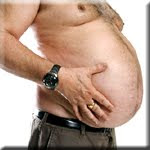 As Americans continue to fight a losing battle in the war against abdominal fat, newly emerging information from the Endocrine Society implicates high fructose corn syrup (HFCS) with the metabolic disorder which leads to diabetes and storage of fat around the waist. HFCS is found in virtually every processed food and drink available on grocery store shelves because it’s inexpensive to produce, and readily available due to government subsidies.
Extensive research reveals that HFCS is metabolized much differently than regular sugar by the body. Although HFCS contains about the same amount of calories as sugar, the calories don’t register as being consumed by the brain, causing you to eat more before you feel full. Additionally, HFCS consumed from an early age affects the immature fat cells, forcing higher numbers to become mature abdominal fat cells in adult life.
HFCS promotes belly fat from early childhood, a problem with significant health implications considering the massive amounts of sweetened, processed foods and soft drinks consumed by children and teens. This research underlines the critical importance of eliminating HFCS from our diet at an early age, allowing our metabolism to release stored fat and lose weight naturally. Follow these steps to flush HFCS from your diet.
Step 1: Eliminate Soft Drinks and Fruit Juices
 Americans consume nearly 45 pounds of HFCS every year, and one of the primary sources is sweetened beverages. Soft drinks and fruit juices contain between 150 and 200 calories per serving, and those calories don’t register as part of the total caloric intake for the day. This means that calories from HFCS sweetened drinks are much more likely to be stored directly as abdominal fat, making it very difficult to lose weight. Substitute water and tea which can be sweetened with the natural sweetener stevia, if necessary.
Step 2: Avoid Fast Foods and Processed Foods
Fast food is notorious for providing little nutritional value, and it’s loaded with HFCS in items you may not even suspect. In an effort to make their offerings more appealing to the taste buds, fast food makers pump high fructose corn syrup into shakes, salad dressings, chocolate milk, condiments, hamburger buns and even certain meats have been injected with the sweetener.
Virtually all processed and ined foods are laced with high amounts of the obesity sweetener. Read nutritional labels on all processed food items with a special eye on ketchup, pancake and cake mixes, luncheon meats and hot dogs. Substitute foods in their natural form which haven’t been created in a food manufacturing lab. Choose not to be a test subject in this very dangerous experiment.
Step 3: Choose 100% Organic Foods
Choose foods that remain in their most natural form which are typically found in the outer aisles in most food markets. When reading labels, look for ‘100% organic’, as this is your only guarantee no HFCS or other chemical contaminants have been added. Fill up on plenty of raw, leafy vegetables, nuts, seeds and unprocessed meats to avoid the temptation from HFCS laced foods. Be caul to limit fruit consumption, as fructose is fruit sugar, and in excess can cause many of the same problems as its processed twin.
High fructose corn syrup is a metabolically active, unnatural sweetener which has been shown to alter the normal distribution of fat in the body. Humans didn’t evolve to process calories from HFCS, as it has only been in the food supply for the last 40 years. Help children and your family develop a healthy diet which is free of HFCS by reading all food labels and avoiding fast and processed foods, sugary drinks and fruit juices. Weight loss will be a welcome side effect as belly fat is naturally released and health is rapidly restored.
Extensive research reveals that HFCS is metabolized much differently than regular sugar by the body. Although HFCS contains about the same amount of calories as sugar, the calories don’t register as being consumed by the brain, causing you to eat more before you feel full. Additionally, HFCS consumed from an early age affects the immature fat cells, forcing higher numbers to become mature abdominal fat cells in adult life.
HFCS promotes belly fat from early childhood, a problem with significant health implications considering the massive amounts of sweetened, processed foods and soft drinks consumed by children and teens. This research underlines the critical importance of eliminating HFCS from our diet at an early age, allowing our metabolism to release stored fat and lose weight naturally. Follow these steps to flush HFCS from your diet.
Step 1: Eliminate Soft Drinks and Fruit Juices
Step 2: Avoid Fast Foods and Processed Foods
Fast food is notorious for providing little nutritional value, and it’s loaded with HFCS in items you may not even suspect. In an effort to make their offerings more appealing to the taste buds, fast food makers pump high fructose corn syrup into shakes, salad dressings, chocolate milk, condiments, hamburger buns and even certain meats have been injected with the sweetener.
Virtually all processed and ined foods are laced with high amounts of the obesity sweetener. Read nutritional labels on all processed food items with a special eye on ketchup, pancake and cake mixes, luncheon meats and hot dogs. Substitute foods in their natural form which haven’t been created in a food manufacturing lab. Choose not to be a test subject in this very dangerous experiment.
Step 3: Choose 100% Organic Foods
Choose foods that remain in their most natural form which are typically found in the outer aisles in most food markets. When reading labels, look for ‘100% organic’, as this is your only guarantee no HFCS or other chemical contaminants have been added. Fill up on plenty of raw, leafy vegetables, nuts, seeds and unprocessed meats to avoid the temptation from HFCS laced foods. Be caul to limit fruit consumption, as fructose is fruit sugar, and in excess can cause many of the same problems as its processed twin.
High fructose corn syrup is a metabolically active, unnatural sweetener which has been shown to alter the normal distribution of fat in the body. Humans didn’t evolve to process calories from HFCS, as it has only been in the food supply for the last 40 years. Help children and your family develop a healthy diet which is free of HFCS by reading all food labels and avoiding fast and processed foods, sugary drinks and fruit juices. Weight loss will be a welcome side effect as belly fat is naturally released and health is rapidly restored.
Top Weight Loss Myths
Sunday, May 4, 2014
(Article first published as Top Fitness Myths That Prevent Weight Loss on Technorati.)

25% of Americans Are Now Obese
The fact that one quarter of all Americans are now obese is a staggering number, with dire health consequences for the next decade and beyond. Information published in The New York Times indicates that nearly 2.5 million more people fell into the obese category in the past two years, making this the largest and quickest increase on record.
Lack of Physical Activity to Blame

Myth 1: Running is Better Than Walking
The fact is that a runner and a walker covering the same distance will burn about the same number of calories. The important thing to keep in mind is that you get out and move your body. Weight reduction is not a race, and losing weight at a slow pace (no more than 1 to 2 pounds per week) is the best way to allow your body to easily adjust, preventing your metabolism from stalling in an attempt to preserve body mass.
Myth 2: Exercising More Leads to Eating More
Research shows that exercise has no effect on a person’s hunger. Further, exercise has been shown to suppress appetite both during and after a workout. The problem is that many people let their mind take control, compelling them to eat more because they believe they need the extra calories to compensate for the activity. Use mind over matter to avoid taking in too many calories after a workout.
Myth 3: All Calories Are Created Equal

Carbohydrates, and especially ined carbs from sugary junk foods are broken down immediately, used for energy and the balance is converted to fat and stored on the hips and abdomen. Always include healthy protein from nuts, seeds, whey or lean meats after your workout to assist muscle building and avoid excess fat storage.
There appears to be no end in sight to our obesity epidemic, as more Americans join the ranks and threaten their health and longevity. Physical fitness is an essential tool which can assist weight loss and reduce the risk of many diseases. Fitness myths abound which will derail your from the true benefits of exercise, and can help you to reach your weight goal quickly and efficiently.
Eliminate Junk Food to Assist Weight Loss
Saturday, May 3, 2014
(Article first published as Cut Junk Food Diet to Fuel Weight Loss Efforts on Technorati.)
 Our diet has changed significantly over the past half century as the main staples of our diet have quickly shifted from health promoting vegetables and foods eaten in their natural form toward a wide variety of processed foods impregnated with chemicals and created in a food laboratory. Most people eat a diet which consists almost exclusively of ined foods which are nutritionally deficient and packed with sugar, fructose and deadly trans fats which are known to contribute to excess weight.
 Junk food has become so prevalent in our diet that the baby carrot industry has begun to package and market their product as junk food in an attempt to increase market share. The industry is spending 25 million dollars to transform their image to a market which thrives on junk food and buys snacks and entire meals from a vending machine.
 Vegetables are packed with vital nutrients which are known to influence our cells on a genetic level to reduce the risk from many diseases while promoting natural weight loss. Junk food has the opposite effect as the synthetic chemicals which have been used to manufacture these foods are released into the body creating a toxic overload every time you eat.
Packaging Carrots as Junk Food
The industry is packaging baby carrots with artificial preservatives and other unnatural chemical enhancements so they can be sold in school vending machines. While nutritional information is not yet available for prepackaged carrots, calories and nutritional content will likely be similar to eating a candy bar with the same devastating effect on health and body weight.
Healthy Vegetable Consumption Flat the Past Decade
It’s no secret that a diet high in fresh vegetables and leafy greens promotes good health and assists in weight loss. The anemic and outdated USDA food pyramid recommends that we eat at least 5 servings of fruits and vegetables each day, and many nutrition and weight loss experts say those numbers should be doubled. In addition to providing a wide variety of essential vitamins, minerals and antioxidants, vegetables fill you up quickly with plenty of fiber and minimal calories.
According to the results of a comprehensive nationwide behavioral study issued by the Centers for Disease Control and Prevention on vegetable and fruit consumption over the past decade, only 26% of adults ate vegetables three or more times per day. The number had not changed over the past ten years, indicating the marketing efforts of the CDC were ineffective compared to the billions spent by fast food and processed junk food companies to promote their unhealthy fare.
Including Vegetables and Natural Foods to Promote Weight Loss
Chemicals in processed foods are broken down by the body and must be stored in our body fat to prevent the risk of immediate disease. Over the course of many years these chemicals accumulate to dangerous levels and can initiate an array of potentially deadly conditions including heart disease, diabetes and cancer. Chemical overload from excessive junk food consumption also provokes metabolic dysfunction leading to uncontrollable blood sugar levels, insulin resistance and weight gain.
Packaged food represents a significant health hazard to the millions of unsuspecting consumers who eat these foods several times each day. They are a significant factor in the explosion of cardiovascular disease, metabolic disorder and obesity. Plan your menu to include at least ten servings of fresh vegetables and healthy greens daily, while minimizing or eliminating processed foods, sugar and ined carbs from your diet. Natural weight loss, optimal health and longevity will be your reward.
This Best Worst Drinks He to Lose Weight
Thursday, May 1, 2014
When trying to lose weight, most people only pay attention to the food consumed. In fact, the drinks you drink also affect weight.
Drinks were also influential in reducing weight by increasing metabolism, control appetite and reduce calorie intake.
Here are some of the best and worst beverages for weight loss, as quoted from Onlymyhealth:
Best drinks
1. Green tea
This is the best drink for people who can not do without caffeine every day. Some compounds found in green tea causes weight loss. Green tea has a beneficial effect on your metabolism which helps in absorbing fat from the body. Drink green tea twice a day.
2. Vegetable juice
Pennsylvania State University conducted a study on the effects of vegetable juice on ones caloric intake. Found that a glass of vegetable juice before meals will help to eat 135 fewer calories.
3. Coconut water
It is so good to speed up metabolism and provide energy that can be used in the exercise to burn calories. Coconut water contains many electrolytes that increase the rate of metabolism. Make sure you avoid additional flavoring and sugar.
4. Yoghurt
If you put a lot of yogurt in smoothies, calcium contained in it helps to burn body fat and abdominal fat in particular. These are the findings of a study conducted by the University of Tennessee. Greek yogurt is a healthy choice to make weight loss.
5. Fruit juice
Fruit juices can not help to reduce calorie intake so much, but nutrients such as vitamins and anti oxide contained in fruit juice makes it a good choice, especially as a replacement for sugary soda.
Worst drinks
1. Soda
Soda has a lot of empty calories you do not need. Even diet soda does not help in weight loss, the effect is only temporary.
2. Energy drinks
Energy drinks used by athletes also full of calories. Added nutrients in it are available in other low-carb drinks.
3. Fancy coffee
Coffee with a little sugar and skim milk may not be so bad but that added to the whipped cream, ice cream and lots of sugar gives you more calories.
4. Beer
One glass of beer contains about 150 calories and usually people drink more than 2 servings. This is not good for you who want to lose weight.
5. Full cream milk
This drink is not a healthy choice for you. Cream contains a lot of calories that hinder weight loss.
Drinks were also influential in reducing weight by increasing metabolism, control appetite and reduce calorie intake.
Here are some of the best and worst beverages for weight loss, as quoted from Onlymyhealth:
Best drinks
1. Green tea
This is the best drink for people who can not do without caffeine every day. Some compounds found in green tea causes weight loss. Green tea has a beneficial effect on your metabolism which helps in absorbing fat from the body. Drink green tea twice a day.
2. Vegetable juice
Pennsylvania State University conducted a study on the effects of vegetable juice on ones caloric intake. Found that a glass of vegetable juice before meals will help to eat 135 fewer calories.
3. Coconut water
It is so good to speed up metabolism and provide energy that can be used in the exercise to burn calories. Coconut water contains many electrolytes that increase the rate of metabolism. Make sure you avoid additional flavoring and sugar.
4. Yoghurt
If you put a lot of yogurt in smoothies, calcium contained in it helps to burn body fat and abdominal fat in particular. These are the findings of a study conducted by the University of Tennessee. Greek yogurt is a healthy choice to make weight loss.
5. Fruit juice
Fruit juices can not help to reduce calorie intake so much, but nutrients such as vitamins and anti oxide contained in fruit juice makes it a good choice, especially as a replacement for sugary soda.
Worst drinks
1. Soda
Soda has a lot of empty calories you do not need. Even diet soda does not help in weight loss, the effect is only temporary.
2. Energy drinks
Energy drinks used by athletes also full of calories. Added nutrients in it are available in other low-carb drinks.
3. Fancy coffee
Coffee with a little sugar and skim milk may not be so bad but that added to the whipped cream, ice cream and lots of sugar gives you more calories.
4. Beer
One glass of beer contains about 150 calories and usually people drink more than 2 servings. This is not good for you who want to lose weight.
5. Full cream milk
This drink is not a healthy choice for you. Cream contains a lot of calories that hinder weight loss.
Weight at time of diagnosis linked to prostate cancer mortality
Monday, April 28, 2014
Men who are overweight or obese when they are diagnosed with prostate cancer are more likely to die from the disease than men who are of healthy weight, according to a Kaiser Permanente study published today in the journal Obesity Research & Clinical Practice. In patients with more aggressive forms of prostate cancer, the researchers also found an even stronger correlation between obesity and mortality.
This study included 751 Kaiser Permanente patients with prostate cancer who underwent radical prostatectomy, an operation that includes removal of the prostate and surrounding tissue. The researchers explored the association between the patients body mass index and prostate cancer mortality, adjusted for tumor aggressiveness and other characteristics.
The researchers found men who died from prostate cancer were 50 percent more likely to be overweight or obese at diagnosis compared to men who did not die from the disease. Men with high Gleason scores, a rating of the aggressiveness of prostate cancer cells, had the highest association between BMI and death, specifically men with Gleason scores of 8 or higher. The Gleason score ranges from 2 to 10, with the highest number representing the greatest likelihood of tumor cells spreading.
"We found among patients undergoing surgical treatment for prostate cancer, weight at time of diagnosis is more strongly correlated with prostate cancer survival than many other factors researchers have studied in the past, including some prostate cancer treatments," said lead author Reina Haque, PhD, a researcher at Kaiser Permanente Southern Californias Department of Research & Evaluation in Pasadena, Calif. "Moving forward, we are hoping future studies will examine the effect of weight loss and other lifestyle modifications on prostate cancer mortality."
Additional studies are needed to determine which lifestyle modifications, such as diet or exercise, could prolong a prostate cancer patients life. Further investigation also is needed to determine if the findings of this study, which looked at men who had prostate cancer surgery, apply to men who received other treatments such as radiation or hormone therapy.
Although the connection between mens weight at prostate cancer diagnosis and likelihood of survival has been examined, many previous studies were limited by self-reported body weight data or it was unclear when the BMI data were obtained. So the link between obesity and prostate cancer mortality remains controversial. However, the methodology of this study was different because the researchers used BMI collected from medical records, instead of self-reported data. The researchers identified men who died of prostate cancer and compared their BMI at time of diagnosis to controls to determine if body weight is related prostate cancer death. The biological relationship between obesity and prostate cancer prognosis is still not understood, and is an active area of research.
5 How to control your weight without dieting
Sunday, April 27, 2014
5 How to control your weight without dieting - Diet is not the only way to control weight. There are more effective ways, namely by adjusting your mindset about food itself. However, you will encounter many challenges when you have to be in a banquet serving a variety of dishes. Heres how to manage your diet to keep it controlled, as reported Boldsky.
1. Do not eat until you are full
Avoid eating to satiety. Stop when you feel full up to 80 percent. If not, you will eat to excess and make a disturbed metabolism.
2. Eating healthy foods
Healthy foods can give you energy and protein. Theore, multiply eat healthy foods to keep your body fit.
3. changing perspective
To run a healthy lifestyle such as this, the first thing you have to change is your perspective. Which is healthy and what is unhealthy. Which one should eat or not eat.
4. Overeat when sad
Stop eating certain foods to excess when youre sad. Its a bad habit that many women often do when they are feeling emotionally. Remember, stop doing it if you want to control your weight.
5. Know your actual hunger
Remember, hunger coming from your stomach and not of eyes and your head. With a hunger to know the truth, you can eat wisely and not just by mere lust.
Heres five ways to control weight without dieting. By controlling the mind, you can easily control what goes into your mouth.
1. Do not eat until you are full
Avoid eating to satiety. Stop when you feel full up to 80 percent. If not, you will eat to excess and make a disturbed metabolism.
2. Eating healthy foods
Healthy foods can give you energy and protein. Theore, multiply eat healthy foods to keep your body fit.
3. changing perspective
To run a healthy lifestyle such as this, the first thing you have to change is your perspective. Which is healthy and what is unhealthy. Which one should eat or not eat.
4. Overeat when sad
Stop eating certain foods to excess when youre sad. Its a bad habit that many women often do when they are feeling emotionally. Remember, stop doing it if you want to control your weight.
5. Know your actual hunger
Remember, hunger coming from your stomach and not of eyes and your head. With a hunger to know the truth, you can eat wisely and not just by mere lust.
Heres five ways to control weight without dieting. By controlling the mind, you can easily control what goes into your mouth.
Talk about a healthy weight loss diet to help your child
Talk about a healthy weight loss diet to help your child - Childs behavior is strongly influenced indirectly by parents and neighborhood. A study showed that the family had never discussed the weight loss, diet, or healthy lifestyles often have children who are not sensitive to their own health.
Conversely, children who often heard her parents talk about weight, health, or diet, diet easier start and maintain their own body weight, as reported by Reuters. These results were found after researchers surveyed 2,800 adolescents and their parents.
"It is important to conduct discussions or talks with child-focused health or healthy foods to maintain a healthy body and bones. Do not see it by focusing on body size or physical appearance," said Jeriga Berge, lead researcher from the University of Minnesota Medical School in Minneapolis .
Previous research has shown that talking about weight or weight problems ridiculed by parents will hurt children and adolescents. But it depends on how well the parents expressed their intent in children.
Researchers stressed that parents should focus on weight loss related to health. Losing weight should be seen as an attempt to nourish the body, not to look slim or beautiful. It is known to be more successful to make teens start dieting and keeping their food.
Conversely, children who often heard her parents talk about weight, health, or diet, diet easier start and maintain their own body weight, as reported by Reuters. These results were found after researchers surveyed 2,800 adolescents and their parents.
"It is important to conduct discussions or talks with child-focused health or healthy foods to maintain a healthy body and bones. Do not see it by focusing on body size or physical appearance," said Jeriga Berge, lead researcher from the University of Minnesota Medical School in Minneapolis .
Previous research has shown that talking about weight or weight problems ridiculed by parents will hurt children and adolescents. But it depends on how well the parents expressed their intent in children.
Researchers stressed that parents should focus on weight loss related to health. Losing weight should be seen as an attempt to nourish the body, not to look slim or beautiful. It is known to be more successful to make teens start dieting and keeping their food.
Is Diet or Exercise Best for Weight Loss
Friday, April 25, 2014
(Article first published as Your Best Weight Loss Strategy: Diet or Exercise? on Technorati.)
 We’ve been conditioned over the years to believe that the best way to lose weight is to sweat it off with rigorous exercise at the gym, and be mindful of what we eat. If that were entirely correct, we wouldn’t be tipping the scales of obesity as 45 million people spend more than $19 billion annually on gym memberships, a number that’s doubled over the past 20 years. The problem lies with the fact that human metabolism is highly efficient, and any excess calories are immediately stored as fat.
 Despite our best intentions, we eat far more calories than we need at any given time to fuel our muscles and cells. Exercise does burn additional calories, but for many people it pales in comparison to the quantity of food they consume. As you exercise, your body sends the signal to eat more so you’ll have enough energy reserved for the next workout. Your next meal or high carb snack will be larger than necessary to compensate, and the excess calories are efficiently stored for future use.
 The best strategy to drop weight is to eat a calorie restricted diet with 25% fewer calories than you presently consume each day. For many, this type of restriction will seem severe, so you’ll need to slowly work up to that level by eliminating 100 calories each day for a week. The next week, cut out another 100 calories until you hit the 25% reduction level. Most moderately active women should eat 1200 to 1500 calories per day, and men should target 1500 to 1800 calories to see significant weight loss results.
More Exercise Leads to More Eating
Exercise is Not an Efficient Weight Loss Tool
Research generated by the Mayo Clinic and reported in Time Magazine concludes that exercise is a very inefficient way to drop excess pounds. Researchers found that intense exercise may actually cause weight gain, as test participants consumed more calories after exercise than they burned, resulting in leftover calories which the body typically stores as abdominal fat. It’s important to understand that exercise is still an essential part of human health, but should not be your primary weight loss tool.
Calorie Restricted Diet Delivers Weight Loss Results
Exercise is Still Important
Regular physical activity is still vitally important, as multiple studies confirm that those who sit for 8 hours a day are most likely to develop heart disease, diabetes, cancer and die early from any cause. Stay active, and if you have a desk job that requires you to sit for long periods, get up and move around at least once every half hour. Establish a set amount of time for exercise into your daily schedule, at least 30 minutes on most days. Walking is a great activity which keeps your heart pumping and your muscles moving, but don’t plan to eat more afterward to compensate.
People begin exercising or sign up for a gym membership as a way to burn off excess fat, and subconsciously believe this will allow them to continue eating more calories than they need. For most individuals, the calories burned through moderate exercise don’t compensate for the super sized appetites experienced after a workout. While regular physical activity and stress reduction are required for optimal health, calorie restriction is by far the most effective weight loss tool.
Subscribe to:
Posts (Atom)


